Humpback Whales In Geographe Bay: Why They Stop Here
Humpbacks are the whales Dunsborough whale watching is really built around. Here is what the operators and the official sources say they do in the bay, month by month, and what that means for the cruise you are weighing up.
Short answer
Operators describe humpback whales in Geographe Bay from about mid-August or September to the end of November, with mothers and calves resting in the bay on the southward return. Dunsborough cruises run roughly August to November. The featured Dunsborough Whale Watching Tour With Naturaliste Charters lists AUD 71 per person, rated 4.7 across 137 reviews.
Every year, between late winter and early summer, Geographe Bay turns into one of Western Australia's most reliable stretches of water for seeing humpback whales from a boat. The town of Dunsborough sits right on the bay, and two licensed charter operators run cruises out of it through the southern migration. This guide lays out what the operators, the state government and the marine habitat research actually say about the humpbacks here: when they arrive, what they are doing in the bay, how close the boats may legally come, and how to work out whether a cruise fits your trip.
A note on sourcing before anything else. Everything factual below comes from the operators' own pages, the WA biodiversity conservation regulations, the Department of Biodiversity, Conservation and Attractions, and the International Marine Mammal Habitat factsheet for this coast. Where something is not stated by any of those sources, it says so once, plainly, and moves on. Whale watching copy on the internet is full of invented numbers, and this page does not add to them.
When Do Humpback Whales Arrive In Geographe Bay?
The operators place humpback whales in Geographe Bay from about mid-August or September through to the end of November, with mothers and calves resting in the bay on the southward return leg of the migration. Dunsborough cruises run roughly August to the end of November, and the DBCA notes that humpbacks begin their southern migration along this coast. The safe overall frame is late winter to early summer, peak spring.
The two Dunsborough operators word their seasons slightly differently, and the difference is worth understanding rather than papering over. Naturaliste Charters runs its Dunsborough season from August to November, with its FAQ narrowing that to mid-August to the end of November, and departures daily at 10am and 2pm. All Sea Charters says mid-August to early December, with the same page describing a main window of September to early November for its Dunsborough trip. None of that is a contradiction, it is two operators describing the same drift of whales with different edge dates.
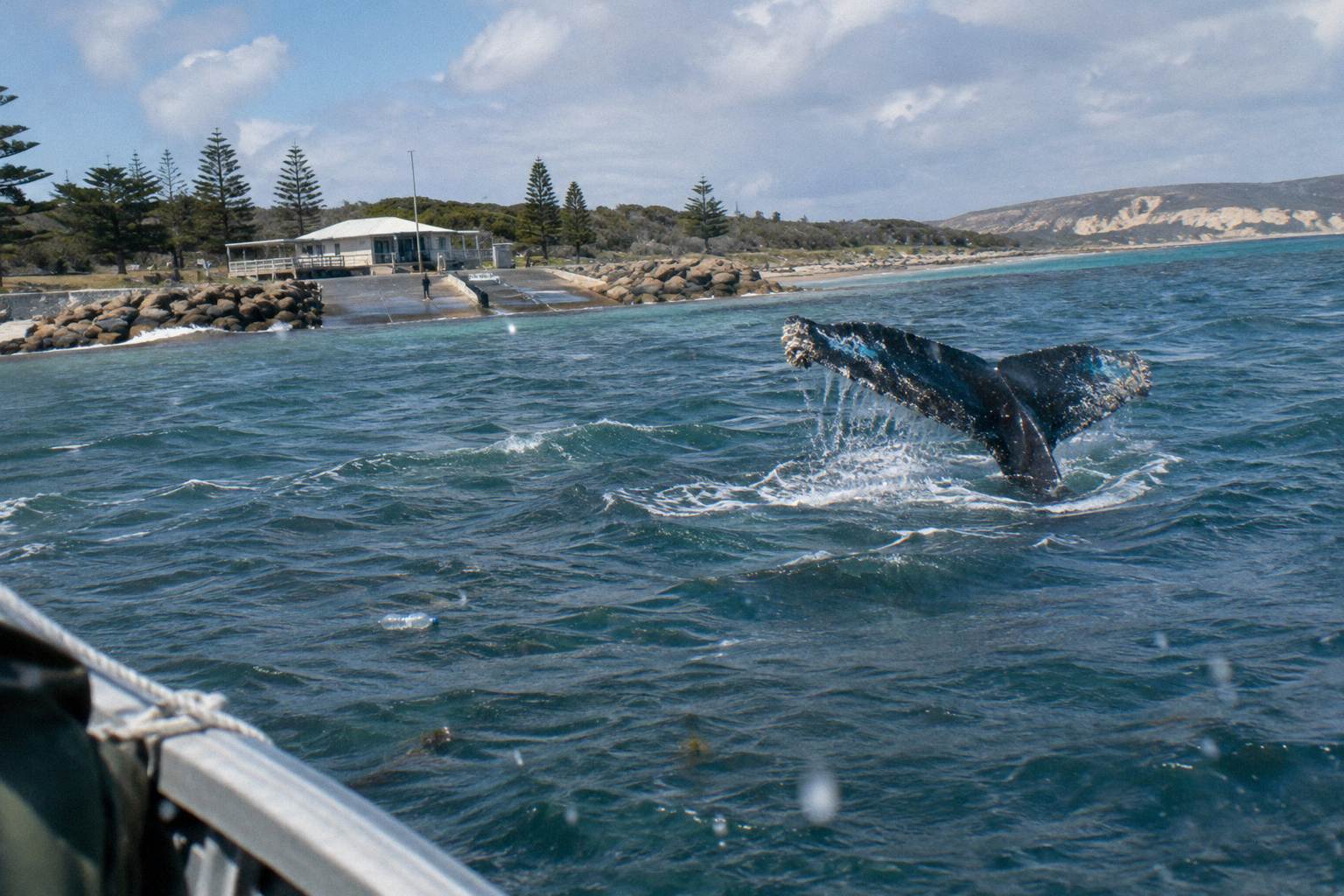
What both agree on, and what the DBCA's own whale watching advice supports, is the shape of the story. The humpbacks moving through Geographe Bay are heading south, back toward Antarctic feeding grounds, and the bay functions as a pause on that journey. The detail that matters most to a visitor: operators specifically describe mothers and calves resting in the bay on the southward return. That is the period many travellers are hoping to hit, and it sits inside the same August to November window the cruises run in.
Because a season framed this way is a moving thing, the month-by-month picture is worth reading in full before you pick dates. The site's Geographe Bay whale season month by month guide breaks the whole calendar down, including the shoulder months where the operator wordings diverge. And if you are weighing an Augusta trip against Dunsborough, the Augusta season runs May to August, so the two towns cover different halves of the year, which the Dunsborough or Augusta comparison covers in detail.
Why Do Humpbacks Stop In Geographe Bay At All?
Geographe Bay is a sheltered north-facing bay on the humpbacks' southern migration route, and the operators describe mothers and calves using it as a resting place on the southward return rather than simply passing it by. The DBCA notes that humpbacks begin their southern migration along this coast, and the bay's protected waters are what make the resting behaviour possible. No source here states a count, a speed or a route detail, so none is printed.
The honest version of this answer is shorter on anatomy and longer on geography. Cape Naturaliste shelters the bay from the prevailing conditions, and a north-facing shore on a southward migration means the whales moving down the west coast find calm water on their left. The operators' own framing, that mothers and calves rest here on the return leg, is the practical payoff: a whale that is resting in a bay, rather than transit-feeding past a headland, is a whale a cruise can spend time with. The International Marine Mammal Habitat factsheet for the Geographe Bay and Eucla Shelf coastal waters describes the area as an important marine mammal area, which is the scientific footing under what the tour boats sell.
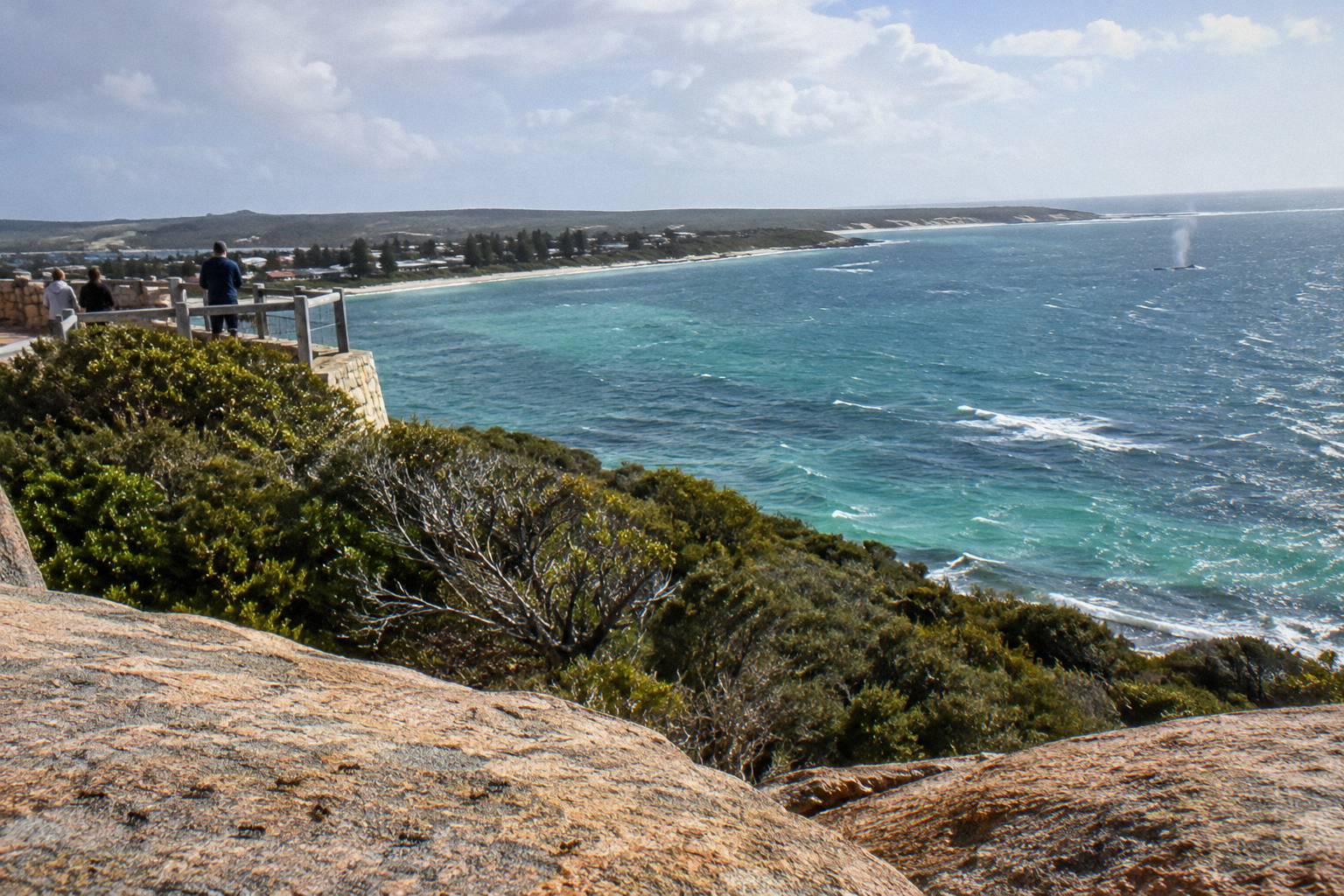
This resting behaviour is also why the question "will I see one?" has a different character here than on an exposed stretch of open coast. A full treatment of sighting expectations, and how to read an operator's no-sighting policy, is in the site's whale sighting guarantee and what it covers guide. What this page will say is only what the sources say: whales are described in the bay across the season, and neither operator prints a sighting figure that this site is permitted to repeat.
Deciding whether to get on the water is the natural next step, and there are three ways to do it from this coast:
- All Sea Charters Whale Watching
- Naturaliste Charters 2.5-Hour Cruise
- 3.5-Hour Eco Trip With Pickup
- Augusta 2-Hour Whale Watching
- Snorkel And Eco Cruise
The featured option, the Dunsborough Whale Watching Tour With Naturaliste Charters, departs from the Quindalup ramp east of town and runs about 2 hours with the operator saying to allow up to 3 depending on wildlife sightings. You can check availability on the tour page or read on for how the options differ.
Which Whales Will You Actually See From A Dunsborough Cruise?
Humpbacks and southern right whales are the species the operators name in the bay from mid-August or September to November, with blue whales passing through in spring, mostly October to December, and minke whales a chance in October and November. Southern rights breed and nurse in sheltered south coast waters including Geographe Bay, per the IMMA factsheet. No source gives relative odds between species, so none is invented here.
The humpback is the backbone of the season, but it is not alone, and the supporting cast changes through the spring. Blue whales are the genuinely notable second act: Naturaliste Charters names them from October onwards, All Sea Charters calls them occasional, and the IMMA factsheet says large numbers of pygmy blue whales with calves use Geographe Bay and the Naturaliste Plateau as a narrow transit corridor, listing the eastern Indian Ocean population estimate at 662 to 1,559 animals (McCauley and Jenner 2010) and the species as Endangered. A 2014 SouWEST and IFAW research report recorded blue whale song and sightings in Geographe Bay during November surveys. That is real research weight behind what the tour boats advertise, and the site keeps a dedicated page on blue whales off the Naturaliste canyon.
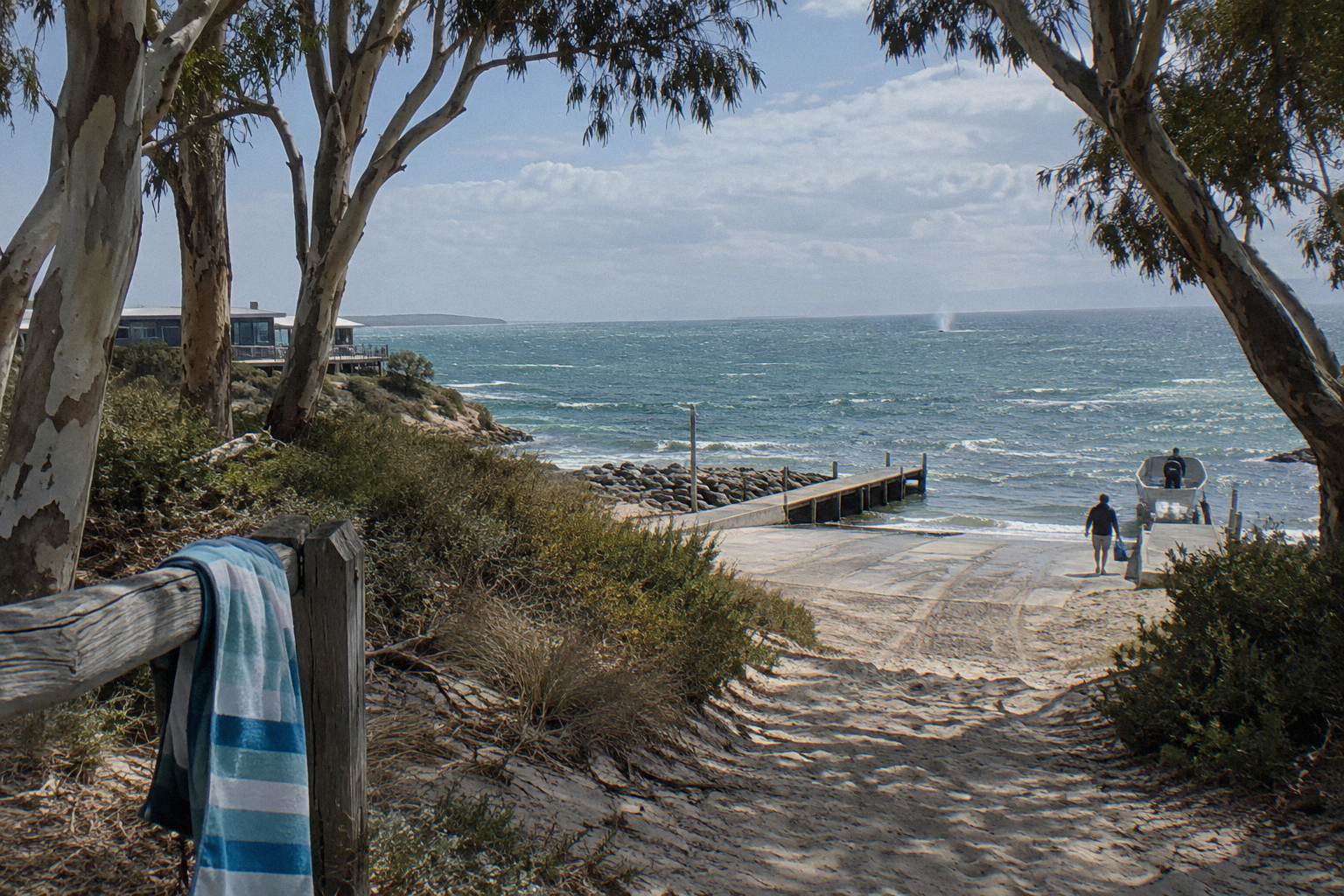
Telling the species apart is its own skill, and the site has a full guide on how to tell humpback, southern right and blue whales apart. The short version a cruise passenger needs: what you are watching for is different enough that a half hour on that page changes what you notice on the water. This page deliberately prints no size, colour or behaviour descriptions, because the verified sources here do not state them.
Here is what each operator says about the whales, by month window and departure town, in their own published terms:
| Operator | Departure town | Stated season window | Whales named |
|---|---|---|---|
| Naturaliste Charters | Dunsborough, Quindalup ramp | August to November, mid-August to end of November on its FAQ | Humpback, southern right, blue from October, minke October and November as chance encounters, dolphins often at the bow wave |
| All Sea Charters | Dunsborough, Geographe Bay Road | Mid-August to early December, main window September to early November | Humpback and southern right, blue occasionally |
| All Sea Charters | Augusta, Augusta Boat Harbour | May to mid-August | Southern right and humpback |
| Naturaliste Charters | Augusta, Augusta Boat Harbour | Augusta season, see operator | Humpback and southern right |
One thing to flag once, plainly: which of All Sea Charters' departure options carries the hotel pickup listed on its booking page is not stated, so ask the operator directly when you book. The other missing detail on that operator's side is a published cancellation policy for its direct bookings, which was not found on its own pages; the booking page for the tour does show free cancellation up to 24 hours, which is the figure this site prints.
If humpbacks resting in the bay are what you have come for, the cruise decision comes down to timing and format:
How Close Can Whale Cruise Boats Legally Get To Humpbacks?
Under WA's Biodiversity Conservation Regulations 2018, a whale cruise boat must keep at least 300 m from a humpback when positioned within a 60 degree arc to its front or rear, and at least 100 m when alongside it. Coming closer is an offence carrying a AUD 5,000 fine, and if a humpback approaches inside these distances, the vessel must go to neutral or move off at no more than 6 knots.
Those figures come from Schedule 5 of the regulations and regulations 110 to 114, and they apply to everyone on this water, licensed charter or private tinny. The legislation's official text is public, and the DBCA's whale watching advice adds the practical rules: approach from the side only, and abandon an interaction at any sign of distress.
Two consequences of this law matter to a reader choosing a cruise. First, whales do sometimes come to the boat on their own terms, and when one does, regulation 114 requires the crew to cut power or ease away rather than chase the encounter. A curious humpback alongside a stationary vessel is a legal, operator-managed event, and the site's guide on whether whales come close to the boat in Geographe Bay covers what that actually looks like from a passenger's seat.
Second, no tour on this coast offers swimming with whales, and none legally could. DBCA is explicit: under State legislation it is illegal for individuals to swim within 100 m of a whale, and licensed in-water humpback interactions happen only in Ningaloo Marine Park State waters and the Muiron Islands Marine Management Area, under the licence exemption in regulation 112. If a "swim with whales" product ever surfaces in a Dunsborough search result, it is not what it claims. The site's piece on whether you can swim with humpback whales in Western Australia untangles that fully.
What Each Dunsborough Cruise Option Offers And Costs
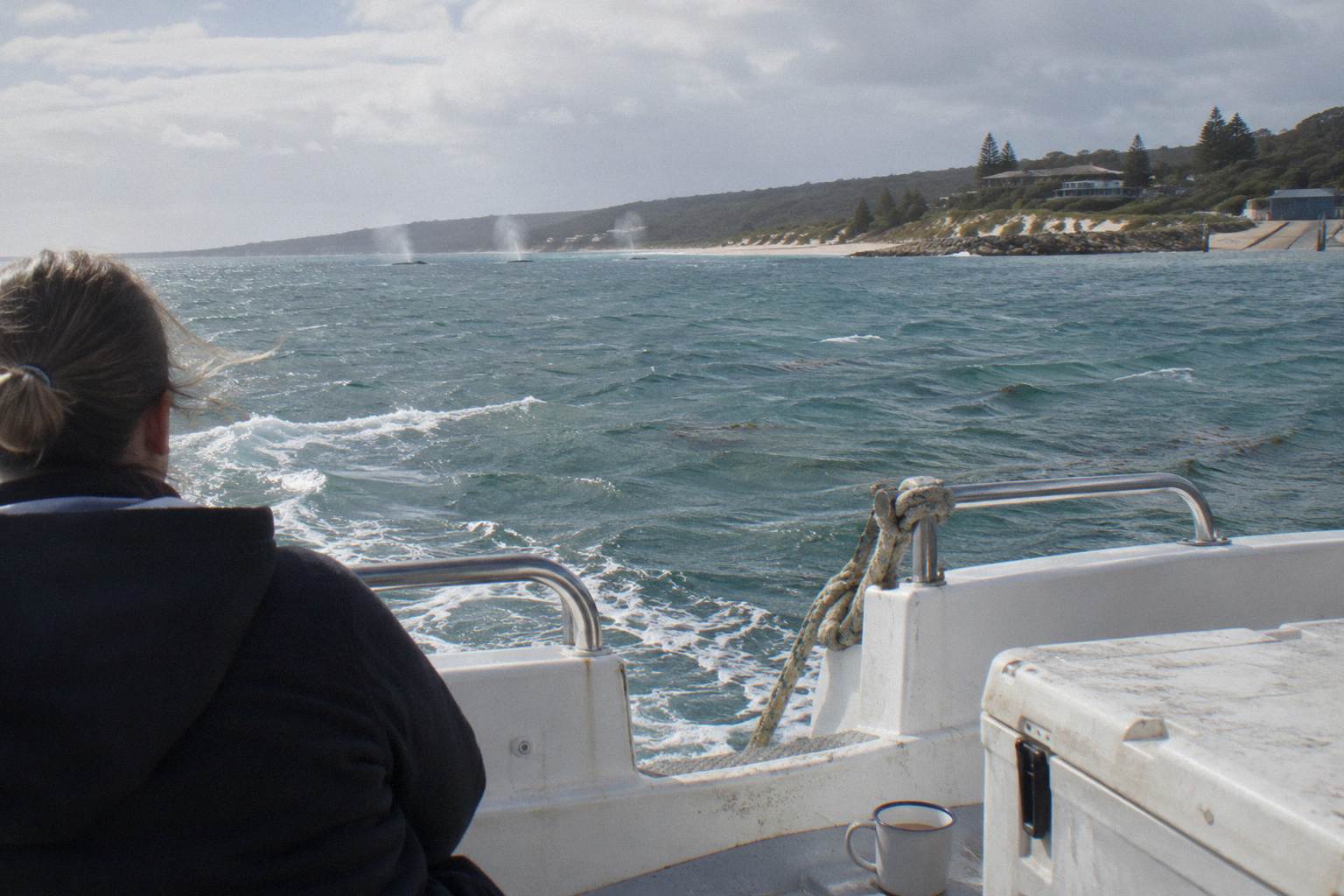
The Dunsborough Whale Watching Tour With Naturaliste Charters is rated 4.7 across 137 reviews and shows AUD 71 per person on its booking page, listed at 2.5 hours with free cancellation up to 24 hours. The All Sea Charters cruise is rated 4.8 across 438 reviews, runs 2 to 2.5 hours with the price on the booking page, and offers Busselton, Augusta or Dunsborough departure options. Prices can change, so treat the booking page as current.
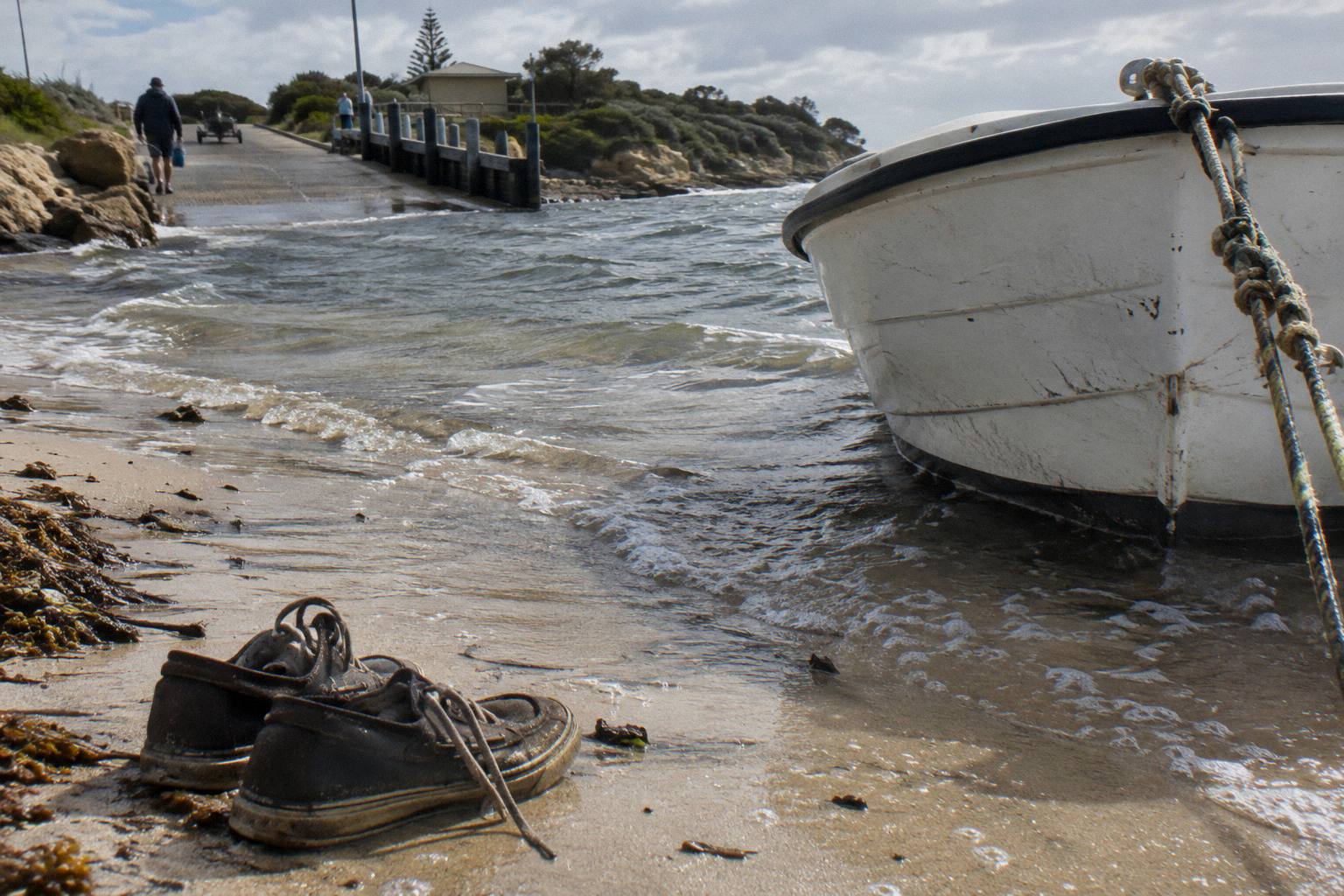
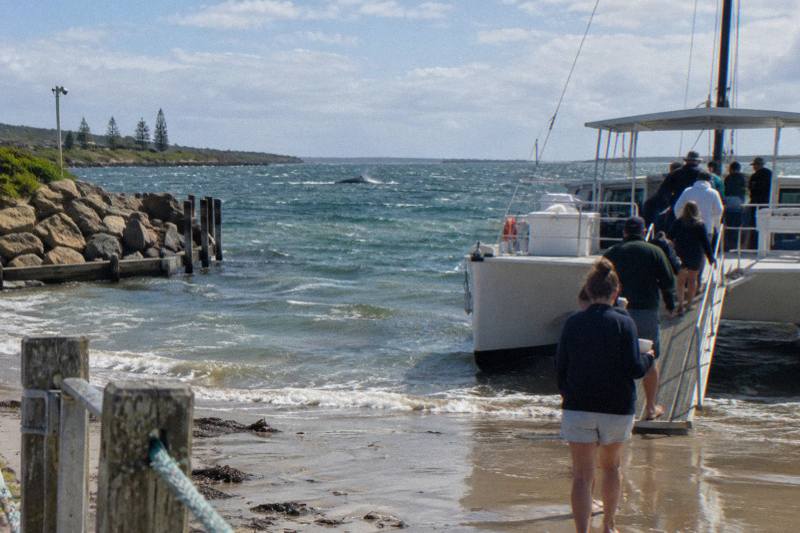
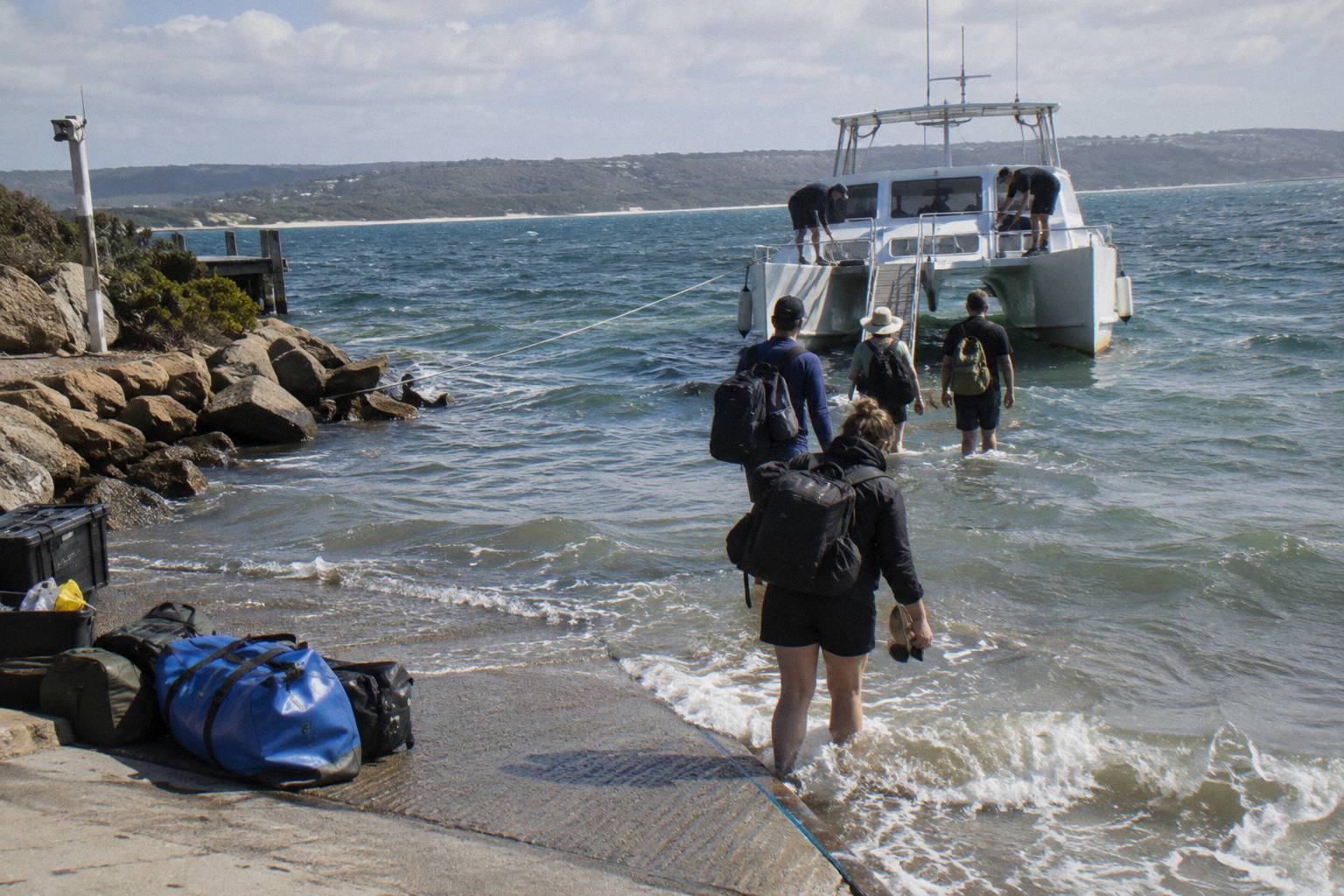
Those are the only printable figures for the two Dunsborough cruises, and they belong to their booking pages rather than to any operator's own fare list. The Naturaliste trip departs the Professional Fisherman's Boat Ramp opposite 306 Geographe Bay Road in Quindalup, roughly 5 km east of Dunsborough town, and boarding is from the beach: guests walk a handrailed ramp onto the Indi Maree and transfer to the larger Alison Maree, a 23 m catamaran. The booking page notes the tour is not suitable for mobility impairments. The All Sea Charters trip runs on the Whale Song, a 17 m aluminium catamaran with a climate-controlled cabin, two outside decks and an accessible toilet, departing from Geographe Bay Road, Dunsborough, with exact ramp and clock times not published on the operator's page.
Here is the full roster this site covers, stated plainly, ratings always beside their review counts:
| Tour | Rating and count | Price | Duration | Cancellation |
|---|---|---|---|---|
| Dunsborough Whale Watching Tour With Naturaliste Charters | 4.7 across 137 reviews | AUD 71 on the booking page | 2.5 hours listed | Free up to 24 hours on the booking page |
| All Sea Charters Whale Watching From Busselton, Augusta And Dunsborough | 4.8 across 438 reviews | Shown on the booking page | 2 to 2.5 hours listed | Free up to 24 hours on the booking page |
| Augusta Whale Watching Tour With Naturaliste Charters | 3.9 across 14 reviews | AUD 71 on the booking page | 2 hours listed | Free up to 24 hours on the booking page |
| Geographe Bay Eco And Snorkel Trip | Reviews on the listing | Shown on the booking page | 2 hours listed | Free up to 24 hours, minimum age 6 |
| Coastal Wildlife Eco Tour | Reviews on the listing | Shown on the booking page | 3.5 hours listed | Free up to 24 hours, pickup included |
The two non-cruise options at the bottom of that table earn their place on this site because not every reader wants a boat. The Geographe Bay Eco And Snorkel Trip is an eco boat trip with optional snorkel rather than a whale cruise, minimum age 6:
If you would rather stay ashore altogether, the Coastal Wildlife Eco Tour is a land-based coastal walk and drive with pickup included, 3.5 hours listed:
And if your dates fall outside the Dunsborough window, the Augusta Whale Watching Tour With Naturaliste Charters covers the May to mid-August half of the year from Augusta Boat Harbour:
A full cost breakdown, including what sits around the ticket such as transport and food, is in the site's guide on what a whale cruise costs from Dunsborough.
Is A Humpback Cruise Worth It For Your Travel Style?
A whale cruise suits you if the resting humpbacks and spring timing match your dates, if two to three hours on the water sounds good rather than gruelling, and if beach boarding or a catamaran cabin fits whoever is travelling with you. It suits you less if your trip falls outside August to November, if seasickness is a serious risk, or if small children or limited mobility make a boat day harder than a shore day.
This is decision logic, not fact, and it is where a thin-facts page earns its length honestly. Start with your dates, because nothing else matters if the whales are not in the bay. Travelling between mid-August and November puts you inside the Dunsborough window; travelling May to August points you at Augusta instead; travelling in the WA summer means the next season, and this site deliberately frames the season by month rather than as "on now". The month-by-month guide carries that calendar in full.
Next, match the format to your group. Families should read the site's guide to a whale cruise with kids from Dunsborough; Naturaliste's trip is open to all ages per the operator, while the eco snorkel trip carries a minimum age of 6. Anyone prone to motion sickness has a dedicated resource in seasickness on a Geographe Bay whale cruise; the Naturaliste FAQ advises taking medication per its packaging, staying outside, watching the horizon and avoiding heavy meals, and All Sea Charters carries anti-nausea wristbands on board the Whale Song. The weather gap between August (mean maximum 16.6 °C at Cape Naturaliste, mean rainfall 113 mm) and November (21.6 °C, 25.3 mm) is real, and the what to wear on a whale cruise in Western Australia guide translates it into a packing list.
Here is how the decision maps across traveller types:
| Traveller type | Best fit among the stated options | Why |
|---|---|---|
| First-time whale watcher, visiting in spring | Dunsborough whale cruise, either operator | Both run the August to November window from Geographe Bay |
| Family with young children | Naturaliste Dunsborough trip | Operator states open to all ages; tea and biscuits included |
| Traveller prone to seasickness | All Sea Charters Dunsborough trip | Climate-controlled cabin and anti-nausea wristbands on the Whale Song |
| Visitor outside Aug to Nov | Augusta cruise, May to mid-August | Covers the other half of the migration year |
| Non-boater or boat-sceptic | Coastal Wildlife Eco Tour | Land-based, 3.5 hours, pickup included |
| Snorkeller wanting a nature day | Geographe Bay Eco And Snorkel Trip | Optional snorkel, minimum age 6, not a whale cruise |
The pattern to notice is that there is no wrong answer among the stated options, only mismatches between dates, format and group. A couple visiting in late October has the widest choice of anyone on this table: humpbacks and southern rights in the bay, blue whales passing through from October onwards, and minke whales a chance in October and November.
What To Ask The Operator Before You Book
Ask about the departure point and exact meeting time, the cancellation terms that apply to your specific booking, whether the boat suits anyone in your group with limited mobility or seasickness, and what the operator's own no-sighting policy says, because not every operator publishes those details and the booking page is not the place to discover the gaps.
A short checklist does more work here than paragraphs would, because the gaps in the published record are specific and few. Every item below is either not stated in the verified sources or stated differently by different operators, which makes it a genuine question rather than something you should have googled.
| Question | Why it matters | Applies especially to |
|---|---|---|
| Which departure ramp and what exact check-in time? | All Sea Charters publishes no ramp or clock times for Dunsborough | All Sea Charters |
| Does hotel pickup apply to my departure option? | Listed on the booking page, option not stated | All Sea Charters |
| What are the cancellation terms on my booking? | Direct-booking terms differ from booking-page terms; Naturaliste's direct terms scale from 20% to 100% by notice period | Both operators |
| Is beach boarding workable for my mobility? | Naturaliste boards via a handrailed beach ramp and says the tour is not suitable for mobility impairments | Naturaliste |
| What happens if no whales are seen? | All Sea Charters prints a free return offer on its page; terms not printed | All Sea Charters |
| Is my date inside the main window or the edge? | Operators word their windows differently, and edge dates carry more uncertainty | Both operators |
That last row deserves a sentence of explanation. Because the operator wordings differ, mid-August and late November sit inside one operator's window and at the edge of another's, and neither is wrong. The practical move is simply to name your date to the operator and ask whether it sits in the main window; the September to early November stretch is the only period every published wording agrees on.
Booking ahead is generally the safer play in that agreed window, and the site's guide on whether you need to book a whale cruise in advance covers the timing logic. Free cancellation up to 24 hours on the booking pages means an early booking costs you little if plans shift, which changes the usual calculus for a seasonal product like this one.
Dunsborough Whale Watching keeps the whole picture in one place: the season calendar, the operator comparisons and the booking-page figures, refreshed against the operators' own pages so you are never planning from a stale number.
Common Questions About Humpback Whales In Geographe Bay
When Do Humpback Whales Arrive In Geographe Bay?
Operators describe humpbacks in the bay from about mid-August or September through to the end of November, with Dunsborough cruises running roughly August to November. The safe frame is late winter to early summer, with spring the period every published operator wording agrees on.
Why Do Humpbacks Stop In Geographe Bay?
The bay's sheltered north-facing waters give migrating whales a resting place on the southward journey, and operators specifically describe mothers and calves resting in the bay on the southern return. No source here states a count, speed or route detail, so none is printed.
Can You See Humpback Mothers And Calves From A Dunsborough Cruise?
Operators describe mothers and calves resting in Geographe Bay on the southward return, inside the same August to November window the cruises run in. No source gives odds for any specific sighting, so book the window, not a promise.
How Close Do Whale Cruise Boats Get To Humpbacks?
WA law requires a vessel to stay at least 300 m from a whale within a 60 degree arc to its front or rear and at least 100 m to its side, with people kept 100 m away and drones 60 m. If a whale approaches closer, the crew must cut to neutral or ease away at no more than 6 knots.
Can You Swim With Humpback Whales In Geographe Bay?
No. It is illegal in WA for individuals to swim within 100 m of a whale, and licensed in-water humpback interactions happen only in Ningaloo Marine Park State waters and the Muiron Islands Marine Management Area. No Dunsborough tour offers a swim, and none legally could.
Which Other Whales Are In Geographe Bay With The Humpbacks?
Southern right whales are named in the bay across the same late-winter-to-spring window, blue whales pass through mostly from October to December, and minke whales are a chance in October and November. Dolphins are also often at the bow wave on cruises.