Geographe Bay Whale Season, Month By Month
The Dunsborough cruise season runs from about August to the end of November, with Augusta covering the May to August winter window. Here is what the operators and official sources actually say about each month, so you can match a booking to the month you want.
Short answer
Dunsborough whale cruises run about August to the end of November, per Naturaliste Charters, with All Sea Charters saying mid August to early December. Augusta covers May to mid-August. Humpbacks and southern rights are named from mid-August or September, blue whales mostly from October, and minkes in October and November.
The whale watching season in Geographe Bay is not one continuous event. It is a spring window that opens in late winter, when the first charters leave the Quindalup ramp, and closes as the blue whale traffic thins out at the start of summer. Before that window, and in the depths of winter, the action sits 90 km south in Augusta, where a different set of operators works Flinders Bay from May.
This guide walks the calendar month by month. For each month it gives what the operators themselves state about their seasons, which species they name, and the average air and sea conditions from official and monitoring sources. Where two operators describe the same season differently, both wordings appear, because the difference is real and it matters when you book. Nothing here is a prediction: whale movements shift year to year, and no source in this article claims a sighting rate for any month.
When Does The Dunsborough Whale Season Run?
The Dunsborough whale cruise season runs about August to the end of November. Naturaliste Charters says "mid-August to the end of November" on its FAQ page, while All Sea Charters says "mid August to early December" for the same bay, with a main window of September to early November. Before and after that window, no Dunsborough whale cruise described here is running.
Two operators work Geographe Bay, and their published seasons do not match exactly. Naturaliste Charters, the larger of the two in the bay, opens its Dunsborough departures in mid-August and closes them at the end of November. All Sea Charters opens around the same time but keeps going into early December, and on the same page it describes September to early November as the main watching window. Neither wording is wrong; they are two operators describing the same migration from two boats.
The reason the season sits where it does is the migration itself. Humpbacks travel north past Western Australia's west coast in winter, then return south with calves in spring, and Geographe Bay is one of the places they slow down. The Department of Biodiversity, Conservation and Attractions notes that humpbacks "begin their southern migration" through these waters, and both Dunsborough operators describe mothers and calves resting in the bay on that southward return. That resting behaviour is what turns a pass-by corridor into a watching season.
If you are weighing a booking for a specific month, the practical takeaway is simple. September and October sit inside both operators' windows and inside the main watching period All Sea Charters describes. August is early season and only the opening weeks have cruises. November is late season: fully inside Naturaliste's window, closing for All Sea. For the month by month detail, read on, and see the companion guide to the full whale season in Geographe Bay for how the humpback side of the migration works.
What Each Month Brings, August To December
August opens the Dunsborough season in its second half, with humpbacks and southern right whales the named species. September, October and November carry the main watching period, with blue whales joining from October and minkes named for October and November. By December the cruises described here have ended: All Sea Charters closes early in the month and Naturaliste a week or so earlier.
The table below is built only from operator and official statements. No month is labelled "best" and no sighting odds are given, because no source supplies them. Species entries reflect what each operator names for that stretch of the season, not a guarantee of what any single cruise will find.
| Month | Cruise status in Geographe Bay | Species the operators name | Average conditions |
|---|---|---|---|
| August | Season opens mid-August (both operators) | Humpback, southern right | Max 16.6 °C, min 10.1 °C, mean rainfall 113.0 mm, sea about 17 °C |
| September | Daily cruises, both operators; start of All Sea's "main window" | Humpback, southern right | Max 17.5 °C, min 10.4 °C, rainfall 74.6 mm, sea about 17 °C |
| October | Peak of the watching period; blue whales named "from October onwards" | Humpback, southern right, blue, minke | Max 19.0 °C, min 11.1 °C, rainfall 48.8 mm, sea about 18 °C |
| November | Final full month; Naturaliste runs to month end, All Sea toward early December | Humpback, southern right, blue, minke | Max 21.6 °C, min 12.5 °C, rainfall 25.3 mm, sea about 19 °C |
| December | No stated whale activity; cruises end by early December | None stated | Sea temperature data continues but no cruises run |
A pattern worth noticing in the table is how the weather and the season move together. Rainfall at the Cape Naturaliste weather station falls from a mean of 113.0 mm in August to 25.3 mm in November, and the mean maximum climbs from 16.6 °C to 21.6 °C across the same stretch. In other words, the season gets warmer, drier and marginally warmer in the water as it goes. That does not make November better than August; it makes November a different trip to August, and the what to wear on a whale cruise guide covers the layering both operators advise.
December deserves its own honest paragraph. No source used for this page states any whale watching activity in Geographe Bay after All Sea Charters' "early December" closing wording. If you are visiting across Christmas and New Year, the whale cruises described here are finished for the year, and the realistic whale-related options are land based, such as the viewpoints covered in the whales from the shore at Cape Naturaliste guide, or booking for the following August onward.
The three cruises above are the whale watching options covered by this site, and the month you pick decides which ones are live. The featured Dunsborough cruise, Dunsborough Whale Watching Tour With Naturaliste Charters, is rated 4.7 across 137 reviews and shows AUD 71 per person on its booking page, a price that can change. It is listed at 2.5 hours with free cancellation up to 24 hours.
Which Whales Are In The Bay In Each Part Of The Season?
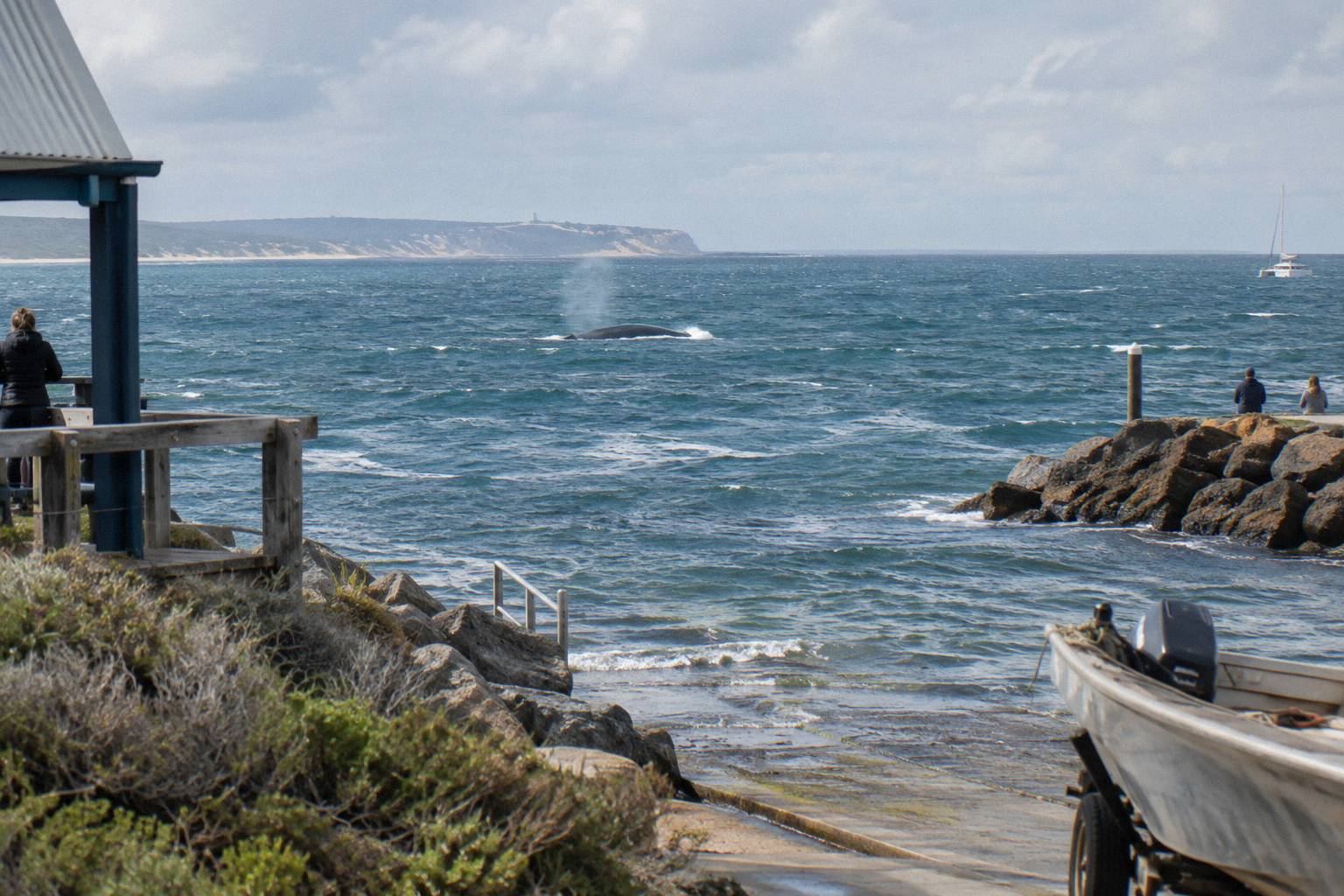
Humpback and southern right whales are the species both operators name from mid-August or September to November, with mothers and calves resting in the bay on the southern return. Blue whales are named from October onwards and minkes in October and November as chance encounters. All four species overlap only in October and November.
The two headline species arrive on the same seasonal logic. Humpbacks pass Geographe Bay on both legs of their migration, but the watching season is built on the southern return, when the operators describe mothers and calves pausing in the bay. Southern right whales follow a different calendar: the International Marine Mammal Habitat factsheet for the area records that southern rights breed and nurse in sheltered south coast waters including Geographe Bay. That breeding behaviour is why southern rights, unlike the transit-bound humpbacks, can linger.
Blue whales are the species that defines the late season. The same IMMA factsheet states that "large numbers of pygmy blue whales ... with calves use Geographe Bay and the Naturaliste Plateau as a narrow transit corridor," gives the eastern Indian Ocean population estimate as 662 to 1,559 animals (McCauley and Jenner 2010), and lists the species as Endangered. A 2014 SouWEST and IFAW research report recorded blue whale song and sightings in Geographe Bay during November surveys. Naturaliste Charters names blue whales "from October onwards"; All Sea Charters says "occasionally." The safe summary, attributed generally: blue whales pass through Geographe Bay in spring, mostly from October to December.
Minke whales sit at the edge of the picture. Naturaliste Charters names them for October and November as "chance encounters," which is the operator's own hedge and should stay one. If telling the species apart is part of the fun for you, the guide to telling humpback, southern right and blue whales apart goes through the differences that matter from a boat. And if a November trip with calves in mind is on your list, whether humpback calves are seen from Dunsborough in November covers what the sources actually say.
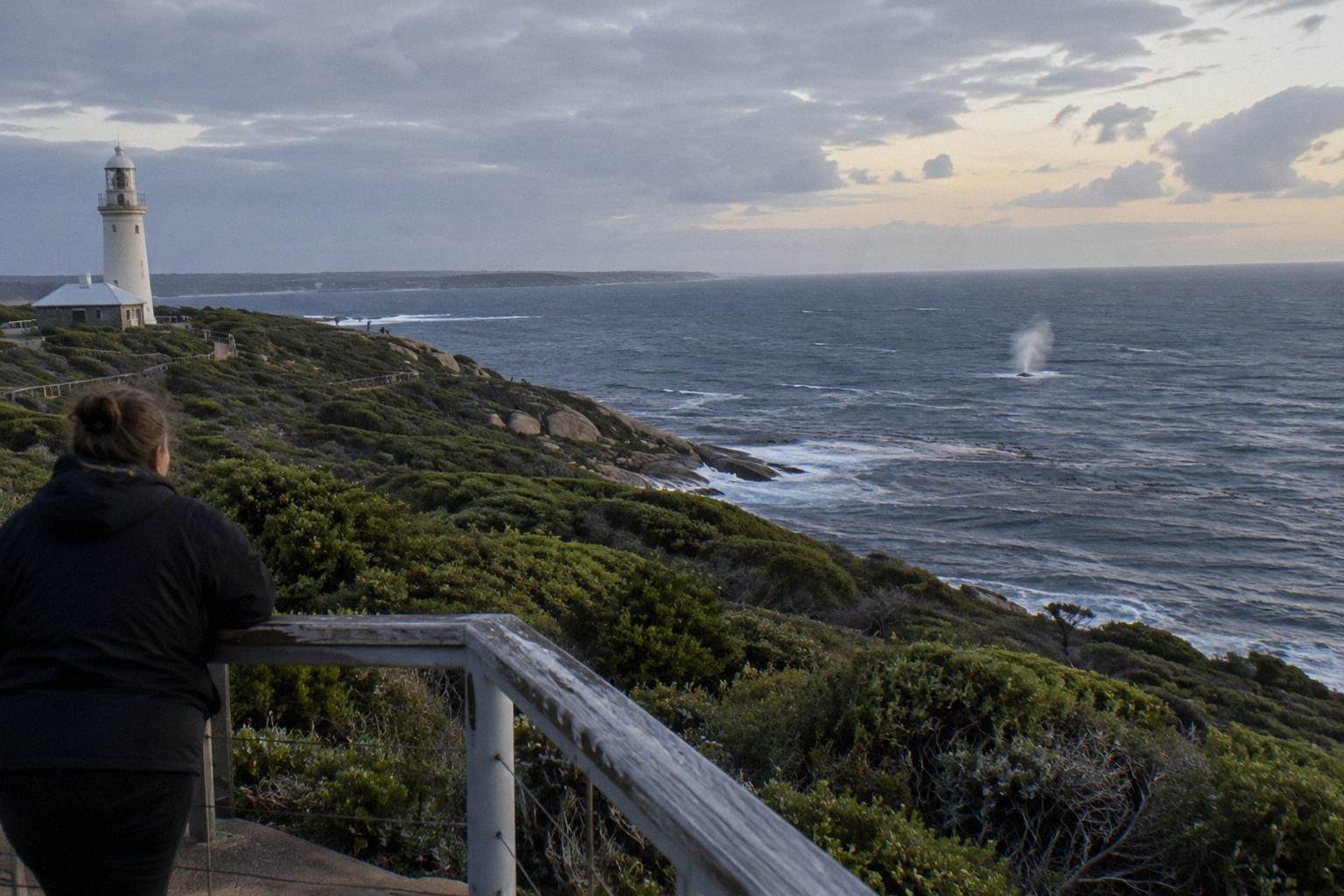
One boundary the calendar enforces firmly is the law around swimming. Western Australian law bars people from being within 100 m of a whale, and the only licensed in-water humpback program in the state runs at Ningaloo, not Geographe Bay. No cruise on this page is a swim product, and none should be booked expecting one. The details are in whether you can swim with humpback whales in Western Australia.
Augusta's Winter Season, May To August
While Geographe Bay is quiet, Augusta runs a separate whale season from May to mid-August in Flinders Bay, about 90 km and a 1 hour 10 minute to 1 hour 30 minute drive south of Dunsborough. Southern right and humpback whales are the species the operators name there, and both charter companies in this guide run Augusta trips.
Augusta is the winter half of the region's whale year. Both operators describe it as a May to August season, with minor differences in how they word the exact start and end, so "from May to mid-August" is the honest summary. Naturaliste Charters runs daily 10am and 2pm departures from Augusta Boat Harbour on Leeuwin Road, on a cruise of about 2 to 2.5 hours; its Augusta booking page lists a 2-hour guided cruise with morning or afternoon tea, expert commentary and a marine biologist on board, and says it is wheelchair accessible. All Sea Charters runs 10:00am and 1:30pm departures from the same harbour. Everything else covered here is indexed on Dunsborough Whale Watching.
| Month | Augusta cruise status | Species named by the operators |
|---|---|---|
| May | Season opens | Southern right, humpback |
| June | Daily cruises, both operators | Southern right, humpback |
| July | Daily cruises, both operators | Southern right, humpback |
| August | Season closes mid-month, then Dunsborough opens | Southern right, humpback |
The species mix explains the split calendar. Southern right whales use the sheltered south coast for breeding and nursing, and Flinders Bay sits squarely in that country, so the Augusta season tracks the southern rights' winter presence. Geographe Bay's season tracks the spring southern migration of the humpbacks and, later, the blue whale transit. Between them, the two bays cover most of the year with a whale cruise somewhere, with only the late December to April stretch having none. The trade-off question, for anyone basing themselves in one town, is handled in Dunsborough or Augusta for a whale cruise.
The cruise above, All Sea Charters Whale Watching From Busselton, Augusta And Dunsborough, is the one product that spans both bays on a single listing: rated 4.8 across 438 reviews, listed at 2 to 2.5 hours with tea and coffee onboard, anti-nausea wristbands and hotel pickup and drop-off, though which departure option carries the hotel pickup is not stated. Its price is shown on the booking page, and it carries free cancellation up to 24 hours. The Augusta Whale Watching Tour With Naturaliste Charters, rated 3.9 across 14 reviews, shows AUD 71 per person on its booking page, is listed at 2 hours, and carries the same 24-hour free cancellation; 14 reviews is a small pool, so treat that rating as an early read rather than a settled verdict.
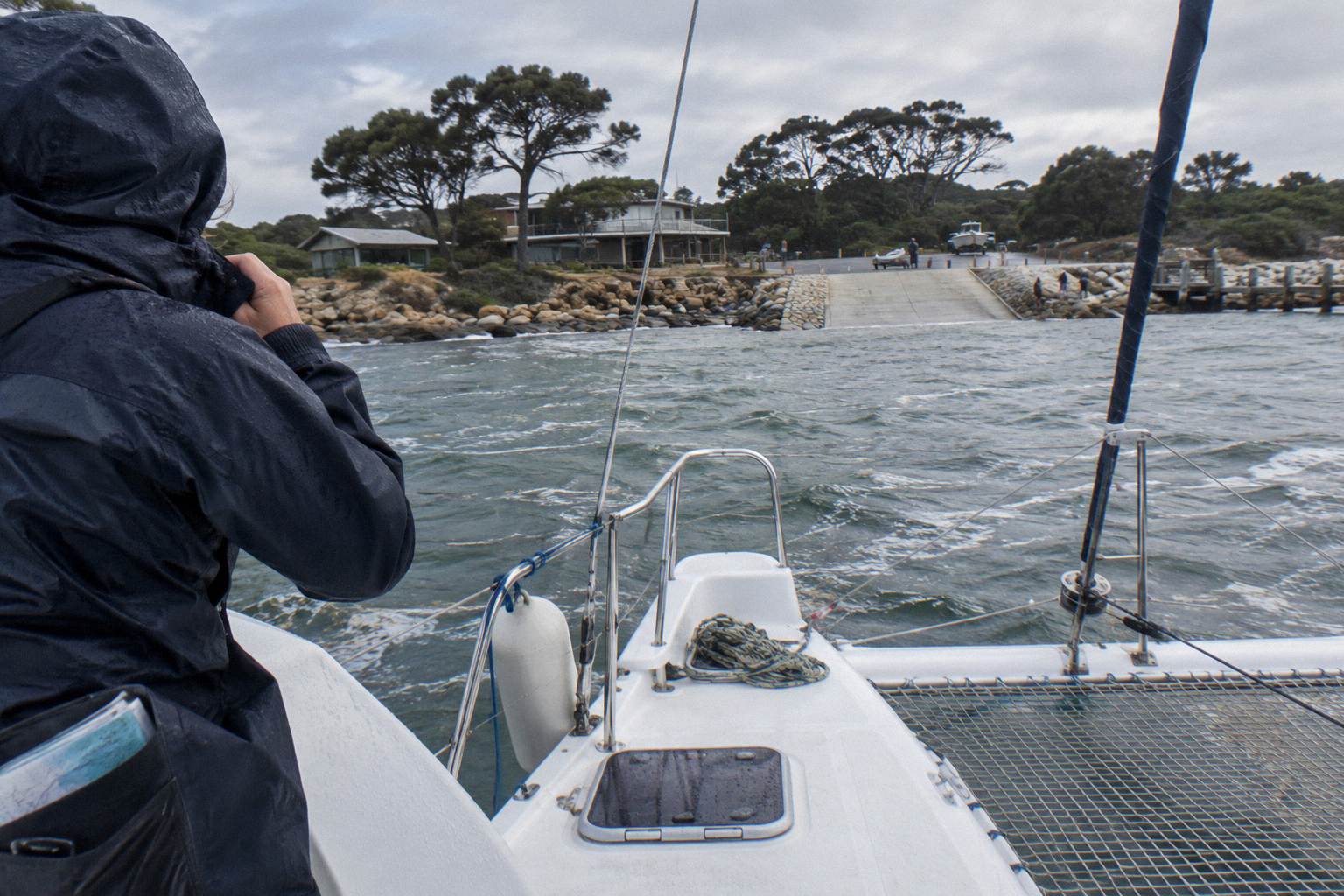
Weather And Sea Temperature By Month
Average maximum air temperature at the Cape Naturaliste weather station rises from 16.6 °C in August to 21.6 °C in November, while mean rainfall falls from 113.0 mm to 25.3 mm. Sea temperature runs about 17 to 19 °C across the season, per the seatemperature.info satellite aggregate. Both operators advise dressing in layers, sun protection and a camera.
The air figures come from the Bureau of Meteorology's long-term averages for the Cape Naturaliste station, and the sea figures from seatemperature.info, which aggregates satellite data: monthly sea averages of 17.1 °C in August, 17.2 °C in September, 18.0 °C in October and 19.1 °C in November, honestly summarised as "about 17 to 19 °C." You can check the station's full averages on the Bureau of Meteorology's Cape Naturaliste climate page.
| Month | Mean max air (C) | Mean min air (C) | Mean rainfall (mm) | Sea average (C) |
|---|---|---|---|---|
| August | 16.6 | 10.1 | 113.0 | 17.1 |
| September | 17.5 | 10.4 | 74.6 | 17.2 |
| October | 19.0 | 11.1 | 48.8 | 18.0 |
| November | 21.6 | 12.5 | 25.3 | 19.1 |
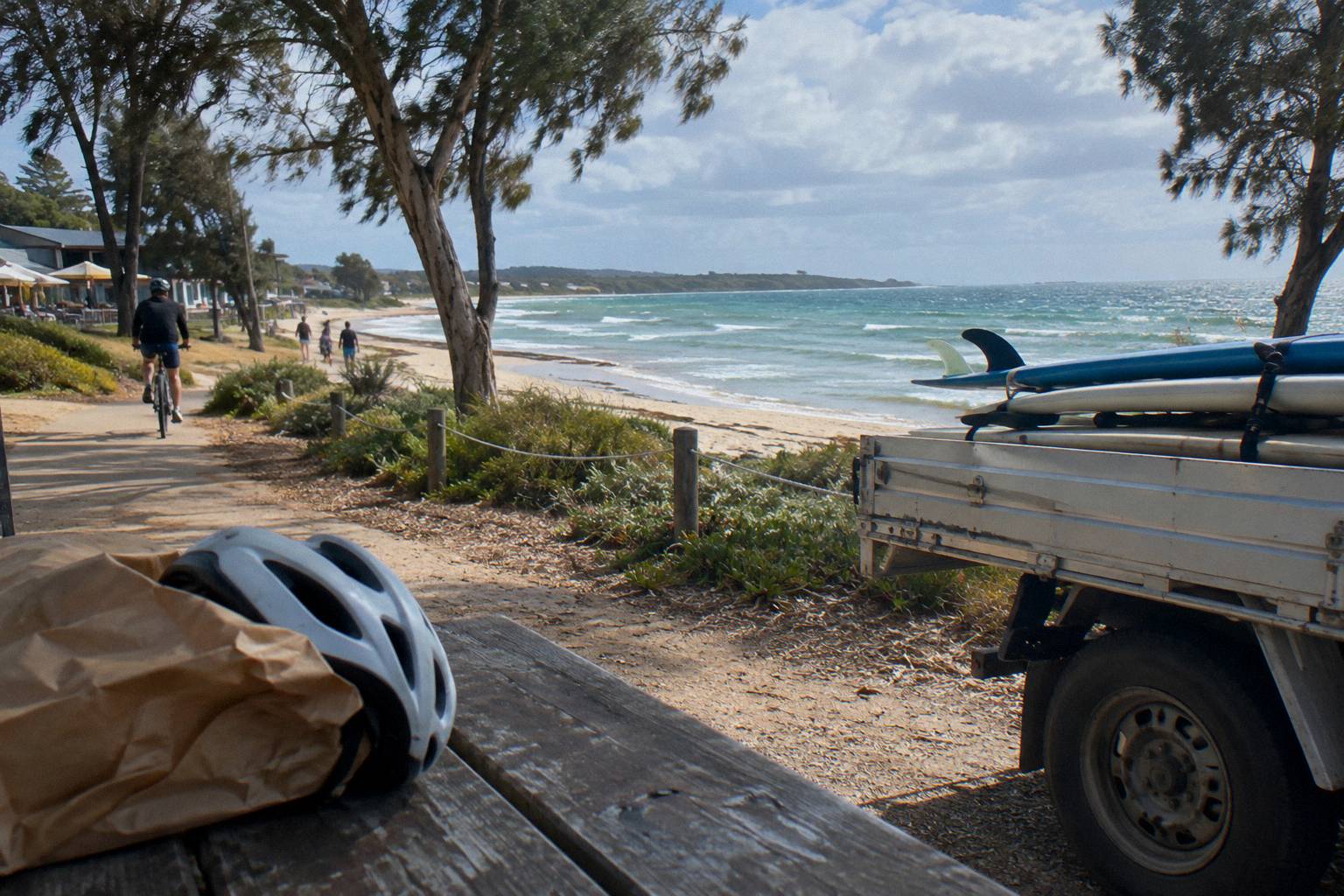
What the numbers mean for planning is mostly about expectations. An August cruise is a late-winter trip: cool air, a real chance of rain in the averages, and water still at its winter temperature. A November cruise is an early-summer one, with more than double the August maximum rainfall figure having fallen away. Neither month is promised calm; averages describe climate, not any given morning, and this page prints no wind, swell or sea-state claims because no source here makes them. The practical response to all of it is the operators' own advice: dress in layers, bring sun protection and a camera. If rough-weather worry is the thing holding you back, seasickness on a Geographe Bay whale cruise covers the precautions the operator actually recommends.
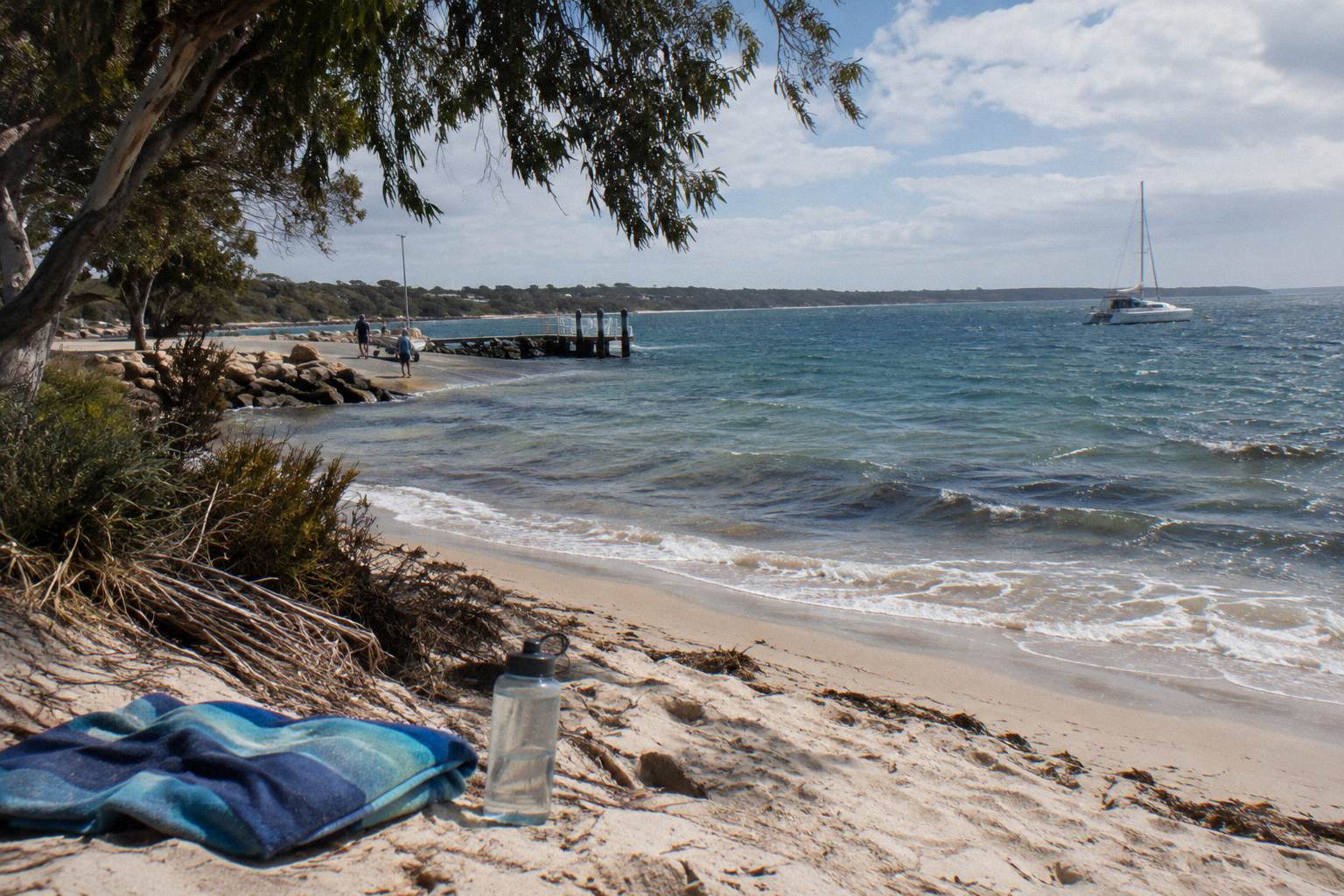
How The Two Dunsborough Operators' Seasons Differ
Naturaliste Charters runs mid-August to the end of November from the Professional Fisherman's Boat Ramp at Quindalup, with 10am and 2pm departures daily. All Sea Charters runs mid August to early December from Geographe Bay Road, Dunsborough, without publishing its exact ramp or clock times. The overlap is roughly mid-August to late November.
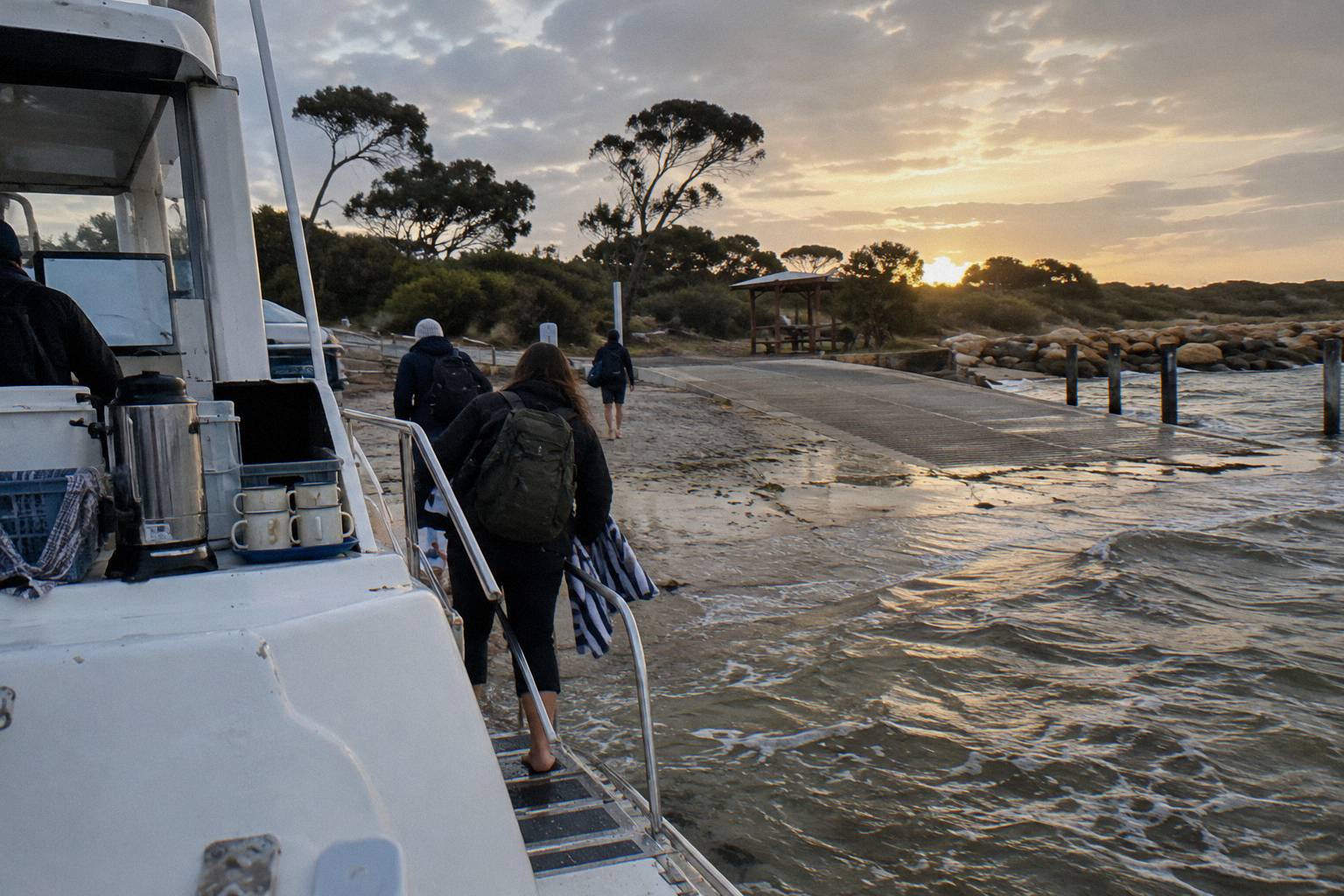
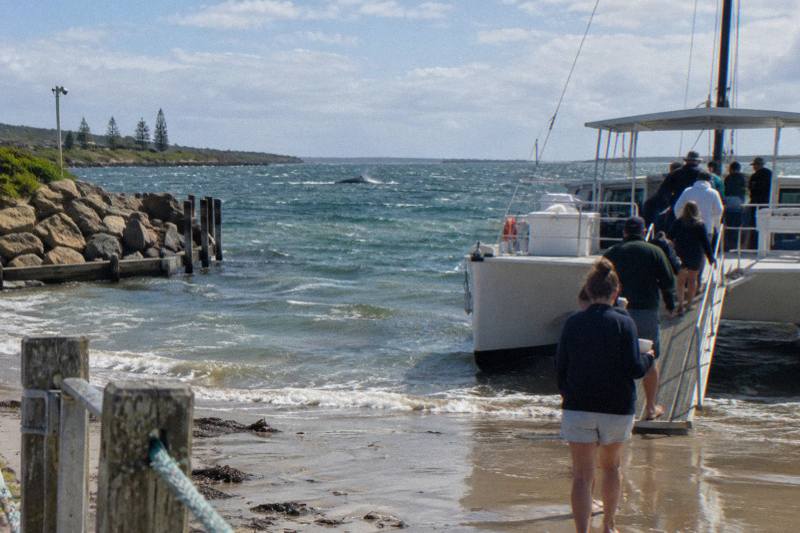
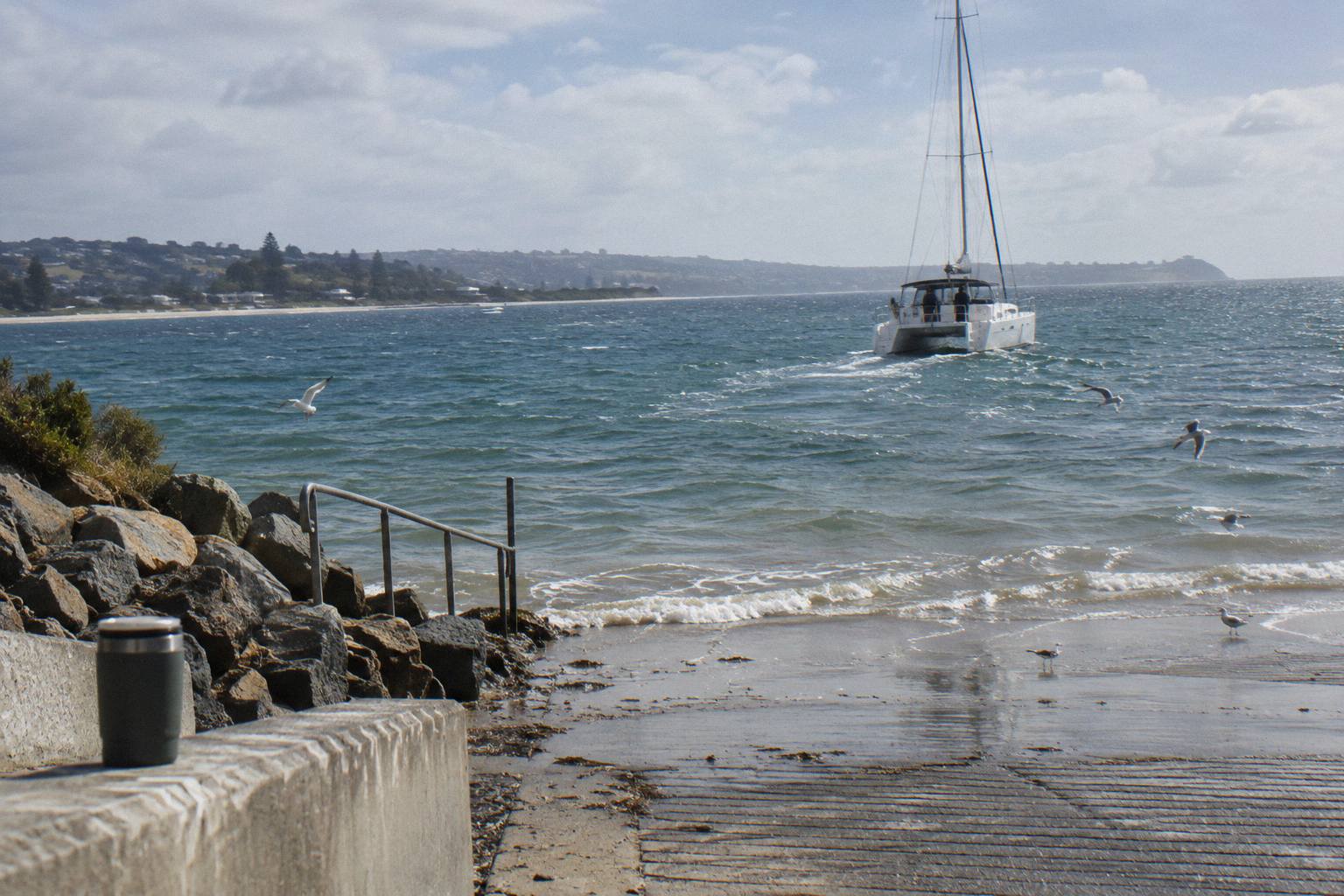
The differences are small on the calendar but real in the details. Naturaliste's Dunsborough page pins everything down: the ramp opposite 306 Geographe Bay Road, Quindalup, roughly 5 km east of Dunsborough town, two departures a day, boarding 15 to 30 minutes before departure via a handrailed beach ramp onto the Indi Maree and a transfer to the 23 m catamaran Alison Maree, with the operator advising to allow up to 3 hours depending on wildlife sightings on a cruise of about 2 hours. All Sea Charters' page says "from Geographe Bay Road, Dunsborough" and "approximately 2.5 to 3 hours," and does not publish the exact ramp or departure times, so the listing is the place to confirm them.
| Naturaliste Charters (Dunsborough) | All Sea Charters (Dunsborough) | |
|---|---|---|
| Season, operator's wording | "Mid-August to the end of November" | "Mid August to early December"; main window "September to early November" |
| Departures | Daily, 10am and 2pm | Daily; times not published on the page |
| Departure point | Professional Fisherman's Boat Ramp, Quindalup | "From Geographe Bay Road, Dunsborough" |
| Listed duration | About 2 hours, allow up to 3 | Approximately 2.5 to 3 hours |
| Species named | Humpback, southern right, blue (October onwards), minke (October and November) | Humpback, southern right; blue "occasionally" |
One point that trips up returning visitors: Naturaliste Charters states plainly that "tours no longer depart from Busselton." Anyone holding an older itinerary or memory of Busselton departures should plan on Quindalup, and the Busselton or Dunsborough for a whale cruise guide works through that choice as it stands now. How to weigh the two operators against each other more broadly, including boat style, is covered in how to choose a whale cruise from Dunsborough.
Booking By Month: What To Think About Before You Pick A Date
Book for the month whose species and conditions you want, not for a claimed "best" time, because no source here ranks the months. September and October sit inside both operators' windows and inside the stretch where all four species are named; November is warmer and drier; August is early season. All cruises on this page carry free cancellation up to 24 hours.
Start with the species question. If blue whales are the goal, the operators point you to October onwards, and the broader habitat sources back a spring, mostly October to December transit, so October or November is the honest window. If humpback mothers and calves resting in the bay are the draw, the southern return stretches across the whole season, with the odds of seeing a whale on a cruise covering what can and cannot honestly be promised. If minkes are the curiosity, only October and November are named, and only as chance encounters.
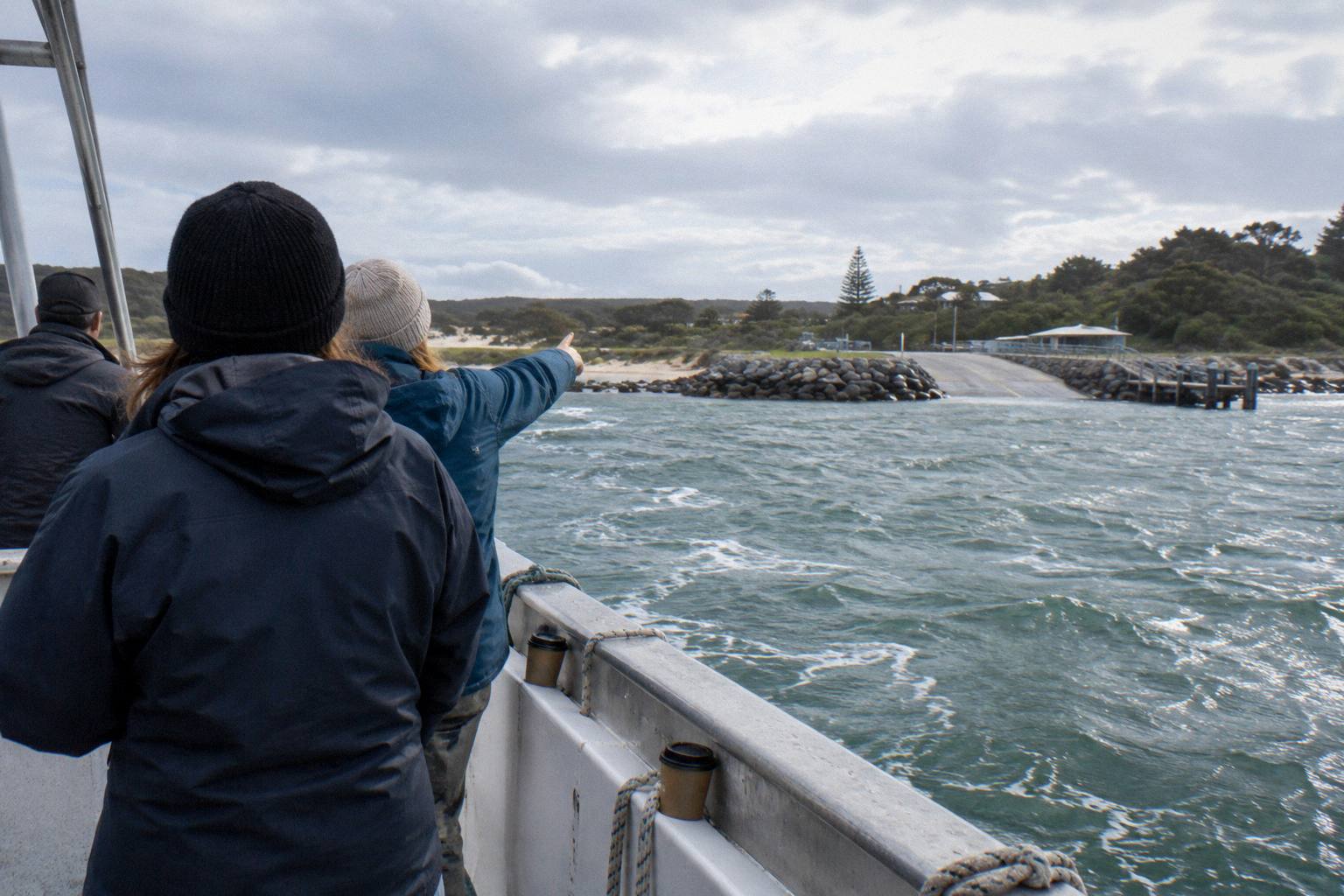
Then let the calendar shape the practicalities. August and September fall inside school-term winter and early spring, with cooler, wetter averages; November sits at the start of the summer holiday build-up, with the driest averages of the season and the warmest air. Cruises run daily through the season, but the shorter end months concentrate demand into fewer departure weeks, and the question of whether you need to book a whale cruise in advance is worth settling before you lock flights. Family planners should also skim a whale cruise with kids from Dunsborough, since age policies differ between the listings.
A note on framing: this page deliberately avoids "now," "this season" and "today." Whale seasons shift, listings change their wording, and a month-by-month article stays useful only if it speaks in months and next season. When you are ready to commit, the operator's live listing is the authority on dates, departure times and price for the exact month you want.
One more option worth knowing about, though it is not a whale cruise: the Geographe Bay Eco And Snorkel Trip, a 2-hour eco boat trip with optional snorkel, minimum age 6, price on the listing, free cancellation up to 24 hours. Six reviews is a very small pool, so treat that rating lightly. It suits a day when the whale cruise is not running or the sea invites you into it instead.
What About December To April?
No whale watching activity in Geographe Bay is stated for December beyond the cruises ending by early December, and nothing is stated for January to April. The next whale product on this region's calendar is Augusta's May season, followed by Dunsborough's mid-August opening, so the late-summer visitor plans land based or books for the following season.
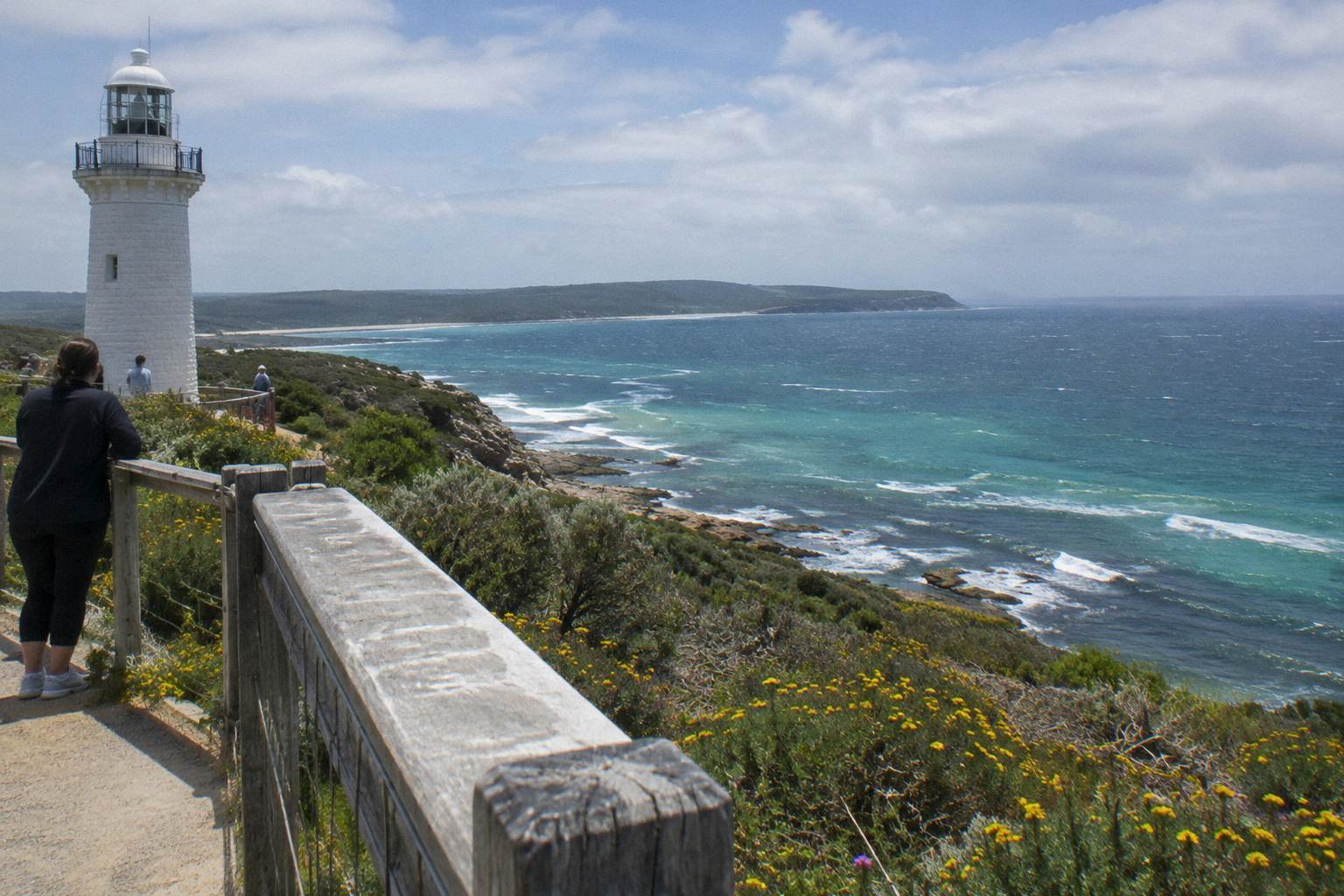
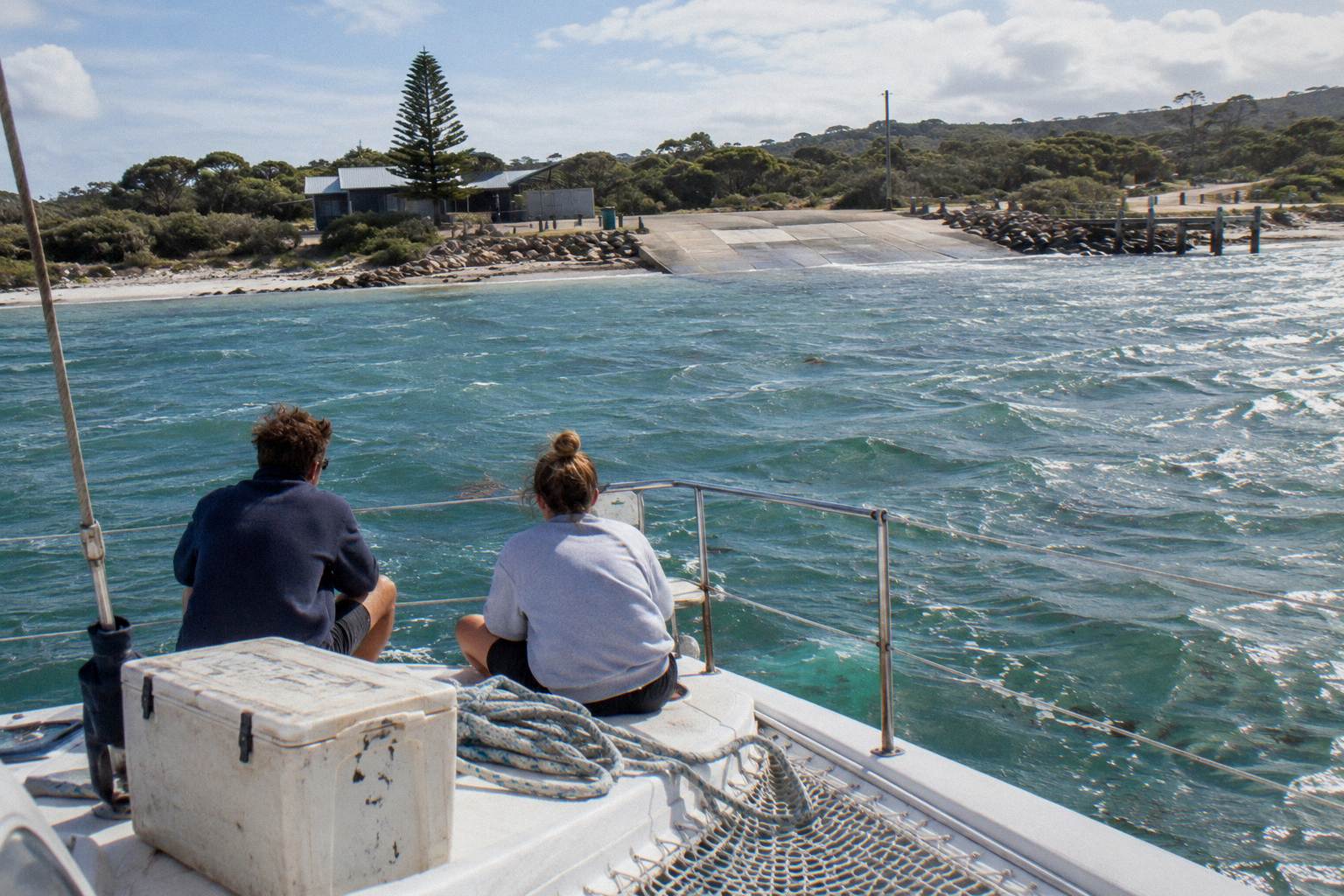
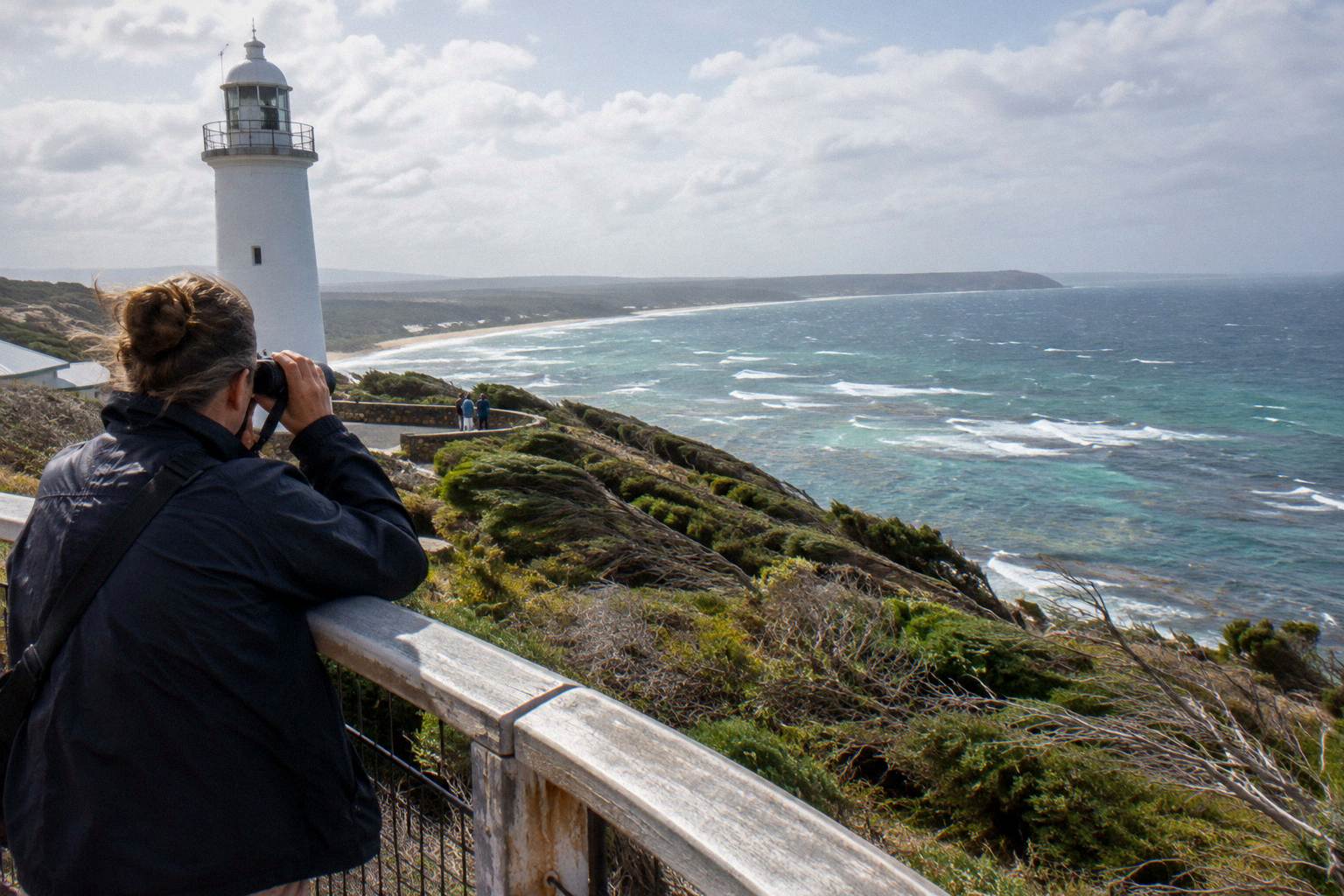
The gap months still have their uses. Dunsborough in December through April is a beach-town summer, and the same coastline that hosts the season hosts the cruises' departure ramp: the Quindalup end of Geographe Bay Road is roughly 5 km east of town, about 25 minutes' drive from Busselton and about 3 to 3.5 hours from Perth. A summer trip can also scout the land-based viewing points around Cape Naturaliste, 13 km from Dunsborough, so you know where to stand when next August arrives. The lighthouse end of the cape and its lookouts are covered in the shore watching guide linked earlier.
If you are planning far ahead, the shape of next season is stable even when the exact dates wiggle. Augusta opens in May, closes around mid-August, and Dunsborough opens as it closes, running to the end of November and, on one operator's wording, into early December. A trip that catches Augusta in July and returns for Dunsborough in October sees both halves of the region's whale year. The where to stay for a Dunsborough whale cruise guide helps with the base camp for the spring half.
Where To Check The Rules That Shape Every Cruise
Western Australian law sets the distances every cruise works inside: a person must stay 100 m from a whale, and a vessel 100 m to the side and 300 m within a 60 degree arc front or rear, with a AUD 5,000 penalty for coming closer. If a whale approaches the boat, the master must cut engines or move away at no more than 6 knots.
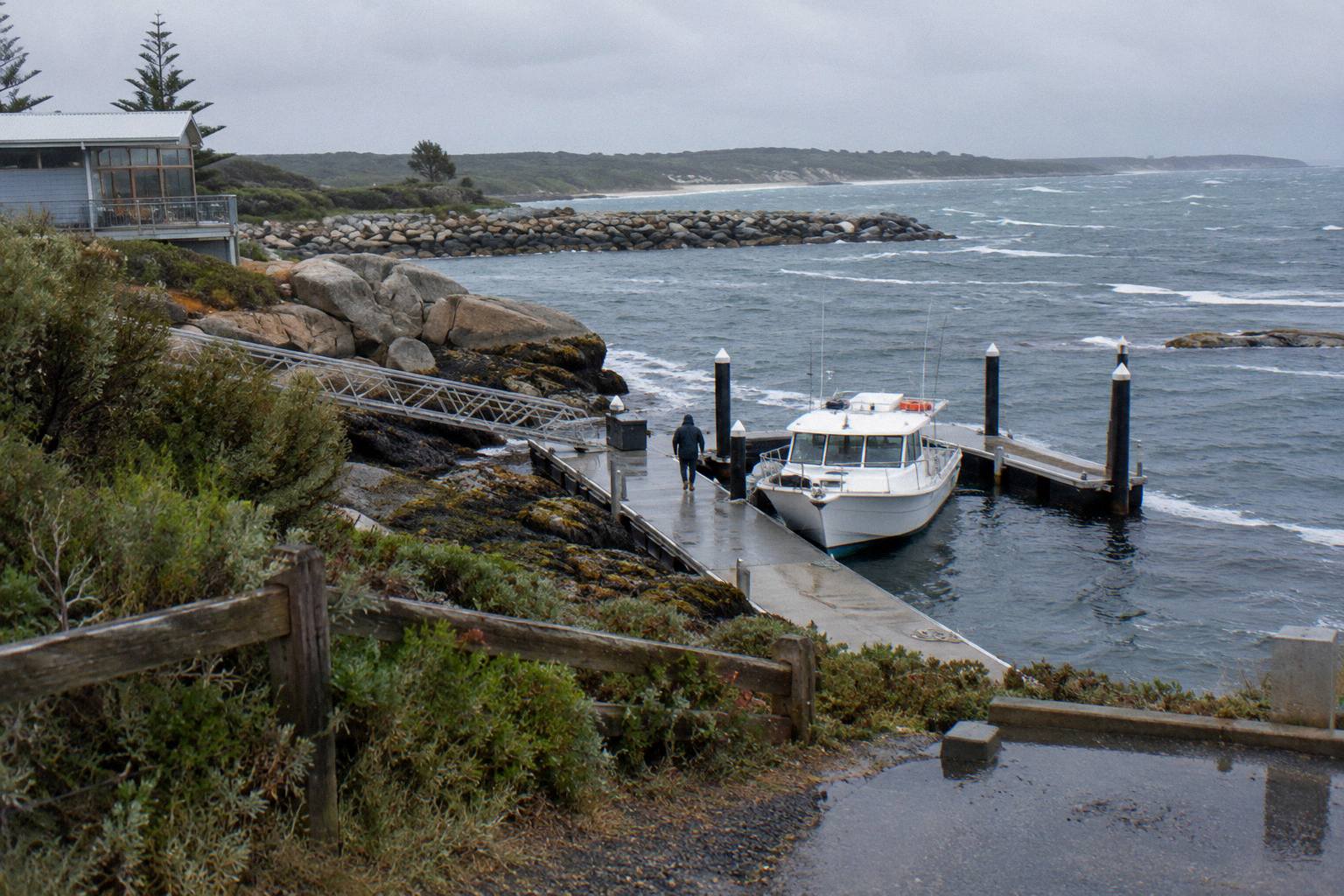
These rules come from the Biodiversity Conservation Regulations 2018 (WA), Schedule 5, and they explain a lot of what you will see on the water: why boats hold station rather than chase, and why a curious whale closing the distance triggers engines to neutral rather than a burst of throttle. The full text is in the official WA legislation PDF, and the Department of Biodiversity, Conservation and Attractions publishes plain-language whale watching guidance, including the 100 m swimmer distance and the 60 m drone limit, on its DBCA whale watching advice page. The licensed interaction rules, and why Ningaloo is the only swim program, sit behind the DBCA swimming with humpback whales page.
For the season planner, the law is background but reassuring background. Every cruise on this site is a watching product run by a licensed operator inside those distances, and the species calendar above describes what the operators name, not what they chase. The month you book decides the mix; the regulations decide how close the encounter can legally get; and the bay does the rest.
Common Questions About The Geographe Bay Whale Season
When Is Whale Watching Season In Dunsborough?
The Dunsborough whale cruise season runs about August to the end of November. Naturaliste Charters words it "mid-August to the end of November"; All Sea Charters says "mid August to early December" with a main window of September to early November.
What Is The Best Month For Whale Watching In Geographe Bay?
No source used here ranks the months. September and October sit inside both operators' windows and inside the stretch where humpback, southern right, blue and minke whales are all named; November is warmer and drier; August is early season. Pick by species and conditions, not by a claimed peak.
Are There Whales In Geographe Bay In December?
Only at the very start, on one operator's wording: All Sea Charters says its season runs to early December, and Naturaliste Charters closes at the end of November. Beyond that, no whale watching activity in the bay is stated for December, and the cruises described on this site are finished for the year.
When Can You See Blue Whales From Dunsborough?
Naturaliste Charters names blue whales "from October onwards" and All Sea Charters says "occasionally." Marine habitat sources describe pygmy blue whales using Geographe Bay as a narrow transit corridor in spring, mostly from October to December, and a 2014 research report recorded blue whale song and sightings in the bay in November.
Can You Watch Whales In Western Australia In Winter?
Yes, in Augusta. While Geographe Bay is quiet, Augusta's season runs from May to mid-August in Flinders Bay, about 90 km south of Dunsborough, with southern right and humpback whales the species the operators name and daily departures from Augusta Boat Harbour.
Do The Dunsborough Whale Cruises Run Every Day In Season?
Both operators list daily departures through their seasons. Naturaliste Charts runs 10am and 2pm from the Quindalup ramp; All Sea Charters runs daily but does not publish its clock times on its page, so its live listing is the place to confirm times for your date.