What To Wear And Bring On A Whale Cruise In Western Australia
Geographe Bay in spring looks mild on paper and feels two seasons colder on the water. Here is what the weather records and the operators themselves say about dressing for the boat.
Short answer
Dress in layers, bring sun protection and carry a camera. That is the full extent of what the operators themselves advise, and it matches the numbers: Cape Naturaliste averages 16.6 to 21.6 °C maximum and 10.1 to 12.5 °C minimum from August to November, with sea temperatures of about 17 to 19 °C, so plan for a cool, changeable morning on deck.
A whale cruise from Dunsborough is a two-and-a-half-hour commitment to open water in a season that straddles the tail of winter and the start of summer. The instinct of most first-time guests is to dress for the town, not the boat, and the town in October feels pleasant: 19 degrees on average at the Cape Naturaliste weather station, light jacket weather on land. Two hours standing on an outside deck changes the arithmetic. There is no heating out there, no shelter from a south-westerly, and no way back to the car once the boat leaves the Quindalup ramp.
This guide sticks to what can actually be verified. The temperature and rainfall figures come from the Bureau of Meteorology's long-term averages for the Cape Naturaliste station, the sea temperatures from seatemperature.info, an aggregator of satellite data, and the clothing advice from the whale cruise operators' own published guidance. Where an operator says nothing, this page says nothing too. That honesty matters more than a packing list that sounds confident but is invented.
The short version, before the detail: dress in layers, bring sun protection, carry a camera. The operators themselves say exactly that, and the weather data backs them up.
What Should You Wear On A Whale Cruise In Western Australia?
Dress in layers, bring sun protection and carry a camera, which is the entirety of the specific advice the operators publish, and it is enough: Cape Naturaliste averages run from a 16.6 degree maximum in August to 21.6 in November, with minimums of 10.1 to 12.5 degrees, so the gap between standing in the sun and standing in the wind can be a full season of clothing. Layers let you close that gap on the water.
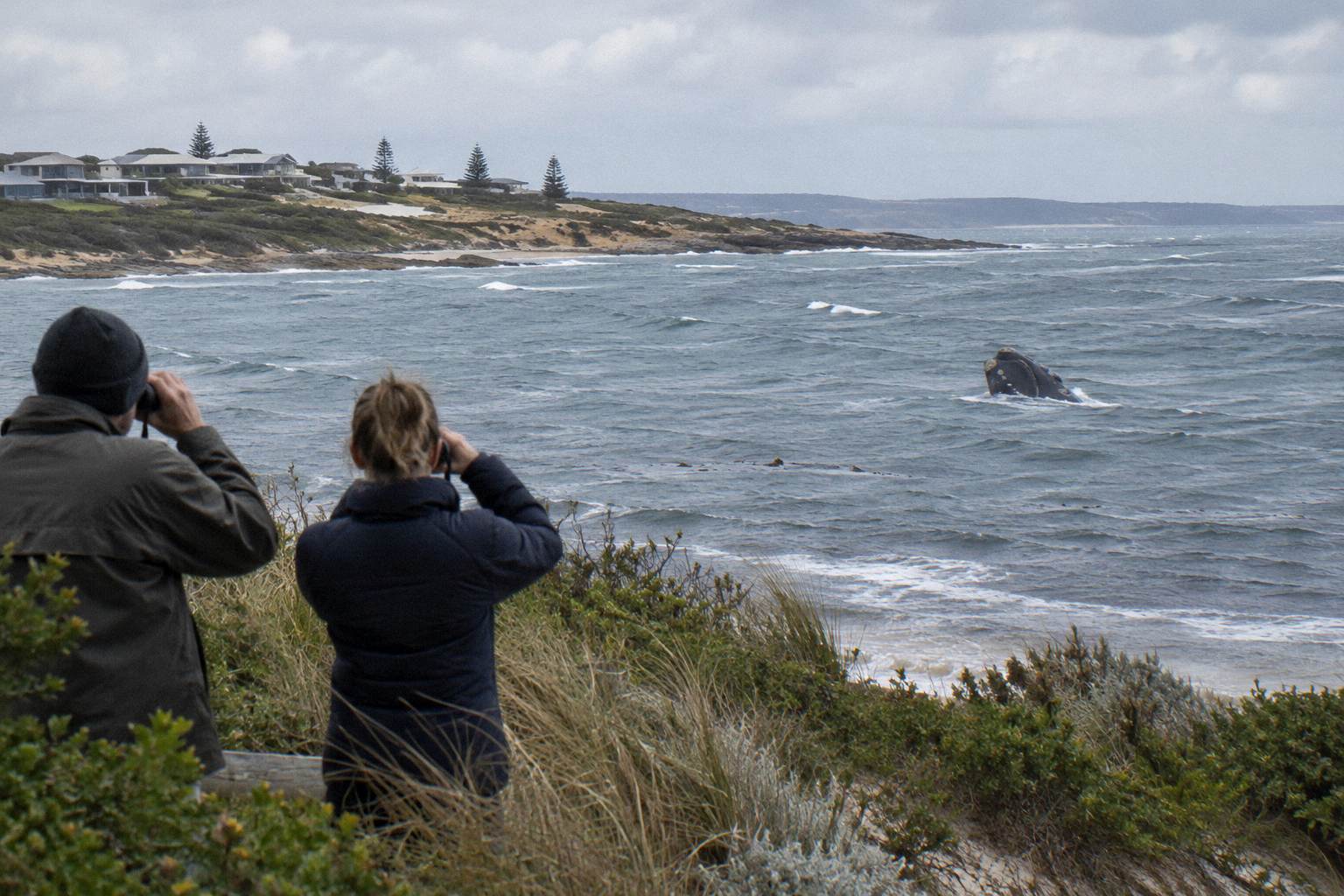
Why layers rather than one warm coat? Because a whale cruise alternates between two states. The first is sitting or standing still on an outside deck for long stretches, watching a patch of water where a whale might surface, and in that state the wind does the work of a much colder day. The second is moving around the boat, leaning over rails, photographing, talking, and in that state you generate heat fast. A single heavy layer suits the first state and cooks you in the second.
The operators do not name fabrics, brands or specific garments, and this page will not invent them on their behalf. What can be said is the structural logic: layers you can remove and carry easily beat layers you cannot. Whatever you take off, you will be holding or stowing for part of the trip, so it needs to be something you can stuff under an arm or into a bag without ceremony.
If you are still choosing which cruise to dress for, the three below cover the main options from this region: the featured Dunsborough trip, the multi-departure alternative, and the Augusta tour for the earlier winter window.
How Cold Is It Actually Out On The Water?
Cape Naturaliste's long-term averages put the air at 16.6 degrees maximum and 10.1 minimum in August, warming to 21.6 and 12.5 by November, with sea temperatures of about 17 to 19 °C across the season, so the water never gets warm and the air never gets hot, and rain falls most often early in the season, 113 mm on average in August against 25.3 mm in November.
The Bureau of Meteorology's station at Cape Naturaliste, number 009519, sits at the north-west corner of the bay and is the closest long-term record to where the boats actually run. Its averages describe the season the Dunsborough cruises operate in: August to November for the primary operator, mid-August to early December for the second. Here is the full picture.
| Month | Mean max air (C) | Mean min air (C) | Mean rainfall (mm) | Sea temp average (C) |
|---|---|---|---|---|
| August | 16.6 | 10.1 | 113.0 | 17.1 |
| September | 17.5 | 10.4 | 74.6 | 17.2 |
| October | 19.0 | 11.1 | 48.8 | 18.0 |
| November | 21.6 | 12.5 | 25.3 | 19.1 |
Two readings of that table matter for clothing. First, the minimums: even in November the average night and early morning bottom out around 12.5 degrees, and a 10am departure means boarding in the morning half of the day, closer to the minimum than the maximum on many days. Second, the rainfall trend: August is the wettest month of the season at 113 mm on average, November the driest at 25.3 mm, so early-season guests should take the possibility of a shower seriously and late-season guests can pack lighter. The sea temperature figures come from seatemperature.info, an aggregator of satellite data, and describe the monthly average of the bay's surface water: about 17 to 19 degrees across the season. That is the temperature that chills the air immediately above it and the spray if any reaches you.
The Bureau's full record for the station is published at the Cape Naturaliste climate averages table, and checking the forecast a day or two before your cruise is worth more than any packing list. What this page will not do is make claims the data does not support: no wind chill figures, no sea-state predictions, no promises that mornings are calmer. None of that is verified here, and a look at the actual forecast serves you better.
Why Layers Are The Only Advice The Operators Give
Neither operator publishes a garment list; both tell guests to dress in layers, use sun protection and bring a camera, and that restraint is informative, because an operator that runs daily trips in this weather has every reason to warn you about anything that genuinely ruins a cruise, and layers are the warning they chose.
Consider what the operators do publish instead. The Dunsborough Whale Watching Tour With Naturaliste Charters runs on the Alison Maree, a 23 m catamaran with an indoor space, and the operator provides tea, coffee, milo, filtered water, green tea and biscuits on board, sells soft drinks and snacks, has two toilets with hand washing, and carries life jackets for all. The booking page shows AUD 71 per person, prices can change, and it lists a 2.5-hour cruise with free cancellation up to 24 hours. The tour is rated 4.7 across 137 reviews. Read that list as a picture of the day: you will be on the water long enough to want a hot drink, and the boat's answer to cold is a cup of tea as much as a heater.
The other Dunsborough operator, All Sea Charters, runs the Whale Song, a 17 m aluminium catamaran with a climate-controlled cabin, two outside decks, an accessible toilet and anti-nausea wristbands on board. Its Dunsborough trip is listed at 2 to 2.5 hours with tea and coffee onboard. It is rated 4.8 across 438 reviews, with the price shown on the booking page rather than printed here. Again: the boat has a warm cabin, and the expectation is that you will move between it and the outside decks all cruise. Layers are what make that shuttling comfortable.
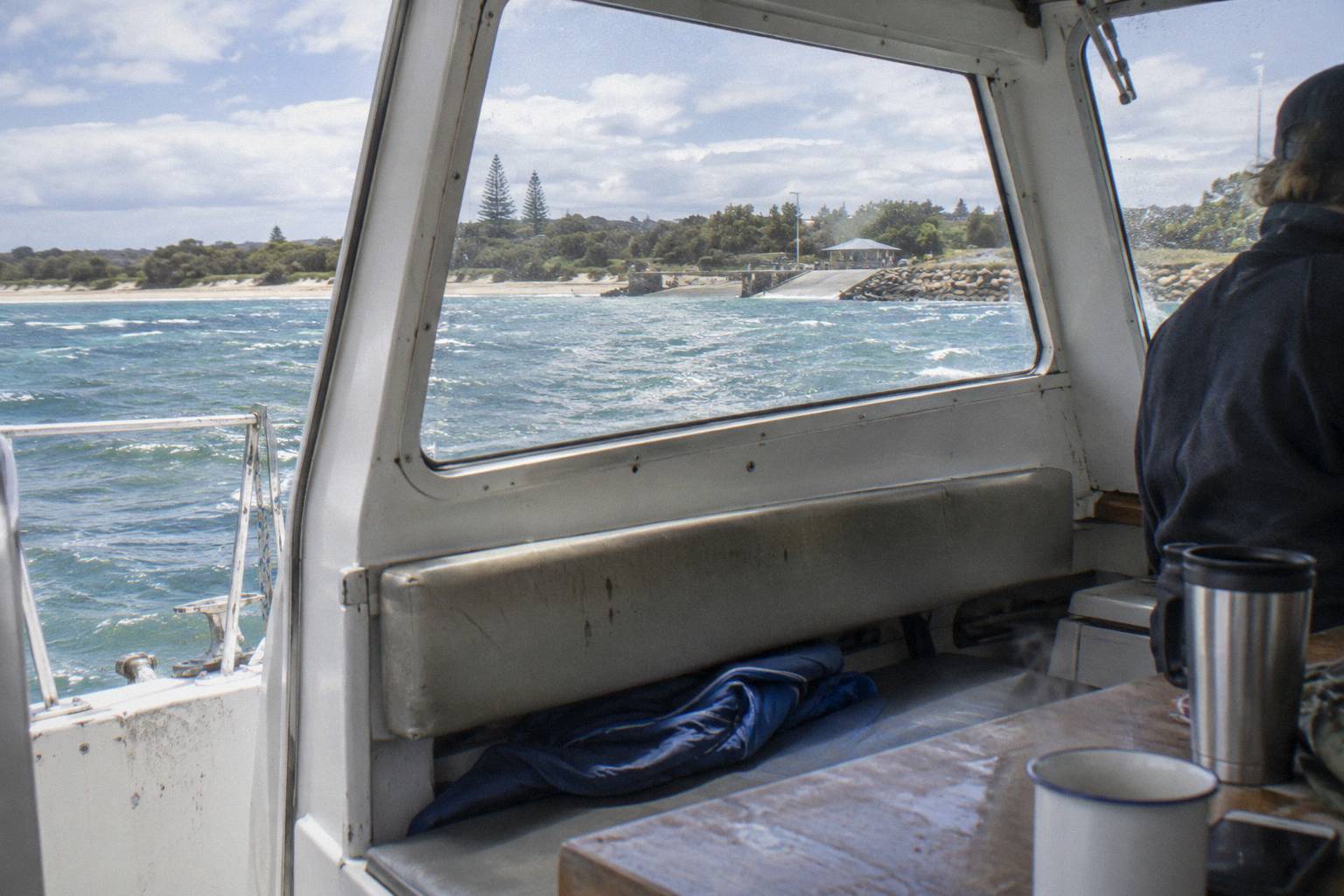
There is a natural limit to how much any article can add beyond the operators' advice, and it is worth being upfront about it. This page could list fabrics and footwear brands, and many packing articles do, but those lists are inventions. The verifiable content is: the weather table above, the operators' three-line advice, and the specific facts about each boat. For a fuller walk-through of the day itself, see what actually happens on a Dunsborough whale cruise, which covers the flow from boarding to return.
What Does Beach Boarding Mean For Your Footwear?
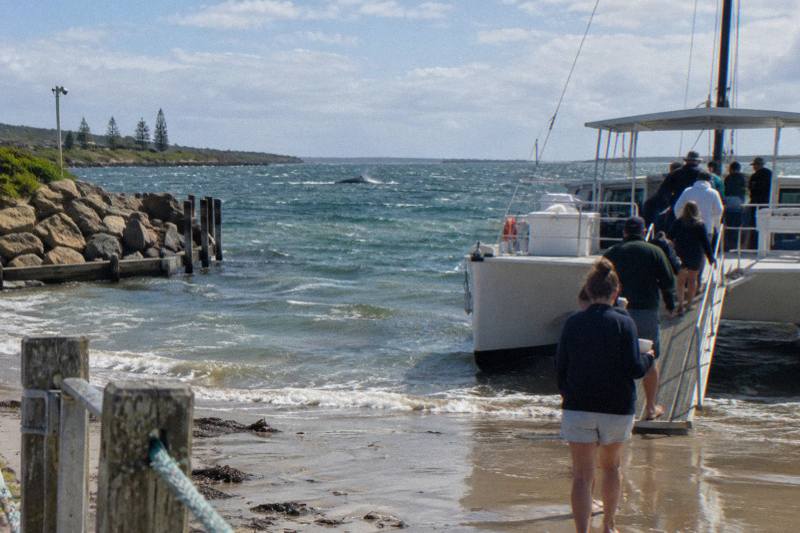
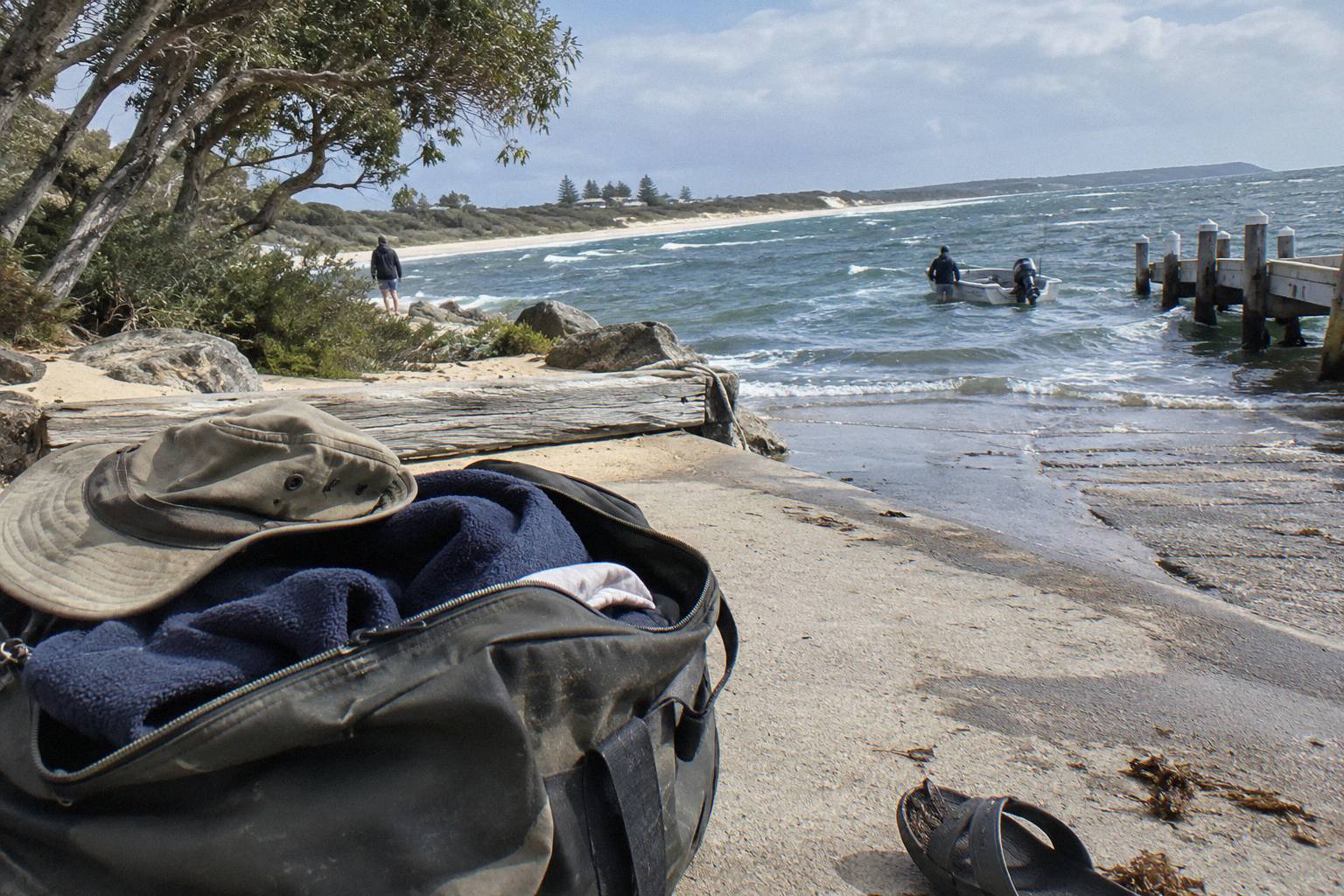
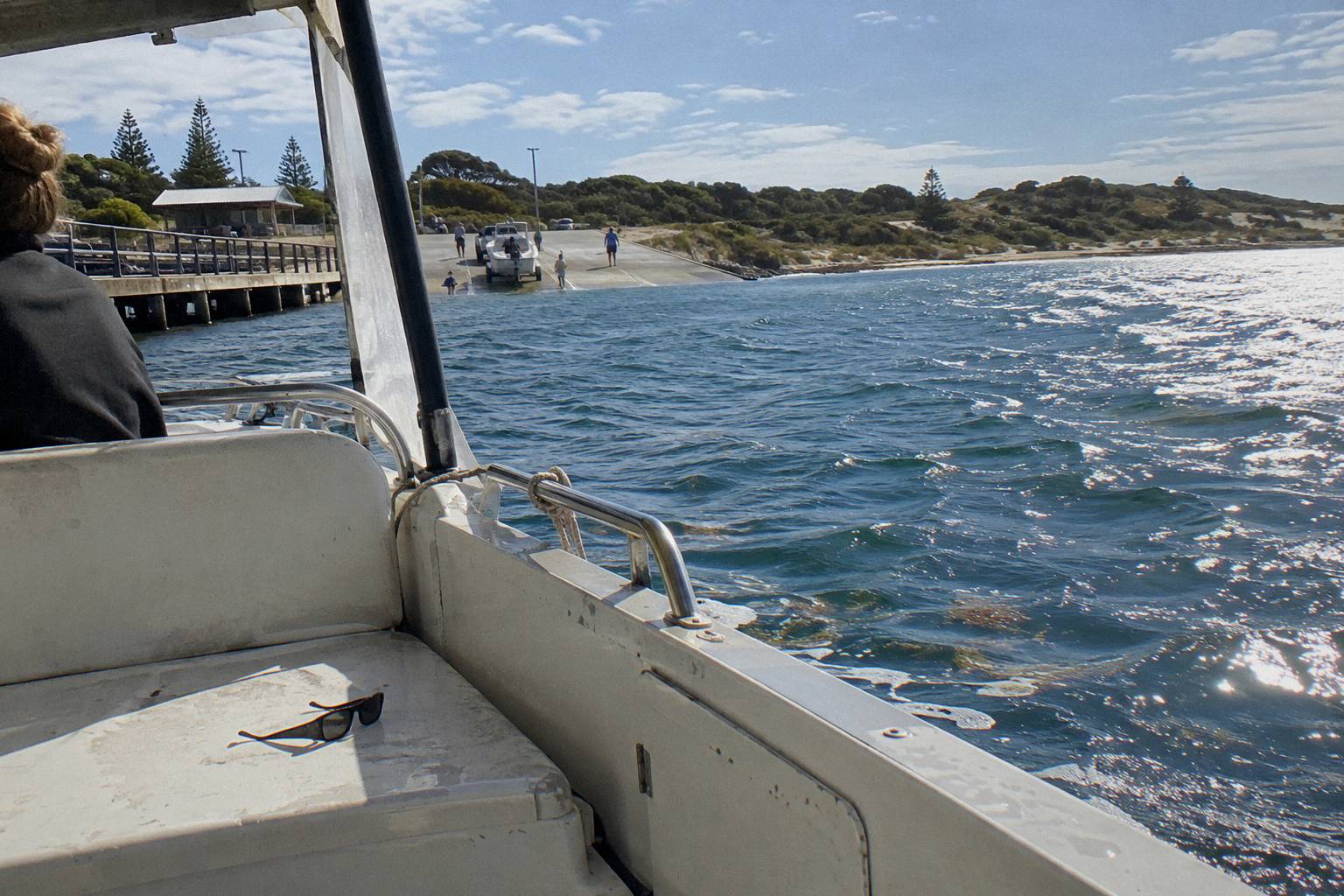
Guests on the Dunsborough trip walk down a handrailed ramp onto a smaller vessel, the Indi Maree, and transfer out to the larger Alison Maree, so you will step onto ramps and decks rather than a marina pontoon, and the operator advises arriving 15 to 30 minutes before departure, which means standing around at the ramp in whatever the morning serves up.
This is the one part of the Dunsborough clothing question with a genuine physical constraint attached, and it comes straight from the operator's own description of the departure. The trip leaves from the Professional Fisherman's Boat Ramp opposite 306 Geographe Bay Road in Quindalup, roughly 5 km east of Dunsborough town. Boarding is from the beach via the ramp system. The operator notes that guests with limited mobility may need further assistance, and the booking page says the tour is not suitable for mobility impairments.
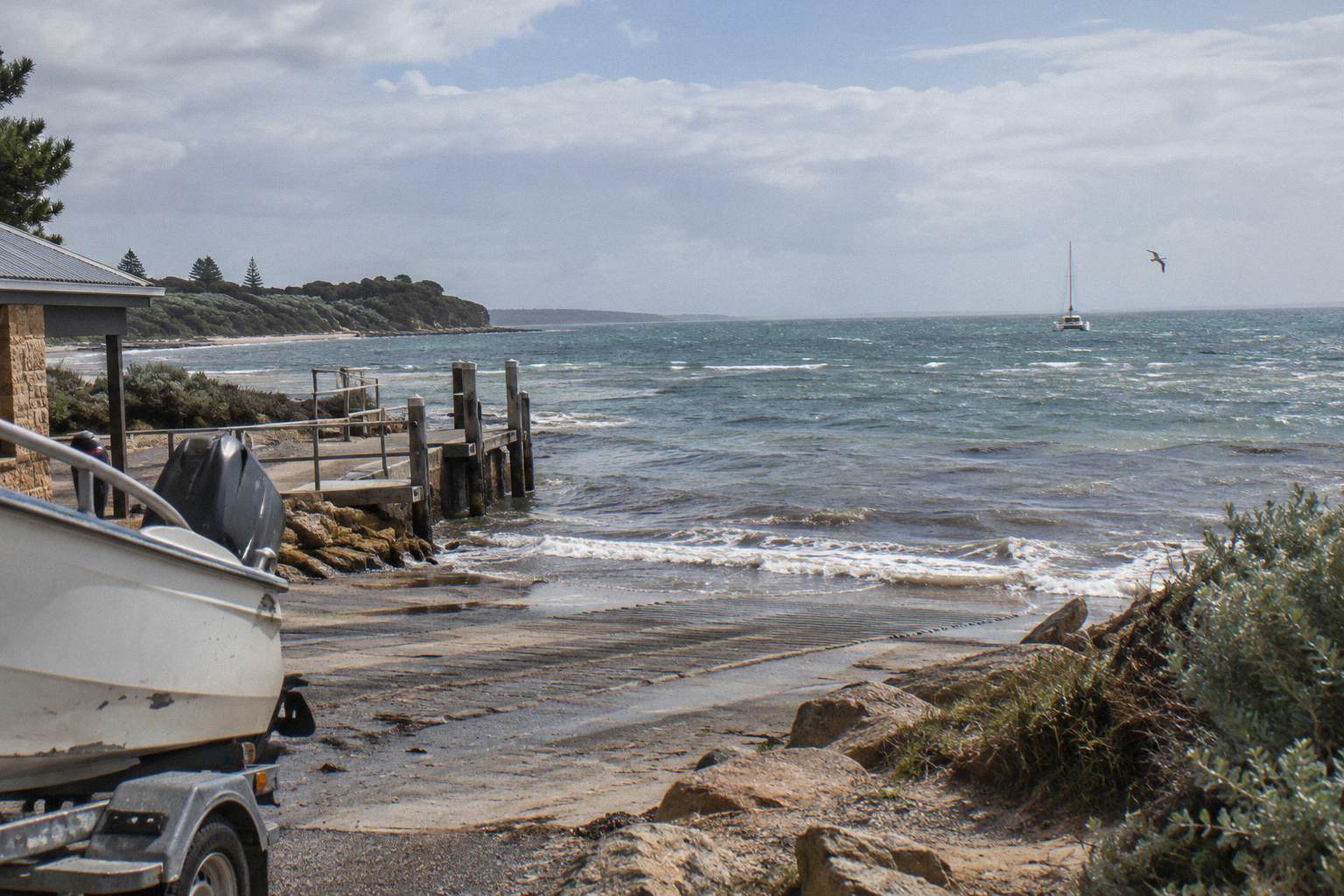
What follows for clothing is modest but real: whatever you wear on your feet and your outer layer has to handle a ramp walk, a transfer between vessels, and a wait at the ramp before departure. The operator names no footwear requirements, so this page names none either, but the physical facts of the boarding process are worth knowing when you choose. The same logic applies to anything you carry: it needs to survive being held during a transfer, not just sit in a car boot.
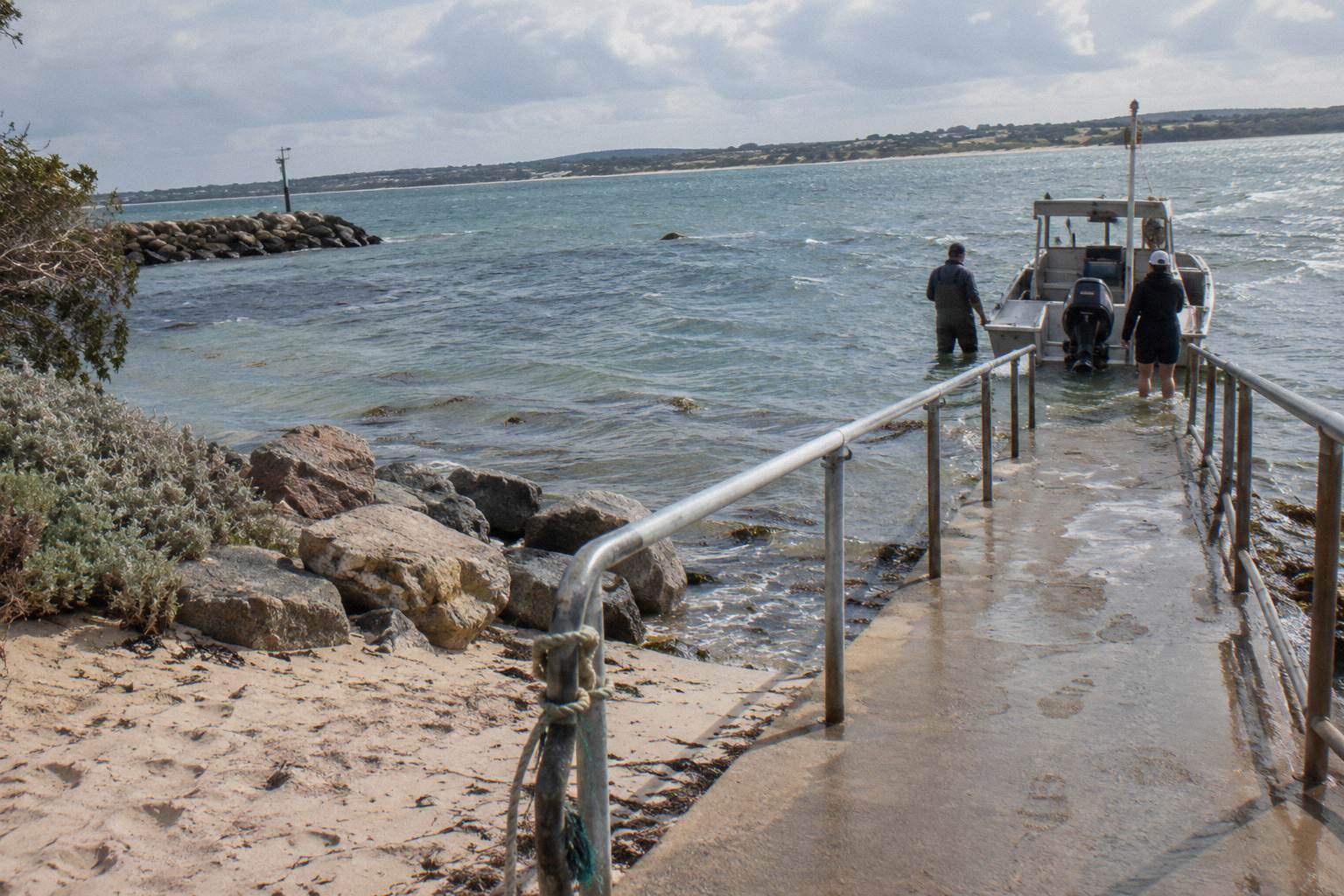
The All Sea Charters Dunsborough trip departs "from Geographe Bay Road, Dunsborough" per the operator's page, but the exact ramp and clock times are not published, so it is not stated here whether that trip uses the same beach-boarding arrangement. If that detail matters to you, it belongs on the list of questions to ask the operator before booking, covered later in this guide.
What Changes For An Augusta Cruise In Winter?
Augusta trips run from May to mid-August, the depths of the WA south-west winter rather than its spring, and the Augusta Whale Watching Tour With Naturaliste Charters departs Augusta Boat Harbour at 10am and 2pm on a listed 2-hour cruise, so an Augusta guest is dressing for colder average conditions than a Dunsborough guest and should treat the warm end of the layering range as unavailable.
Augusta is about 90 km south of Dunsborough by road, an hour and ten minutes to an hour and a half of driving, and its whale season is the mirror of Dunsborough's: southern right and humpback whales in Flinders Bay from May to mid-August, while the Geographe Bay season runs August to November. The two seasons barely overlap. A reader packing for Augusta in June is packing for a different climate regime than one packing for Dunsborough in October, and the Cape Naturaliste table earlier in this guide only describes the Dunsborough end, since the Bureau station sits at the top of the bay.
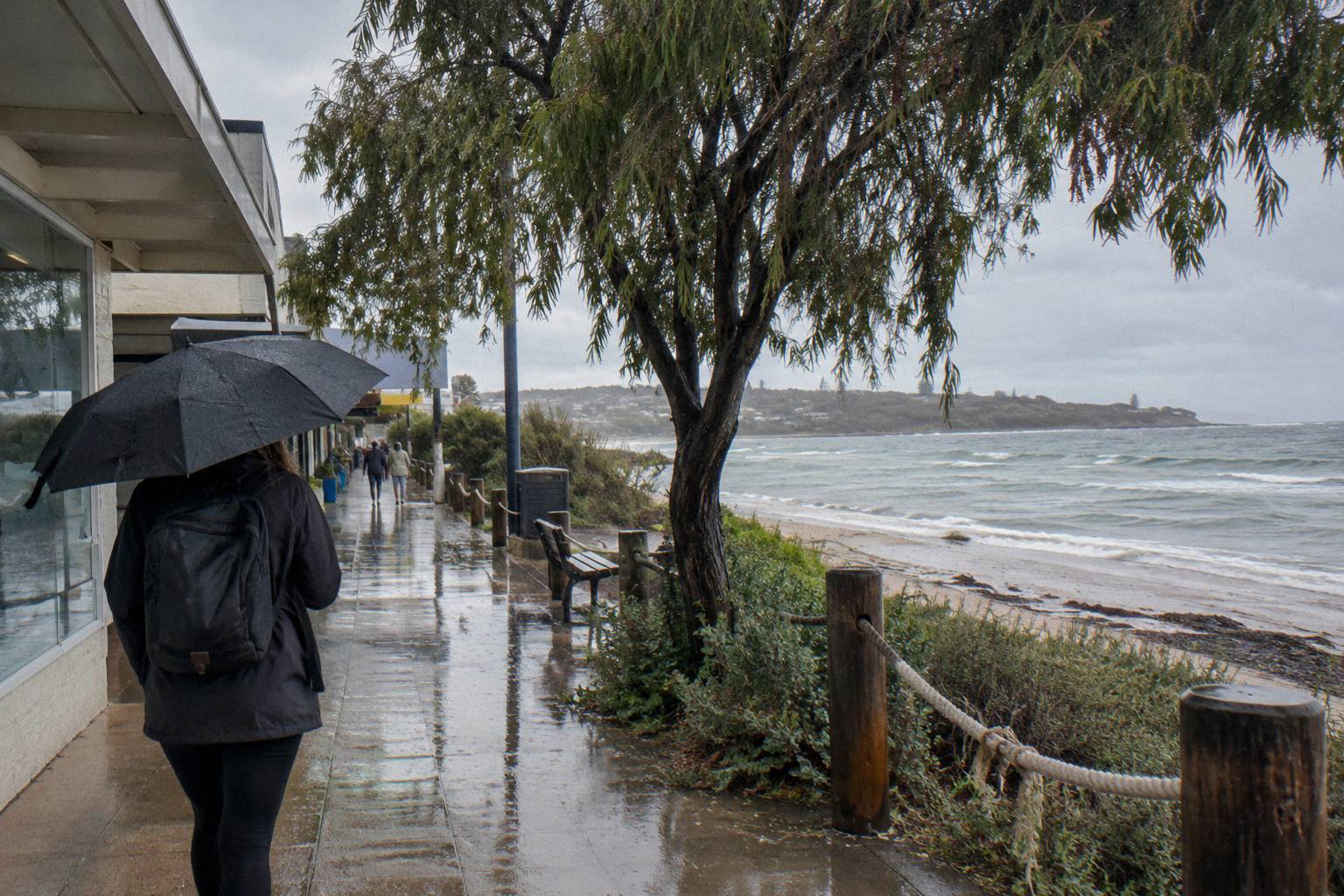
The Augusta Whale Watching Tour With Naturaliste Charters is rated 3.9 across 14 reviews, a small pool, and the booking page shows AUD 71 per person, prices can change, with free cancellation up to 24 hours. The booking page lists a 2-hour guided cruise with morning or afternoon tea, expert commentary and a marine biologist on board, and says the tour is wheelchair accessible, which distinguishes it from the Dunsborough trip's beach boarding. The All Sea Charters Augusta departure runs May to mid-August too, at 10:00am and 1:30pm from Augusta Boat Harbour, on the same multi-departure listing as its Dunsborough trip.
If you are weighing the two towns rather than just the outfits, the guide to choosing between Dunsborough and Augusta for a whale cruise covers season, species and travel logistics in full.
Sun Protection And Cameras: The Other Two Operator Lines
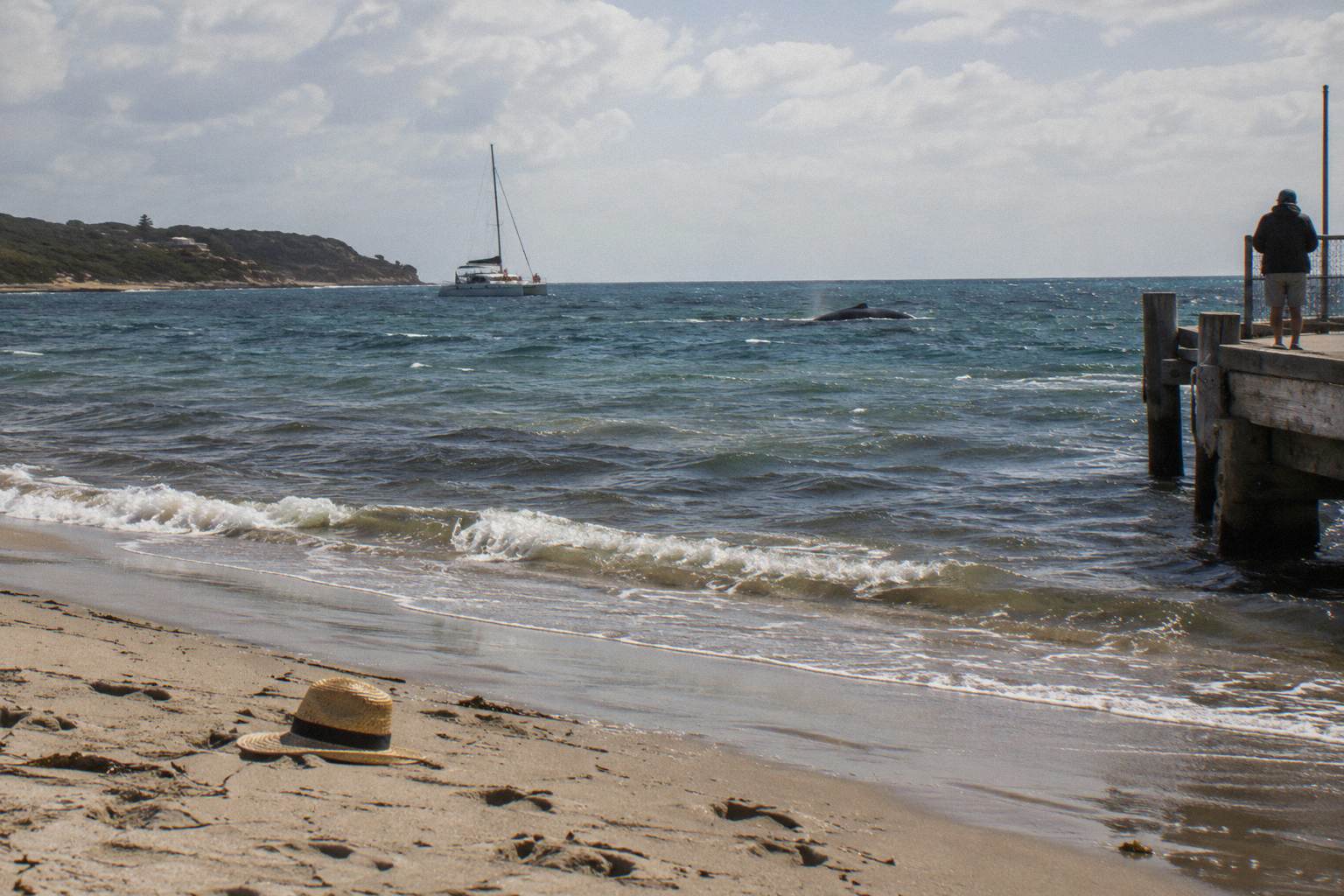
Sun protection is the one piece of clothing advice that surprises cold-season guests, and the operators give it because a spring day in the bay can deliver hours of direct sun from a low angle off open water, so whatever form your sun protection takes, it belongs in the bag from August onward, not just in November.
The operators' full published advice on what to bring is three items long: dress in layers, sun protection, camera. That brevity deserves respect rather than padding. Sun protection appears on operator advice for both the Dunsborough and Augusta trips, and the reason is structural rather than seasonal: a boat on open water offers little shade on the outside decks, and guests spend long stretches looking out toward the horizon. The Bureau's averages say November delivers a 21.6 degree maximum and only 25.3 mm of rain on average, the driest and warmest month of the season, but sun exposure is a factor from the first trip in August.
The camera advice is similarly practical. Whales surface without a schedule, the cruise lasts two to three hours, and a phone battery behaves badly in the cold and in constant photography. The operators mention cameras in their general advice and nothing more specific, so this page will not recommend models or accessories. What is worth noting from the tour listings: the Naturaliste Dunsborough cruise includes morning or afternoon tea per the booking page, so your hands are free of catering plans, and both major operators offer free cancellation up to 24 hours on their booking pages, which means a doubtful forecast is a reason to check the terms, not to skip the trip.
For readers also curious about the water itself rather than the deck, the piece on snorkelling and eco trips in Geographe Bay covers the in-water side of the region, which is a different proposition from a whale cruise.
What About Seasickness And What To Carry?
The operator's seasickness advice is to take medication according to its packaging, stay outside, watch the horizon and avoid heavy meals, and the operator deliberately claims no cure, so any seasickness planning belongs in your pre-cruise routine rather than in the bag you bring, and anti-nausea wristbands are stated to be on board only on the Whale Song.
That is the complete verified picture of seasickness precautions for this region's cruises. Naturaliste Charters publishes those four precautions on its FAQ page and stops there, which is the honest limit of what a boat operator can promise. All Sea Charters lists anti-nausea wristbands among the Whale Song's onboard features on its Dunsborough page, a fact specific to that vessel and that operator's Dunsborough trip, never generalised to the other cruises. A guest who knows they are prone would reasonably weigh that difference when choosing between the two Dunsborough trips.
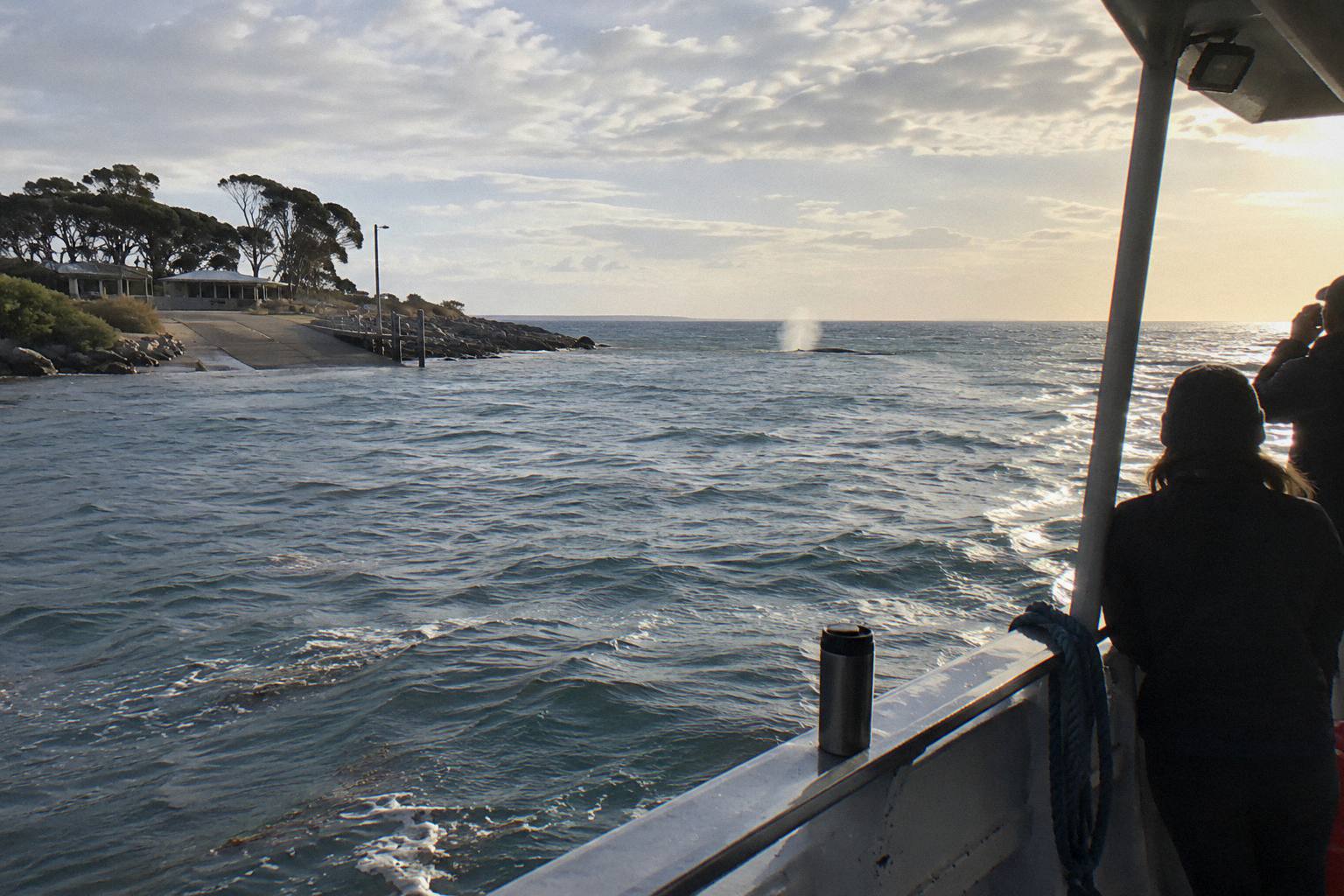
What to carry follows the same logic of restraint. Both operators supply drinks: tea, coffee, milo, filtered water, green tea and biscuits complimentary on the Naturaliste trip, with soft drinks and snacks for sale, and tea and coffee onboard the All Sea Charters listing. Neither operator asks you to bring food or drink. Beyond layers, sun protection and a camera, there is no stated requirement to bring anything. For a deeper treatment of the topic, handling seasickness on a Geographe Bay cruise covers the precautions and the onboard realities in detail.
Two adjacent trips from the roster suit travellers whose seasickness concern pushes them away from boats altogether. The Geographe Bay Eco And Snorkel Trip is a 2-hour eco boat trip with optional snorkel, minimum age 6, price on the listing, free cancellation up to 24 hours.
The fully land-based option is the Coastal Wildlife Eco Tour, a 3.5-hour walk-and-drive trip, with pickup included, water and morning tea provided, price on the listing and free cancellation up to 24 hours. No boat, no ramp, no horizon-watching required, and the clothing question reduces to a coastal walk in whatever the day brings.
What Should You Ask The Operator Before You Go?
Ask about the boarding arrangement, the cabin, the cancellation terms and the weather call, because those four answers determine most of what you wear and carry, and every one of them is a fact the operator holds and this page can only partially verify, so a two-minute email or phone exchange before the trip beats any generic packing list.
The questions below are drawn directly from the gaps this research found. Where an operator's page does not state something, the honest move is to ask, and these are the unstated items that touch clothing and comfort most directly.
| Question to ask | Why it matters for what you wear |
|---|---|
| What is the boarding arrangement at my departure point? | The Dunsborough Naturaliste trip uses beach boarding via a handrailed ramp; other departure details are not always published. |
| Is there a heated or enclosed cabin on my vessel? | Determines how much time you can spend warming up between deck watches. |
| What are the exact cancellation terms for my booking? | Direct-booking and listing terms can differ; the listings show free cancellation up to 24 hours, but confirm what applies to you. |
| What happens if the weather turns? | Operators may cancel for sea conditions and transfer or refund; confirm the process before you rely on it. |
| Are seasickness aids provided on board? | Stated for the Whale Song on its Dunsborough page; ask for any other vessel. |
| How long should I allow for the whole trip? | The Dunsborough trip is about 2 hours, allow up to 3 depending on sightings, so plan layers for the longer case. |
One more angle is worth a mention. The All Sea Charters listing shows three departure options, Busselton, Augusta or Dunsborough. Its tour is listed at 2 to 2.5 hours with free cancellation up to 24 hours and is rated 4.8 across 438 reviews; the price is shown on the booking page.
The Whole Picture In One Table
Comparing the three main whale cruises side by side, the clothing-relevant differences are the vessel, the season and the duration: the two Dunsborough options run in spring and take 2 to 3 hours, while Augusta runs May to mid-August in genuine winter, and the featured Naturaliste Dunsborough trip shows AUD 71 on its booking page with a 4.7 rating across 137 reviews.
| Tour | Season | Listed duration | Rating and count | Booking page price | Free cancellation |
|---|---|---|---|---|---|
| Dunsborough Whale Watching Tour With Naturaliste Charters | August to November | 2.5 hours | 4.7 across 137 reviews | AUD 71 per person | Up to 24 hours |
| All Sea Charters From Busselton, Augusta And Dunsborough | Varies by departure | 2 to 2.5 hours | 4.8 across 438 reviews | Shown on booking page | Up to 24 hours |
| Augusta Whale Watching Tour With Naturaliste Charters | May to mid-August | 2 hours | 3.9 across 14 reviews | AUD 71 per person | Up to 24 hours |
Prices can change, and the AUD 71 figures are the booking pages' own. What the table adds up to for clothing is simple: whichever row you pick, the operator advice is the same three lines, layers, sun protection, camera, and the difference between rows is how much cold the layers need to handle. Augusta in June asks the most of your outer layer. Dunsborough in November asks the least. The rest is checking the forecast, which is a better tool than any article, including this one.
Whatever the season, this site, Dunsborough Whale Watching, keeps the verified numbers for every cruise option in one place, so the outfit can be planned against real figures rather than guesswork.
Common Questions About What To Wear On A Whale Cruise
What Should You Wear On A Whale Cruise In Western Australia?
Dress in layers, bring sun protection and carry a camera. That is the operators' own advice, and the Cape Naturaliste averages support it: 16.6 to 21.6 degree maximums and 10.1 to 12.5 minimums from August to November, with rain most likely early in the season.
Do I Need A Jacket In November?
Almost certainly. November averages a 21.6 degree maximum but a 12.5 degree minimum, and a morning departure on an outside deck will feel closer to the minimum. A layer you can remove is the safe call in every month of the season.
Is The Water Cold In Geographe Bay?
Yes, year-round by swimming standards. Seatemperature.info's satellite averages put the bay at about 17 to 19 °C from August to November, rising barely two degrees across the whole season.
Do I Need Special Shoes For The Whale Cruise?
The operators state no footwear requirement. The one physical fact worth knowing is that the Dunsborough Naturaliste trip uses beach boarding: guests walk a handrailed ramp onto a smaller vessel, then transfer to the Alison Maree, so factor a ramp walk and a vessel transfer into your choice.
What Do The Operators Provide On Board?
The Naturaliste Dunsborough trip provides tea, coffee, milo, filtered water, green tea and biscuits, sells soft drinks and snacks, and has two toilets and life jackets for all. The All Sea Charters Dunsborough vessel has a climate-controlled cabin, an accessible toilet and anti-nausea wristbands, with tea and coffee onboard.
Can I Wear Whatever I Want If My Cruise Has A Cabin?
A cabin helps between watches but the whales are outside, and you will spend most of the cruise on deck. The climate-controlled cabin on the Whale Song is a genuine plus, but layers still govern comfort on every cruise in this region.