What Are The Odds Of Seeing A Whale On A Cruise From Dunsborough?
No whale cruise can promise a sighting, but Dunsborough operators publish free-return wording that shifts the risk. Here is what each operator actually says, and how to read it before booking.
No reliable odds figure exists for a whale sighting from a Dunsborough cruise, and none should be trusted as fact. Whales are wild animals moving on their own schedule, and no operator, regulator or researcher publishes a verified sighting probability for Geographe Bay. The honest way to weigh the risk is to look at what the operators themselves promise when no whale appears, which is where the real decision information sits.
The question every buyer actually wants answered is a probability, and the uncomfortable truth is that probability does not exist in any verifiable form. A percentage like 99 percent appears in operator marketing, but it is the operator's own figure, not an audited statistic, and it cannot be checked against independent data. The Dunsborough Whale Watching approach here is simple: treat any number a seller prints as marketing, and treat the written fallback, the thing you get if the whales stay away, as the real contract.
That fallback is not a vague gesture. Both operators running cruises out of the Dunsborough end of Geographe Bay publish specific wording about what happens when no whales are sighted, and the wording differs in ways that matter to a buyer. One operator frames it as a free return valid for two years under listed conditions. The other says simply that you can come back for free another time, without publishing the terms on that page. Those are materially different promises, and reading them closely is the closest thing to quantifying your risk that exists.
The season shapes the risk too, though never into a number. Operators describe humpback and southern right whales in the bay from mid-August or September to November, with blue whales passing through in spring and minke whales a chance in October and November. A cruise in the middle of that window is not guaranteed anything, but it is a cruise inside the months the operators themselves name.
If you are weighing a booking now, these are the three Dunsborough-area whale cruises with published listing details:
Each of those listings carries free cancellation up to 24 hours before departure, which is itself part of the risk picture. It means the decision you are really making when you book is not "will I see a whale" but "if I do not, what do I walk away with". The rest of this article unpacks that question.
What Do The Operators Actually Promise?
The two operators promise a free return trip if no whales are seen, but the wording and conditions differ. Naturaliste Charters says guests "can join us again for free", valid for two years, one tour only, non-transferable, subject to availability, weather and minimum numbers, for direct bookings. All Sea Charters says you "can come back for free another time", without publishing the terms.
Those two sentences are the most decision-relevant facts on this whole topic, so they deserve a careful reading rather than a skim. Naturaliste Charters' Dunsborough page headline uses the words "Guaranteed Whale Sightings", which is the operator's own headline and should be read as exactly that: marketing language on a seller's page, not a statement this site can stand behind. What stands behind the headline is the no-sighting policy, and that policy is specific. A free return is a real, named thing with boundaries: two years of validity, one tour, no transfer to another person, and it depends on the operator having availability, workable weather and enough passengers to run.
All Sea Charters' version is shorter and looser. Its own page says: "If whales are not seen on your first whale-watching cruise, you can come back for free another time." The booking page for that operator's cruise also mentions a free repeat tour. But the terms behind that sentence, how long the offer stays valid, whether it transfers, what happens if weather cancels the return trip, are not printed on the page. That is a gap, not a flaw in the offer, and it is exactly the kind of thing to ask the operator about before booking rather than after a whale-free afternoon.
There is a third piece of wording worth knowing, though it applies only to Augusta. The booking page for the Augusta Whale Watching Tour With Naturaliste Charters carries the line "Our guarantee: see whales or join us again for free!" That is that booking page's wording for that tour, and it should not be stretched to cover the Dunsborough trip, which relies on the no-sighting policy described above.
Here is the stated wording side by side, exactly as each source frames it:
| Operator or listing | Own sighting wording | Terms published? |
|---|---|---|
| Naturaliste Charters, no-sighting policy page | If no whales are sighted, guests "can join us again for free" | Yes: valid 2 years, one tour only, non-transferable, subject to availability, weather and minimum numbers; for bookings made direct with the operator |
| Naturaliste Charters, Dunsborough page headline | "Guaranteed Whale Sightings" | A headline only; the no-sighting policy above is the substantive wording |
| Naturaliste Charters, Augusta booking page | "Our guarantee: see whales or join us again for free!" | Augusta tour only, quoted as that booking page's line |
| All Sea Charters, Dunsborough page | "If whales are not seen on your first whale-watching cruise, you can come back for free another time." | Not stated on the page; ask the operator |
One further wrinkle matters to anyone booking through a reseller rather than direct. Whether a direct-booking free return applies to a reseller booking is not stated anywhere in the published terms, and the two channels can carry different conditions. The clean move is to ask the operator before you book, in writing, whether the no-sighting return applies to the booking you are about to make.
The featured Dunsborough cruise is the natural place to apply that advice, because its operator publishes the fullest terms:
Its listing shows AUD 71 per person, a price that can change, with free cancellation up to 24 hours on the booking page, and it is rated 4.7 across 137 reviews. For a fuller picture of how that trip runs hour by hour, see the guide to what happens on a whale cruise from Dunsborough, and for the timing question the Geographe Bay whale season month by month guide lays out the calendar the operators work to.
What Whales Are In Geographe Bay, And When?
Operators describe humpback and southern right whales in Geographe Bay from mid-August or September to November, with mothers and calves resting in the bay on the southward return. Blue whales pass through in spring, mostly from October to December, and minke whales are a chance in October and November. Dunsborough cruises run roughly August to the end of November, so every cruise sails inside the window the operators themselves describe.
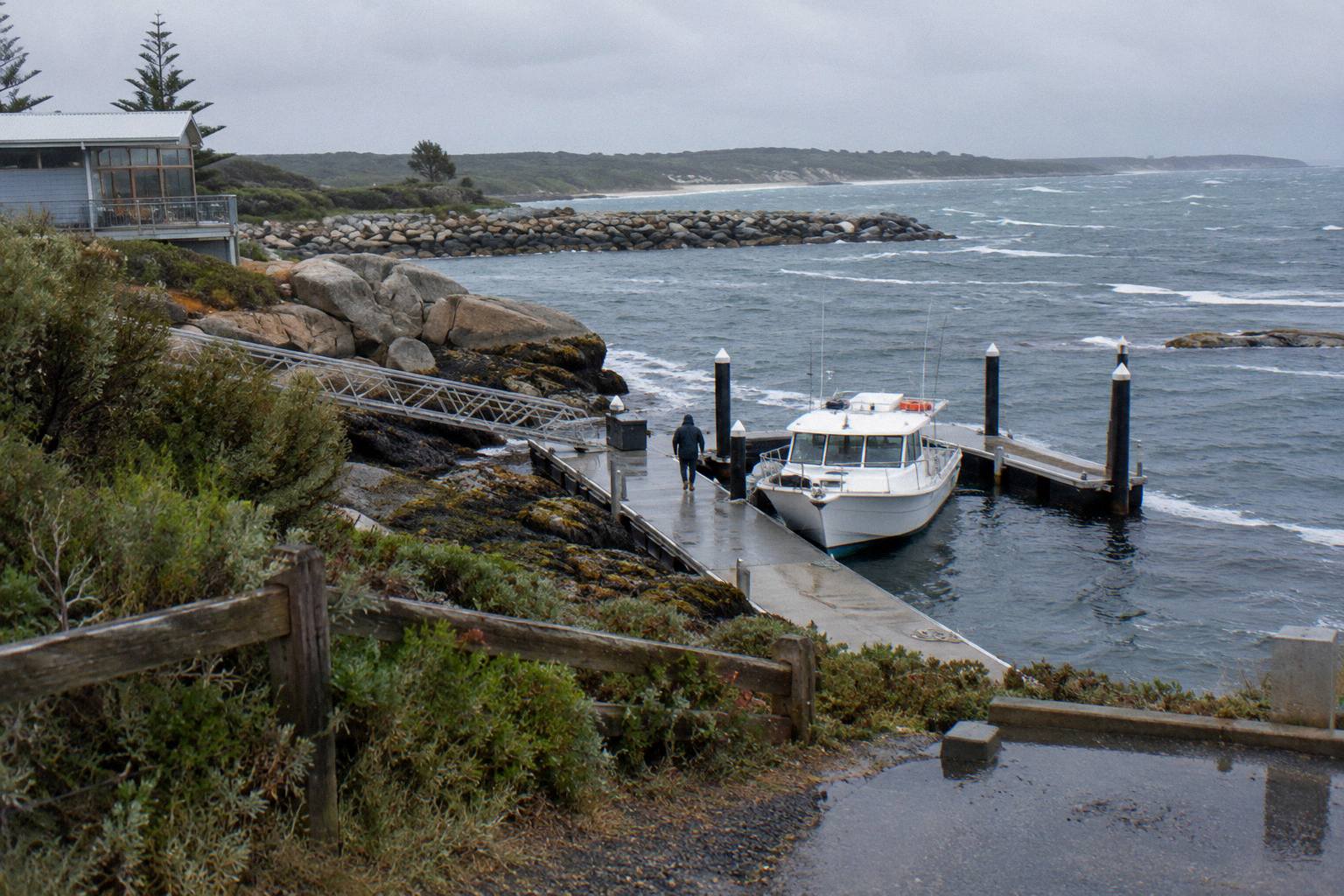
Framing the season this way, by month and species, is the honest substitute for an odds figure. The Department of Biodiversity, Conservation and Attractions notes that humpbacks "begin their southern migration" through these waters, and both Dunsborough operators build their seasons around that movement. Naturaliste Charters runs its Dunsborough season from August to November, described on its FAQ as "mid-August to the end of November". All Sea Charters says "mid August to early December", with the same page naming September to early November as the main window. Two operators, slightly different calendars, same underlying reality: late winter to early summer is when the bay has whales in it.
The blue whale story is the part most first-page summaries get thin. The International Marine Mammal Habitat factsheet for these waters states that "Large numbers of pygmy blue whales ... with calves use Geographe Bay and the Naturaliste Plateau as a narrow transit corridor", estimates the eastern Indian Ocean population at 662 to 1,559 animals, and lists the species as Endangered. A 2014 SouWEST and IFAW research report recorded blue whale song and sightings in Geographe Bay during November surveys. None of that translates into a sighting probability for your cruise, but it does establish that this bay is a genuine, documented transit route rather than a marketing invention.
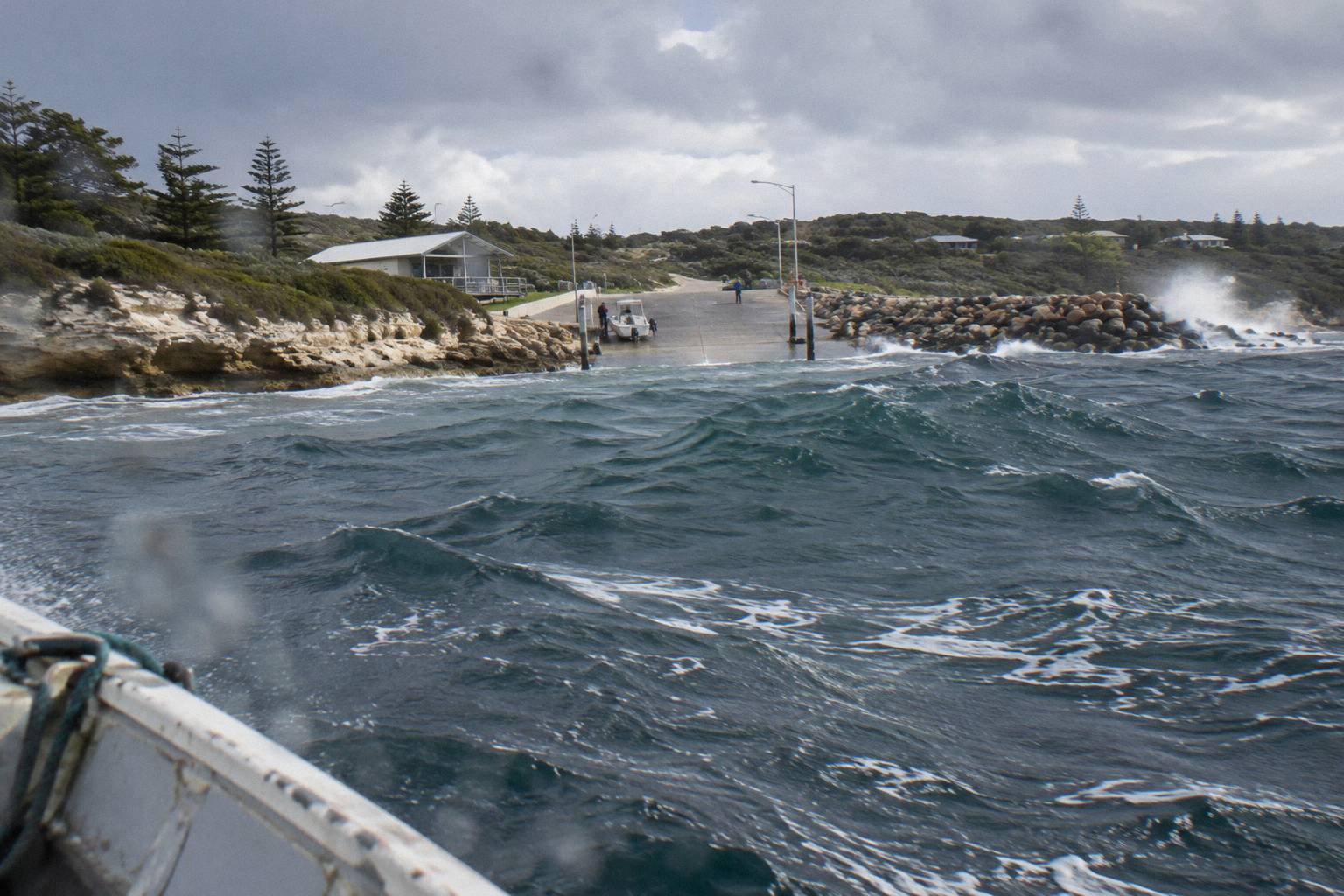
Southern right whales add a second layer. The IMMA factsheet records that southern rights breed and nurse in sheltered south coast waters including Geographe Bay, which is why the mothers-and-calves sightings the operators describe are a real feature of the bay rather than luck. Augusta and Flinders Bay, about 90 km and 1 hour 10 minutes to 1 hour 30 minutes south by road, carry the earlier part of the year, with southern right and humpback whales from May to August per the operator pages.
Here is what is stated, kept strictly to the operators' and habitat sources' own words:
| Species | What is stated, and by whom | Months named |
|---|---|---|
| Humpback | Both Dunsborough operators describe them in the bay; DBCA notes humpbacks "begin their southern migration" | Mid-August or September to November |
| Southern right | Operators describe them; IMMA records southern rights breeding and nursing in sheltered south coast waters including Geographe Bay | Same window; Augusta May to August |
| Blue (pygmy) | Naturaliste says "from October onwards"; All Sea says "occasionally"; IMMA describes the bay as a narrow transit corridor | Mostly October to December |
| Minke | Naturaliste names "October and November" and "chance encounters" | October and November, a chance only |
What no source gives you is a frequency, a count, or a per-cruise probability, and any page that does print one is reaching past the evidence. If you want to dig into the species detail, the guides on humpback whales in Geographe Bay and on telling the species apart cover the identification side, and the blog on whether blue whale sightings from Dunsborough are rare takes the rarest case in depth.
How Should You Read A Free-Return Offer?
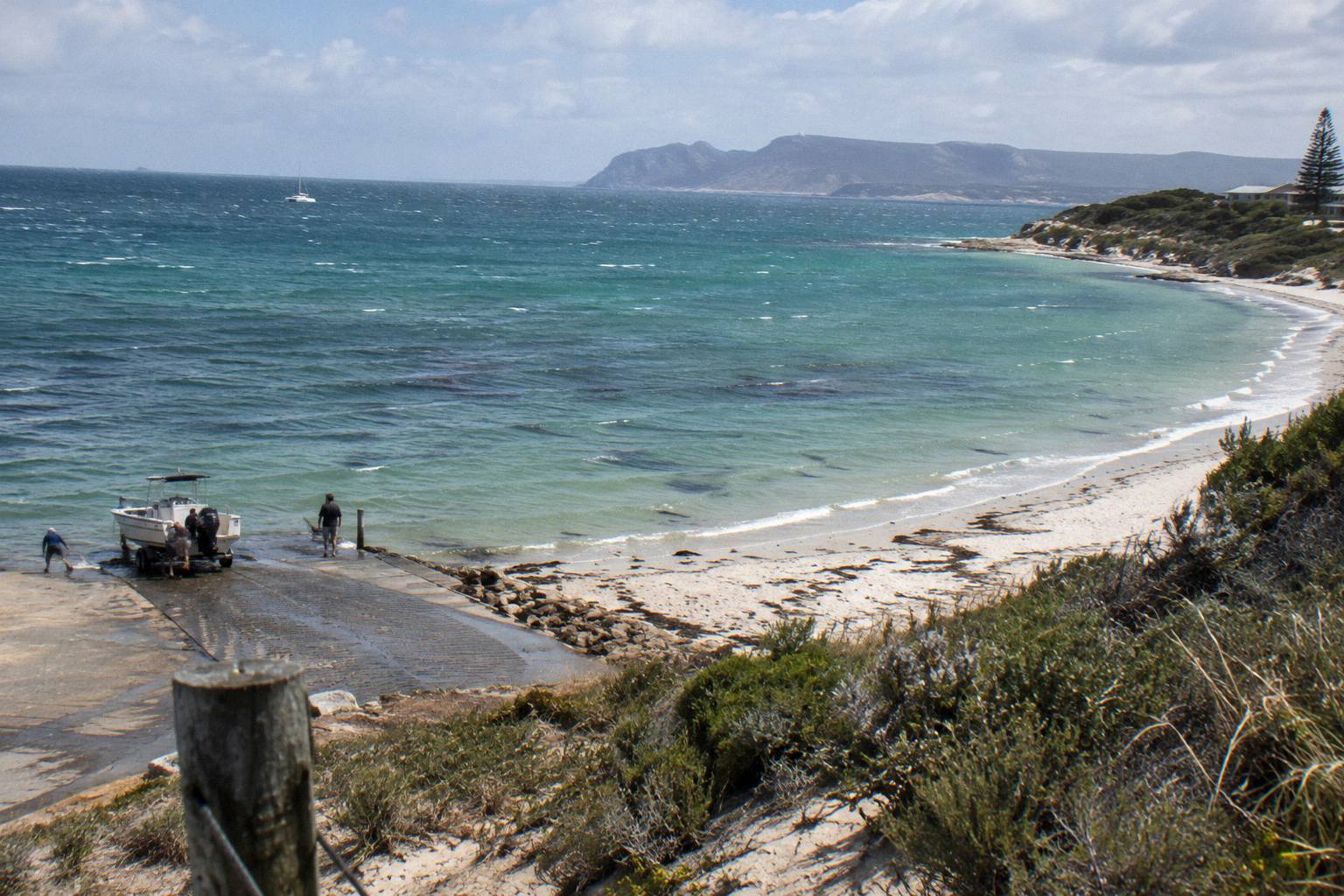
Read a free-return offer as a contract with conditions, not a promise of free whale trips: its real worth depends on whether you will genuinely return within its validity, whether it survives a change of plans, and whether it covers the channel you book through. A two-year, one-tour, non-transferable return has real value for a local or repeat visitor and almost none for a one-off traveller leaving the country.
This is where the decision logic lives, because the wording only matters as much as your ability to use it. A visitor flying home to another country next week cannot redeem a free return, however generous its terms. A Perth local who drives down a few times a year can. The same policy is worth very different amounts to different people, and no operator page will do that arithmetic for you.
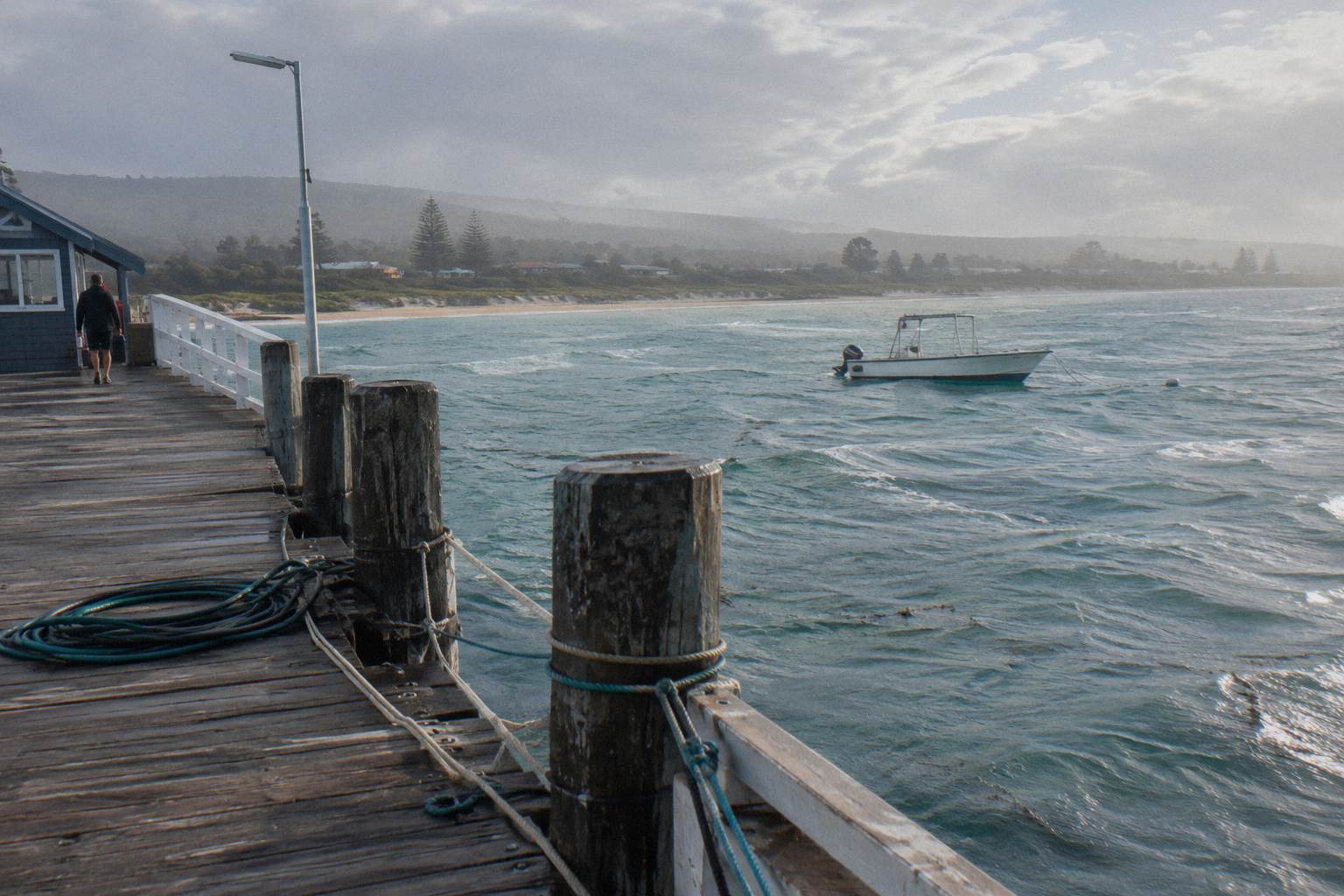
A short checklist of questions to put to the operator before booking covers every gap the published pages leave open. Work through it in one email and you will know more about your actual risk than any percentage could tell you:
| Question to ask the operator | Why it matters |
|---|---|
| Does the free return apply to my booking channel? | The direct-booking terms are published; whether they extend to reseller bookings is not stated |
| How long is the free return valid? | Naturaliste states two years; All Sea's terms are not printed on its page |
| Is the return transferable to another person? | Naturaliste's is not, for direct bookings |
| Does the return need a minimum number of passengers to run? | Naturaliste lists minimum numbers as a condition |
| What happens if weather cancels the return trip? | Weather cancellations are handled separately from sighting terms |
| Is there any refund path, or only a re-book? | Published wording offers a return cruise, not money back |
The pattern across the answers tells you the shape of the deal. If an operator answers all six crisply, you are looking at a well-documented fallback. If the answers are vague, that vagueness is itself information about what a whale-free cruise would actually leave you holding.
It also helps to know how boats behave around whales, since the legal distances shape what "seeing" means on the water. The Biodiversity Conservation Regulations 2018 set a vessel limit of 300 m within a 60 degree arc front or rear of a whale and 100 m to the side, and a person limit of 100 m, as the DBCA's whale watching advice summarises. A sighting at those distances is still a sighting, and often a spectacular one, but it is not a close encounter, and cruises that describe whales near the boat are describing moments the whales themselves create. The blog on whether whales come close to the boat in Geographe Bay covers exactly this, and the one on how close cruise boats can legally get sets out the rules in full.
For travellers deciding between the two Dunsborough-area operators, the listing with the fuller published terms is the one whose fallback you can plan around:
The All Sea Charters cruise is rated 4.8 across 438 reviews, with the price shown on the booking page rather than printed here, and it lists hotel pickup and drop-off among its inclusions, though which departure option carries the hotel pickup is not stated. Its sighting offer is generous in wording; its unpublished terms are the thing to ask about.
Which Cruise Suits Which Kind Of Traveller?
Match the cruise to how you would use a free return, not to a sighting claim. A repeat visitor or local is best served by the operator with published two-year return terms. A one-time visitor through the region might weight boat comfort, departure choice and cancellation flexibility more heavily, since a return they will never take is worth nothing. A traveller fixed to the May-to-August months should be looking at Augusta, not Dunsborough.
Scenario thinking beats percentage thinking every time here, so run yours honestly. A family on a two-week Margaret River holiday in October can use either operator and either fallback: if the first cruise draws a blank, they have the days spare to re-book. A couple on a single weekend from Perth, three hours up the road, has exactly one shot, and for them the free-return wording is close to irrelevant; the 24-hour free cancellation on the booking pages, which all these listings carry, matters more, because it at least protects the money if plans shift before departure.
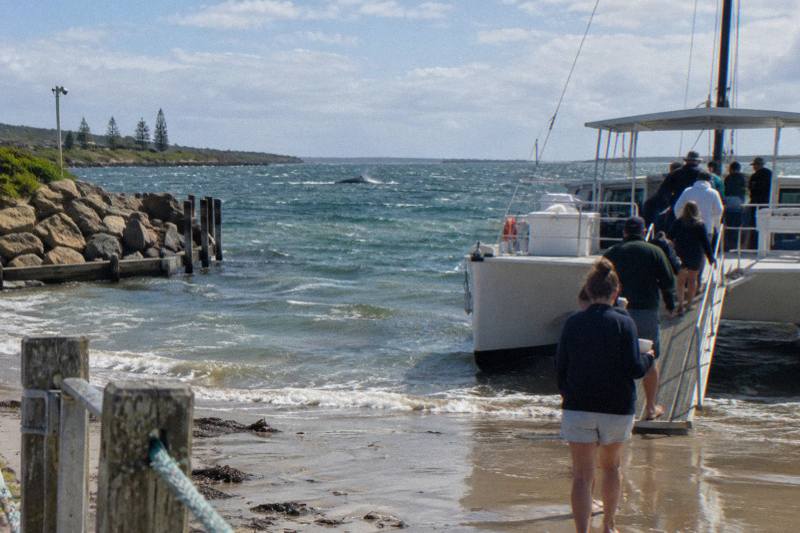
An international visitor leaving Australia after this trip holds the weakest hand of all. No free return is redeemable from another hemisphere, so the decision should rest on everything else the listings state: the vessel, the duration, the inclusions, the departure point. The Dunsborough Whale Watching Tour With Naturaliste Charters lists a 2.5-hour cruise on the Alison Maree, a 23 m catamaran reached by beach boarding via a handrailed ramp, with tea, coffee and biscuits included, daily 10am and 2pm departures from the Professional Fisherman's Boat Ramp at Quindalup. That is a concrete package to weigh, and you can check availability for the Dunsborough cruise to see live dates.
A traveller whose dates fall before mid-August is looking at the wrong town, and the published seasons say so plainly. Augusta's cruises run May to mid-August, roughly a 90 km drive south, which makes the choice geographic before it is anything else. The guide comparing Dunsborough or Augusta for a whale cruise works through that trade-off, and the Augusta option carries its own listing:
The Augusta Whale Watching Tour With Naturaliste Charters is rated 3.9 across 14 reviews, a small pool best read as a handful of travellers' verdicts rather than a settled consensus, and its booking page shows AUD 71 per person. Its booking page carries the "see whales or join us again for free!" line quoted earlier, which is worth reading in full before relying on it.
One more scenario deserves its own line: the traveller who would rather not bet on a boat at all. The land-based Coastal Wildlife Eco Tour, runs a 3.5-hour coastal walk and drive with pickup included, and shore watching from the Cape Naturaliste lighthouse coast is a real alternative in season. The guide on whales from the shore at Cape Naturaliste covers it. Shore watching carries the same uncertainty as any cruise, with no free-return wording at all, which is worth remembering the next time a boat's marketing reads as certainty.
What If The Whales Simply Do Not Show?
If no whales appear, you still get the cruise you booked: the boat, the commentary, the bay, and whatever else surfaces, which often includes dolphins at the bow wave. What happens next is set by the operator's published fallbacks, a free return under their terms, and nothing about the day is refundable as a matter of right, so check those terms before you pay.
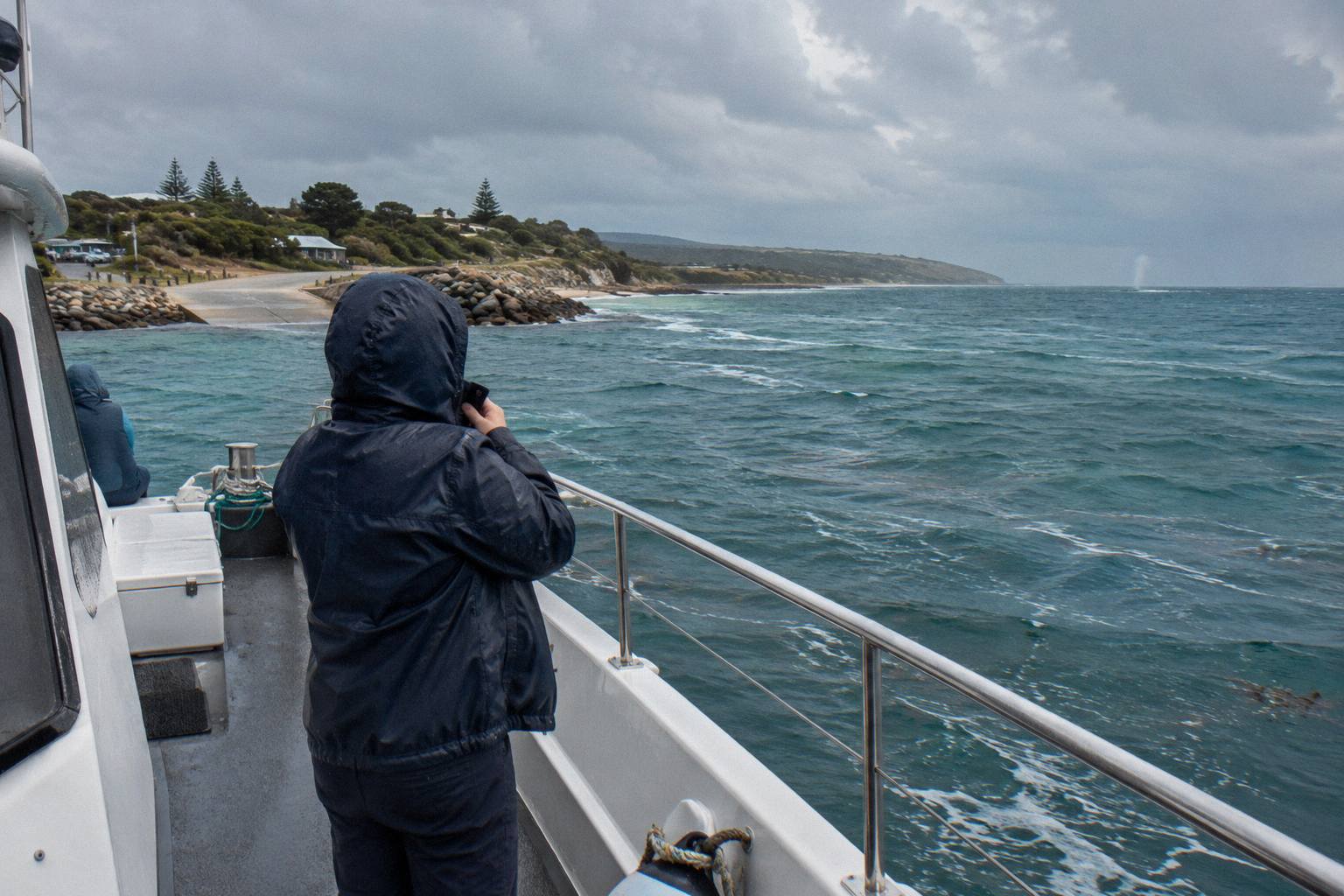
It is worth being blunt about the emotional economics, because this is the outcome the whole odds question is really probing. Nobody books a whale cruise hoping for an empty bay. But an empty-bay cruise in Geographe Bay in spring is still a couple of hours on calm, sheltered water inside a documented whale transit corridor, with tea in hand and crew who spend their working lives reading that water. Some travellers will feel shortchanged regardless. Others will count the dolphins, the seabirds and the coastline as a fair swap plus a return ticket for next time. Knowing which kind of traveller you are, before you book, is worth more than any percentage.
The legal and ecological backdrop supports a realistic expectation rather than a pessimistic one. The IMMA factsheet documents Geographe Bay as a transit corridor used by large numbers of pygmy blue whales with calves, and the operators' own season descriptions, backed by the DBCA's migration notes, put humpbacks and southern rights in the bay across the same spring months. None of that promises a sighting on any given departure. All of it explains why this bay, of all the places on the west coast, sustains a whale cruise industry at all.
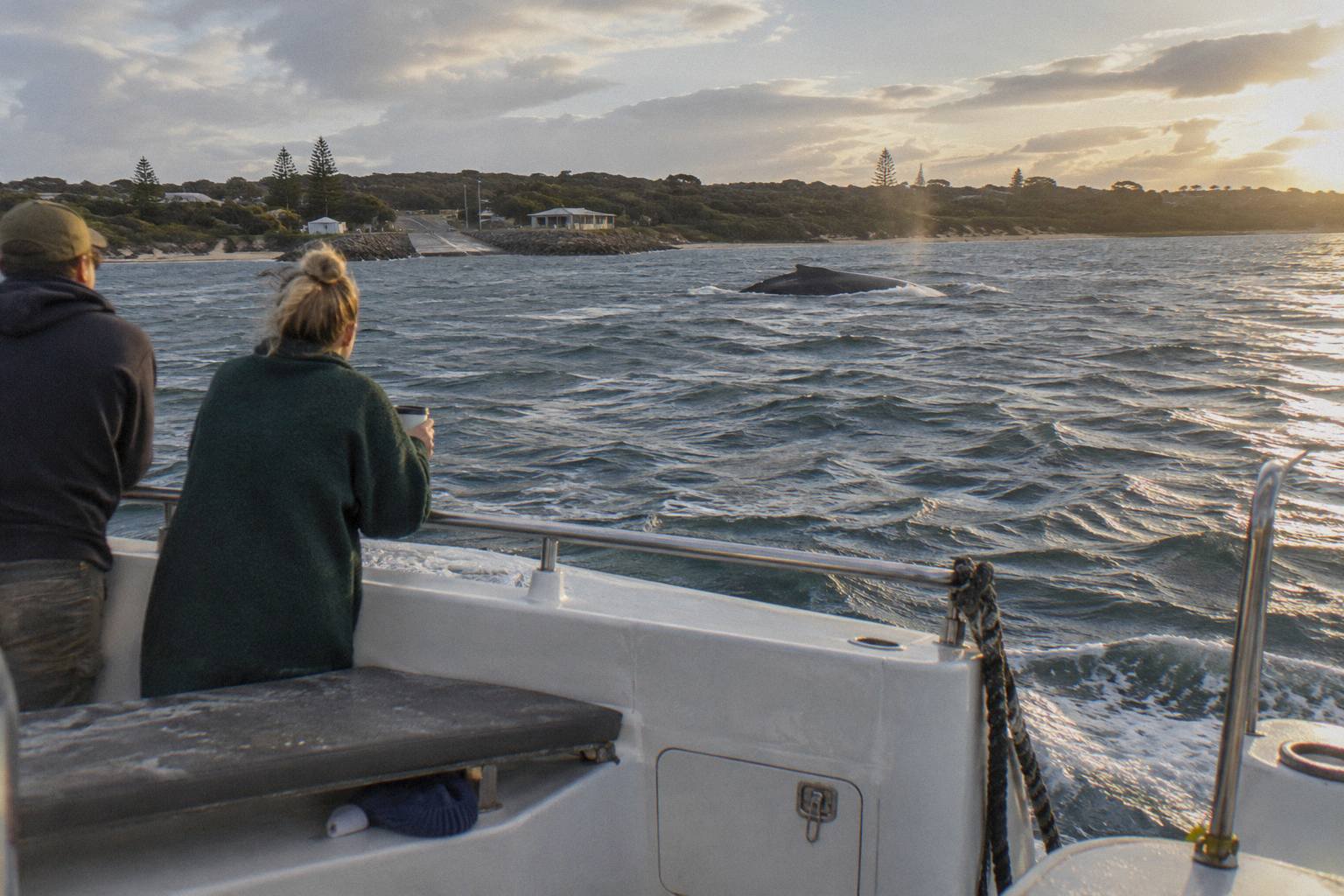
So the practical answer to the odds question is a three-part check. First, book inside the months the operators name, mid-August or September through November for Dunsborough, using the month-by-month guide if your dates are near the edges. Second, read the sighting wording for the specific operator and tour you are booking, and ask the unpublished-term questions from the checklist above before paying. Third, weigh the fallback against your own travel pattern, since a free return only has value you can actually collect. Do those three things and you have managed the risk as far as it can be managed, which is further than most booking pages will manage it for you.
If that framework has you ready to compare the actual cruises, the three listings with published sighting terms side by side are here:
Common Questions About Whale Sighting Odds
What Are The Odds Of Seeing A Whale On A Cruise From Dunsborough?
No verified odds figure exists, and any percentage an operator prints is its own marketing figure rather than an audited statistic. The honest substitutes are the season the operators describe, humpback and southern right whales in the bay from mid-August or September to November, and each operator's published wording on what happens if no whales are sighted.
Is A Whale Sighting Guaranteed On A Dunsborough Cruise?
No sighting of a wild animal can be guaranteed. One operator's Dunsborough page headline uses the phrase "Guaranteed Whale Sightings", which is the operator's own headline; the substantive wording is its no-sighting policy, offering a free return under stated conditions for direct bookings.
What Does The Free Return Actually Cover?
For Naturaliste Charters direct bookings, the free return is valid for two years, covers one tour only, is non-transferable, and is subject to availability, weather and minimum numbers. All Sea Charters offers a free comeback if no whales are seen, but its terms are not printed on the page, so ask the operator before booking.
Does The Free Return Apply If I Book Through A Reseller?
That is not stated in any published terms. The published conditions are direct-booking terms, and resellers can carry different conditions. Ask the operator, before you pay, whether the no-sighting return applies to the booking channel you are using.
Which Month Gives The Best Chance Of A Sighting?
No source publishes chances by month. What is stated: operators describe humpback and southern right whales from mid-August or September to November, blue whales mostly from October to December, and minke whales as a chance in October and November. Augusta, not Dunsborough, carries the May to mid-August window.
What Happens If The Cruise Is Cancelled For Weather Instead?
That is handled under cancellation terms, not sighting terms. Naturaliste Charters' direct-booking terms provide a transfer or refund of the tour fare when the operator cancels for weather or sea conditions, and every listing in this article carries free cancellation up to 24 hours before departure on its booking page.