Is A Whale Cruise Safe For Passengers From Dunsborough?
A plain look at whale cruise safety from Dunsborough: the legal approach distances, on-board facilities, weather calls, seasickness and boarding, using only what operators and Western Australian law actually state.
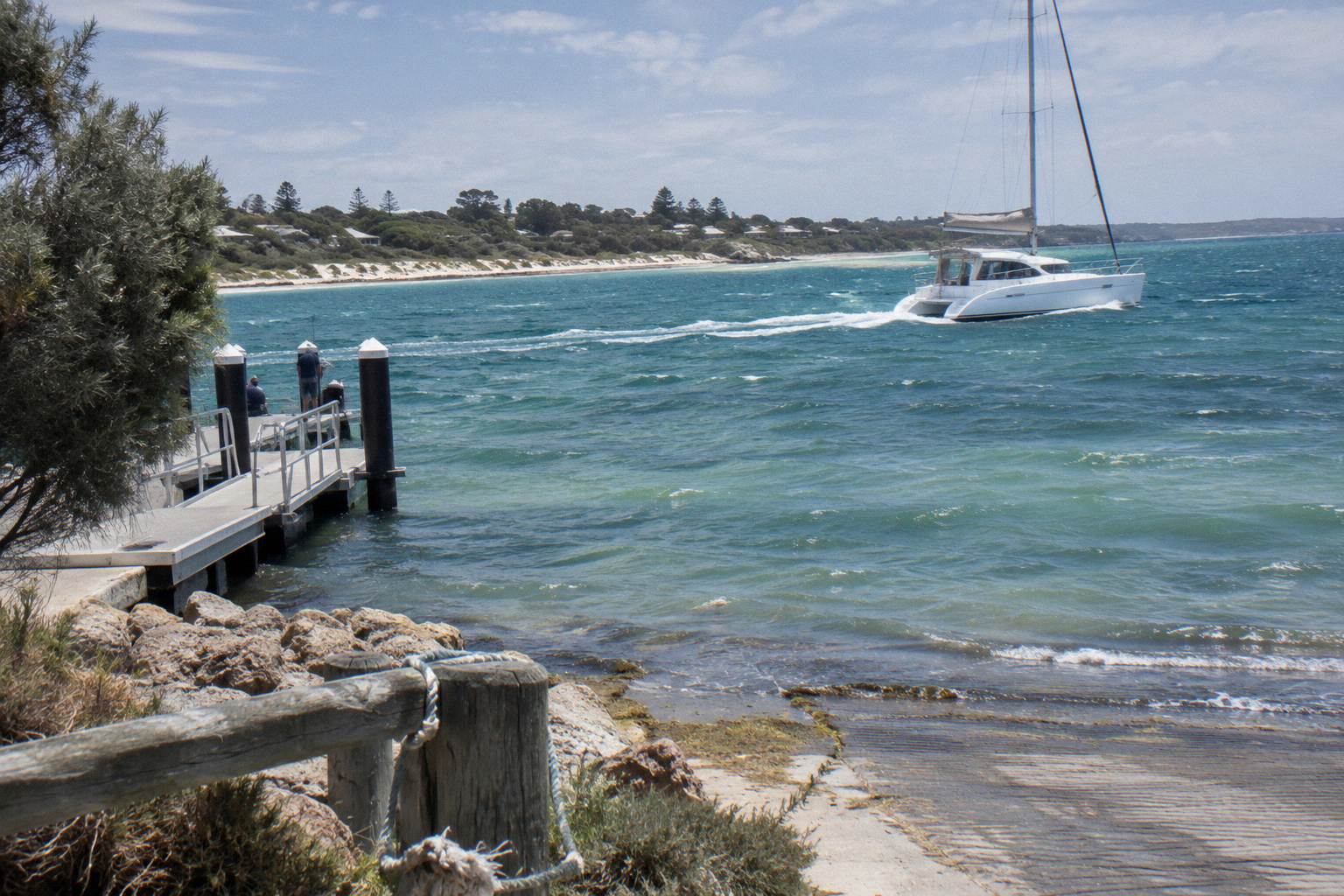
Whale cruises leave Quindalup ramp most days from mid-August to the end of November, carrying families, school groups and visitors who have never been on open water before. The safety question is therefore a fair one, and it deserves a better answer than a shrug. This article works only from what is verifiable: the Biodiversity Conservation Regulations 2018, the state government's own marine wildlife guidance, and the safety statements the two Dunsborough operators publish about their own vessels. Where something is not stated by any of those sources, it says so, rather than guessing.
Two honest limits up front. No source available here publishes incident statistics, vessel survey records or crew qualifications for these operators, so none appear. And no cruise from Dunsborough offers swimming with whales: Western Australian law makes that clear, and the licensed in-water humpback program exists only at Ningaloo, far to the north. What follows is about watching whales from a boat, which is the only product actually sold on this coast.
Yes, on the evidence available a whale cruise from Dunsborough is a safe, supervised boat trip on a sheltered bay, run by licensed operators under some of the strictest approach-distance rules in the country, with life jackets carried for all passengers. The cruise runs about 2 hours in a bay with sea temperatures of roughly 17 to 19 degrees Celsius in season, and free cancellation up to 24 hours keeps your commitment reversible.
"Safe" is doing a lot of work in that sentence, so it pays to break it into the parts a passenger can actually check. A whale cruise involves three separate risk surfaces: the boat and its equipment, the sea and the weather, and the whales themselves. Each is governed by something different. Equipment is the operator's responsibility, weather calls sit with the operator's own terms, and whale behaviour sits under state law, which sets mandatory distances for every vessel on the water, tour boat or not.
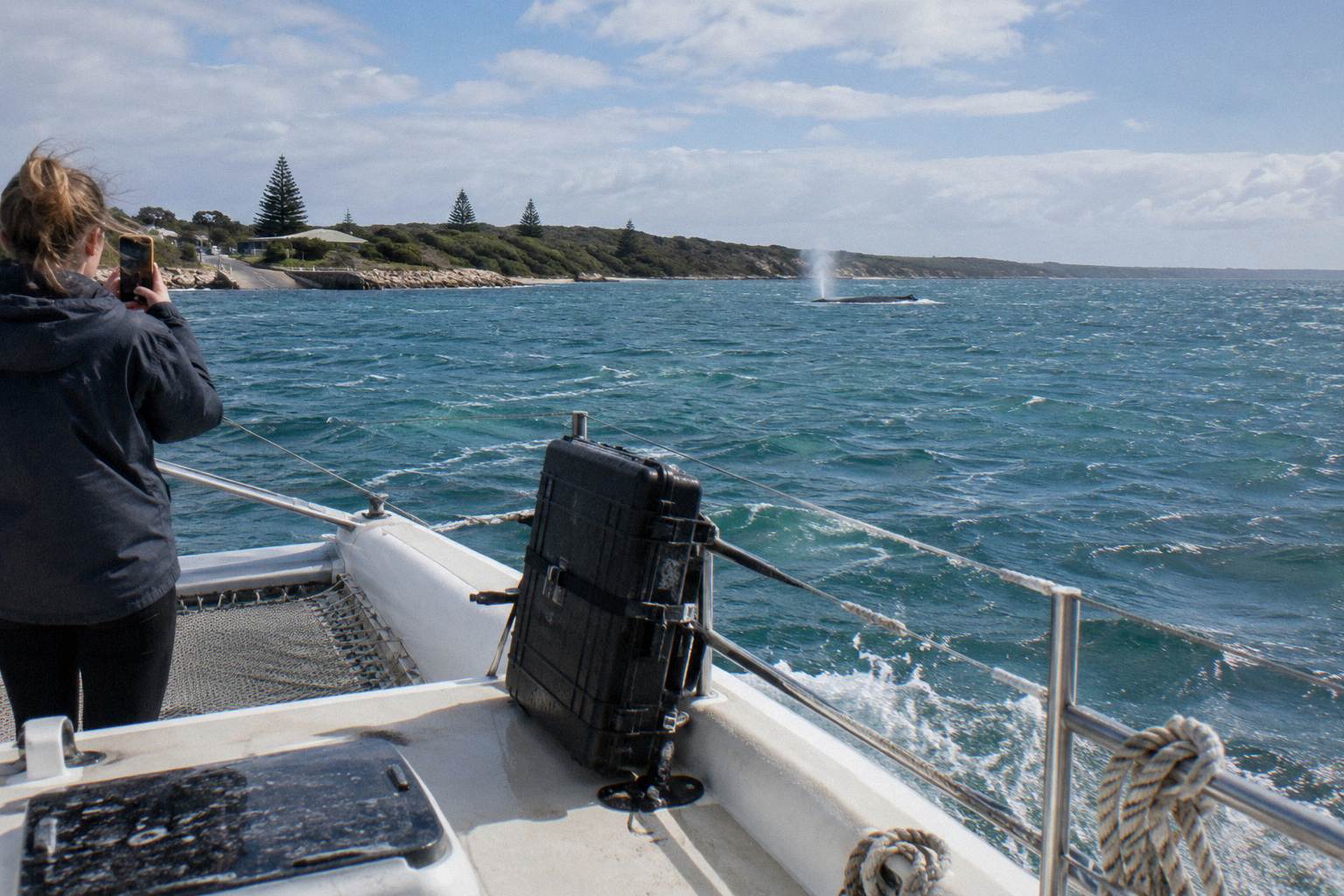
The whales deserve the first word, because they are the part people worry about most. Humpbacks and southern right whales are wild animals the size of a bus, and no operator or regulator pretends otherwise. What the law does is keep a buffer: a vessel must stay at least 100 metres to the side of a whale, and 300 metres when positioned in the arcs in front of or behind it, precisely the zones where a surfacing whale would startle a boat. Those rules, covered in detail further down, apply to every cruise on this coast, not just the ones sold to tourists.
The sea surface is the more ordinary concern. Geographe Bay is a north-facing bay, sheltered from the prevailing southwest swell, which is why the whale fleet bases itself here rather than on the exposed south coast. The Bureau of Meteorology's Cape Naturaliste station records mean daily maximums rising from 16.6 degrees Celsius in August to 21.6 in November, with mean rainfall falling from 113 mm in August to 25.3 mm in November: late season trips generally run in calmer, drier, warmer conditions than early ones. For a fuller month-by-month picture, see the Geographe Bay whale season month by month.
The booking itself carries a safety valve of its own. Every tour covered on this site shows free cancellation up to 24 hours before departure on the booking page. If the forecast turns, or a child wakes up unwell, the reservation is not a trap. That 24-hour window is the booking pages' own wording and applies to the booking-page purchase; terms differ for bookings made direct with the operator, and those are set out further down.
If the question in your head is simply "which cruise do I book", the three Dunsborough-area whale cruises below are the ones this site covers, each with its rating and review count stated plainly.
The featured option, the Dunsborough Whale Watching Tour With Naturaliste Charters, is rated 4.7 across 137 reviews, is listed at 2.5 hours, and shows AUD 71 per person on the booking page, a price that can change. Its safety statements, and those of its competitor, are examined side by side in the next section.
What Safety Equipment And Facilities Are Actually On Board?
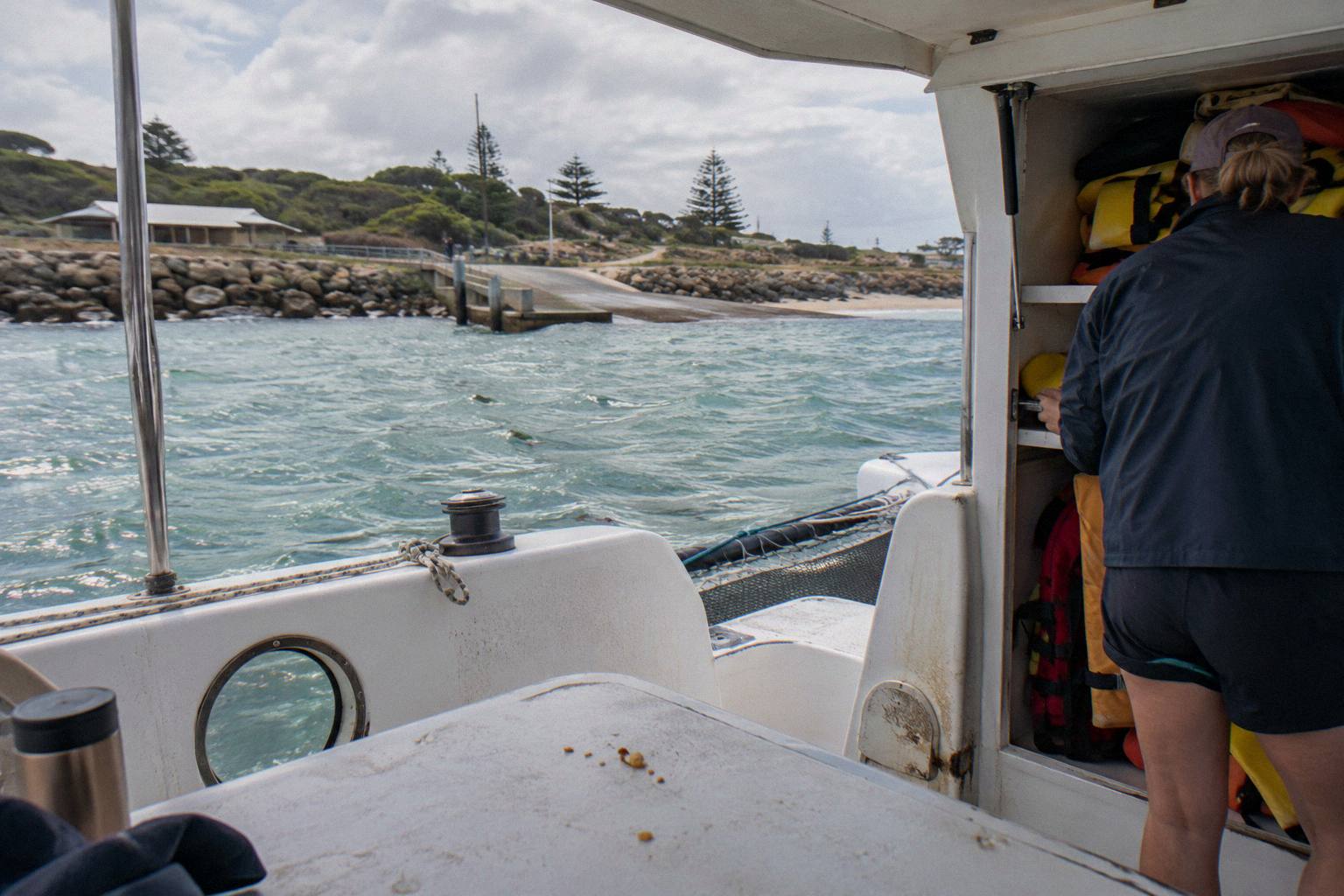
Naturaliste Charters states its Dunsborough cruise carries life jackets for all passengers, has two toilets with hand washing, and serves complimentary tea, coffee and filtered water. All Sea Charters states its vessel Whale Song has a climate-controlled cabin, two outside decks, an accessible toilet and anti-nausea wristbands on board. Neither operator publishes vessel survey or crew qualification records, so those claims, and only those, are what a passenger can verify before booking.
Equipment statements are operator statements, and this site reports them as such rather than auditing them. Still, the two operators between them publish a reasonably full picture of what a passenger will find on deck, and it compares well with what a first-timer might expect from a small-boat experience.
| Stated by the operator | Naturaliste Charters, Dunsborough | All Sea Charters, Dunsborough |
|---|---|---|
| Vessel | Alison Maree, a 23 m catamaran, boarded via the Indi Maree | Whale Song, a 17 m aluminium catamaran |
| Life jackets | Life jackets for all | Not stated on the pages available |
| Toilets | Two, with hand washing | One accessible toilet |
| Cabin | Not stated in the pages available | Climate-controlled cabin |
| Food and drink | Tea, coffee, milo, green tea, filtered water, biscuits included; soft drinks and snacks for sale | Tea and coffee onboard |
| Seasickness help | Precaution advice on its FAQ | Anti-nausea wristbands on board |
| Duration | About 2 hours, up to 3 depending on sightings | Approximately 2.5 to 3 hours |
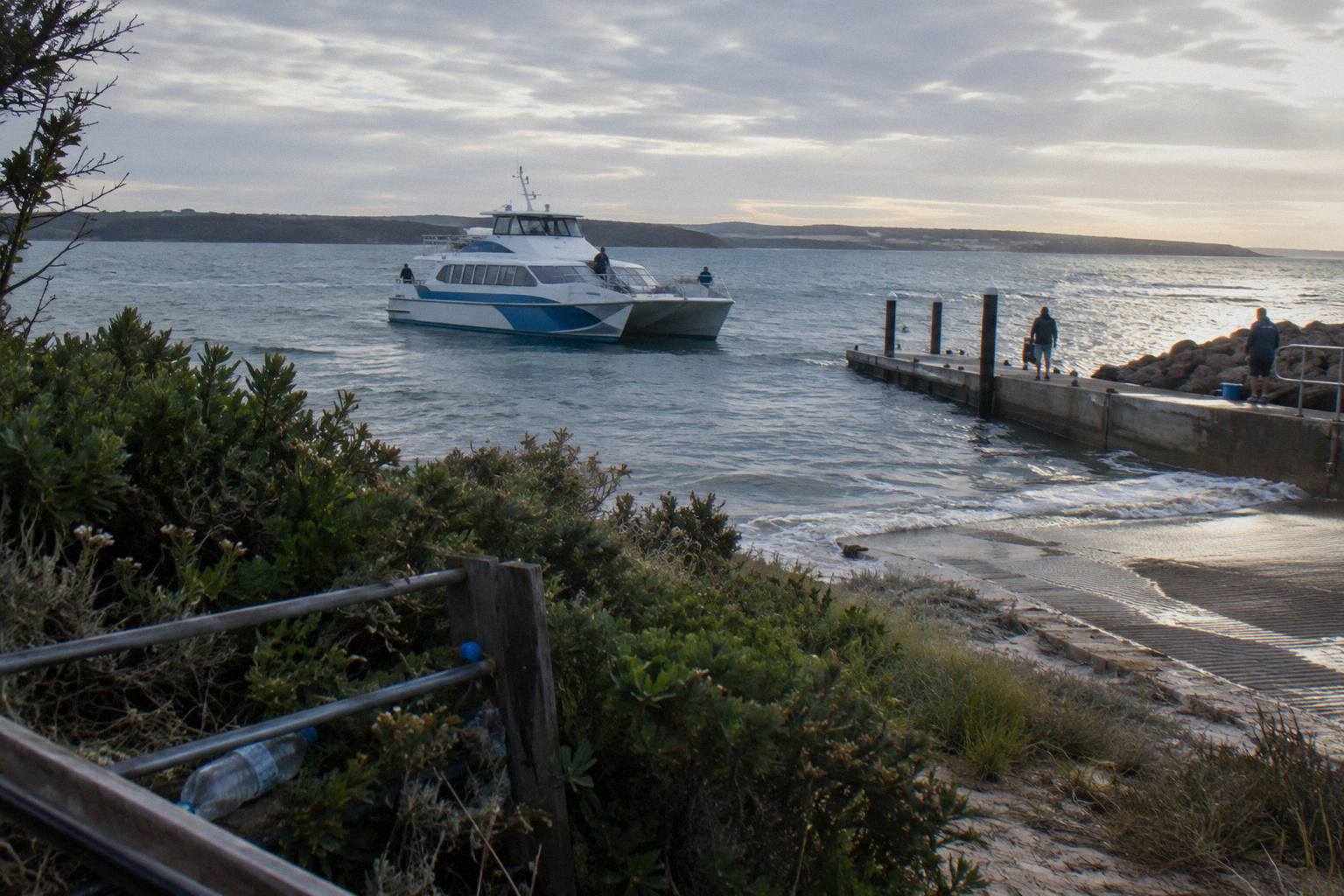
A 23-metre catamaran is not a dinghy. The Alison Maree is large enough to carry two toilets, an indoor space and a bow transfer from a smaller boarding vessel, and the cruise spends its time inside Geographe Bay rather than crossing open ocean. Whale Song, at 17 metres, is smaller but still a twin-hulled vessel with an enclosed, climate-controlled cabin, which matters both for comfort and for giving seasick passengers a stable place to sit out a rough half hour.
One gap worth naming: neither operator's published pages state crew qualifications, vessel survey status or formal safety certifications, and this site will not invent them. A passenger who wants that level of assurance should ask directly before booking, and the section on questions to ask an operator, further down, gives a short list. An operator with nothing to hide answers that kind of email quickly.
Between the two vessels, the practical difference for a nervous passenger is the wristbands versus the layout. All Sea Charters puts anti-nausea wristbands on board as standard. Naturaliste Charters instead publishes plain precaution advice, take medication per the packaging, stay outside, watch the horizon and avoid heavy meals, which is the same advice a pharmacy would give, minus any promise of a cure, because the operator makes none.
How Close Do Boats Legally Get To Whales?
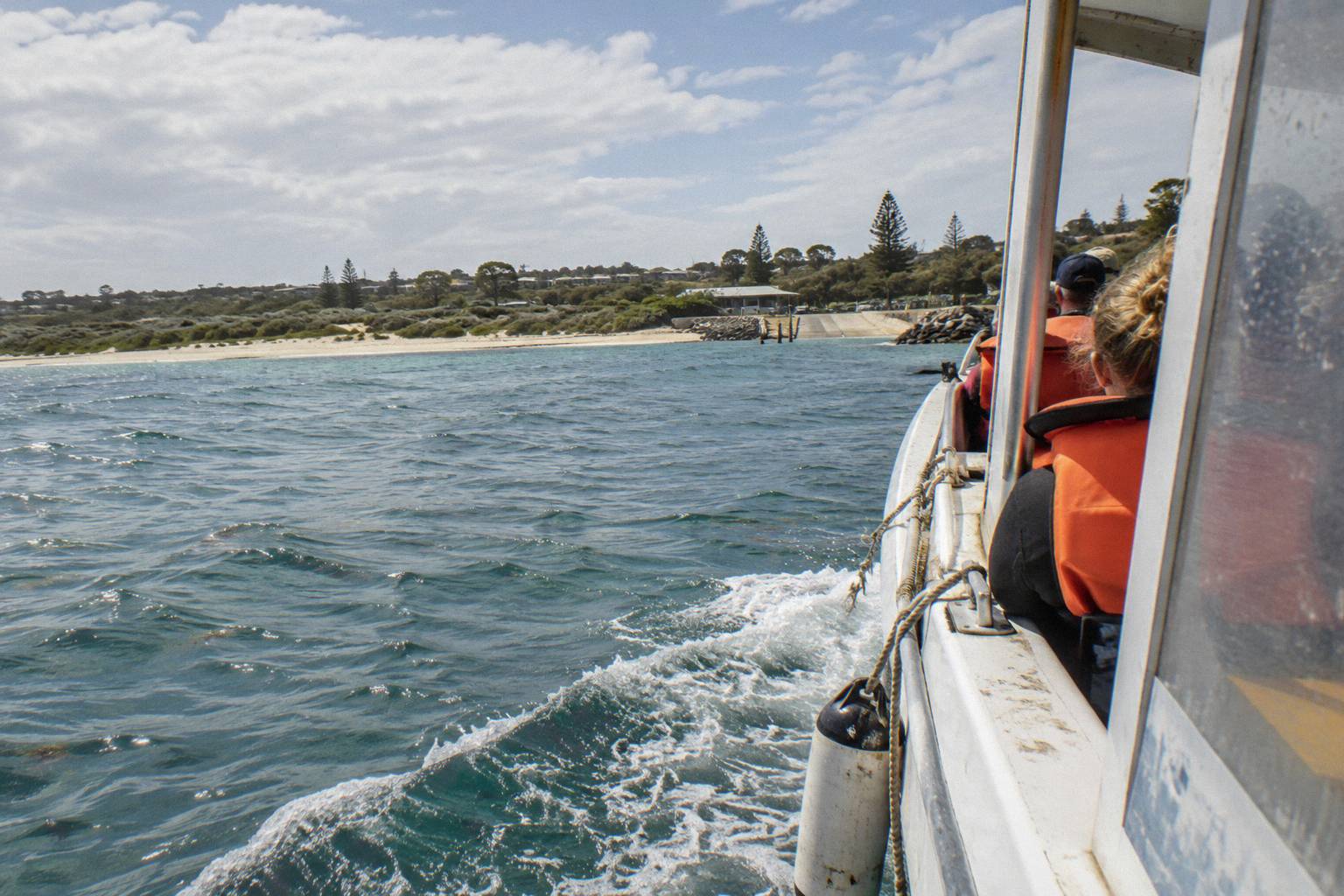
Under Western Australian law, boats must stay at least 100 metres to the side of a whale and at least 300 metres within a 60 degree arc in front of or behind it, while people must keep 100 metres away and drones at least 60 metres. Breaching these limits is an offence carrying a AUD 5,000 fine, and if a whale approaches, the vessel must go into neutral or move away at no more than 6 knots.
These figures come from the Biodiversity Conservation Regulations 2018, Part 5 Division 2 and Schedule 5, and they apply to every vessel on the water, from a kayak to a charter catamaran. The full official text is published by the Western Australian legislation office. The design of the rule is the interesting part: the 300-metre arc in front of and behind the whale protects the boat from the animal's blind spots, while the tighter 100-metre rule to the side permits the side-on viewing approach the Department of Biodiversity, Conservation and Attractions recommends.
| Who or what | Required distance from a whale | Required distance from a dolphin |
|---|---|---|
| A person in the water | 100 m | 50 m |
| A vessel, to the side of the whale | 100 m | 100 m |
| A vessel, in the 60 degree arc front or rear | 300 m | Not stated as a separate rule |
| A drone | 60 m | Not stated |
| An aircraft | 300 m | Not stated |
| A helicopter | 500 m | Not stated |
Regulation 114 is the clause that answers the question most passengers actually ask: what happens if the whale comes to us? The law anticipates it. If a whale approaches a vessel inside the legal distance, the person in charge must put the vessel in neutral or switch off, or move away at no more than 6 knots until the distance is restored. In other words, the burden of safe separation falls on the boat, and the manoeuvre is a slow, deliberate one, not a panic turn. A swimmer approached by a whale must likewise move away.
The operators themselves print little of this. Naturaliste Charters' FAQ says only that its vessels keep "a specific distance", without a figure, which is why the numbers above are attributed to the regulations rather than to any tour company. For a deeper look at the rule itself, see how close whale cruise boats can legally get. DBCA's public advice adds behaviour to the numbers: approach from the side only, and abandon the interaction at any sign of distress, guidance the department publishes on its southern migration page.
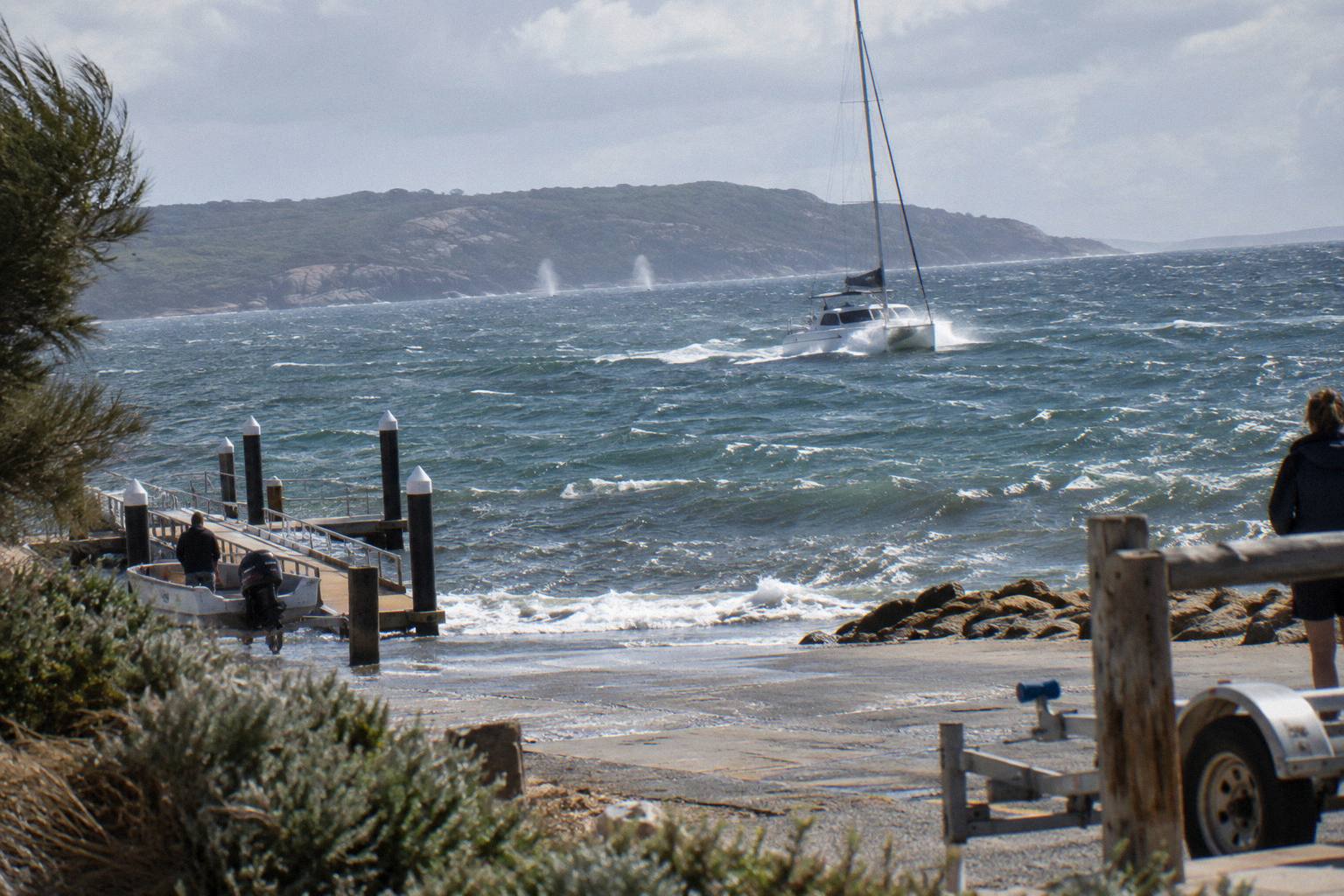
One consequence of these distances is worth spelling out for photographers and drone owners. A drone flown closer than 60 metres to a whale commits the same offence as a boat that crowds one, and the fine applies to the individual, not to a company. Passengers who travel with a drone should leave it in its case on a whale cruise, or check the rules before flying anywhere near the bay in season.
Can Weather Or Rough Seas Cancel A Cruise?
Yes, and that is a safety feature, not a flaw. Naturaliste Charters' direct-booking terms state that if the operator cancels for weather or sea conditions, guests are offered a transfer or a refund of the tour fare. Every booking page covered here also shows free cancellation up to 24 hours before departure. Weather calls on the day rest with the operator, whose commercial interest in running is balanced by the legal and reputational cost of an incident.
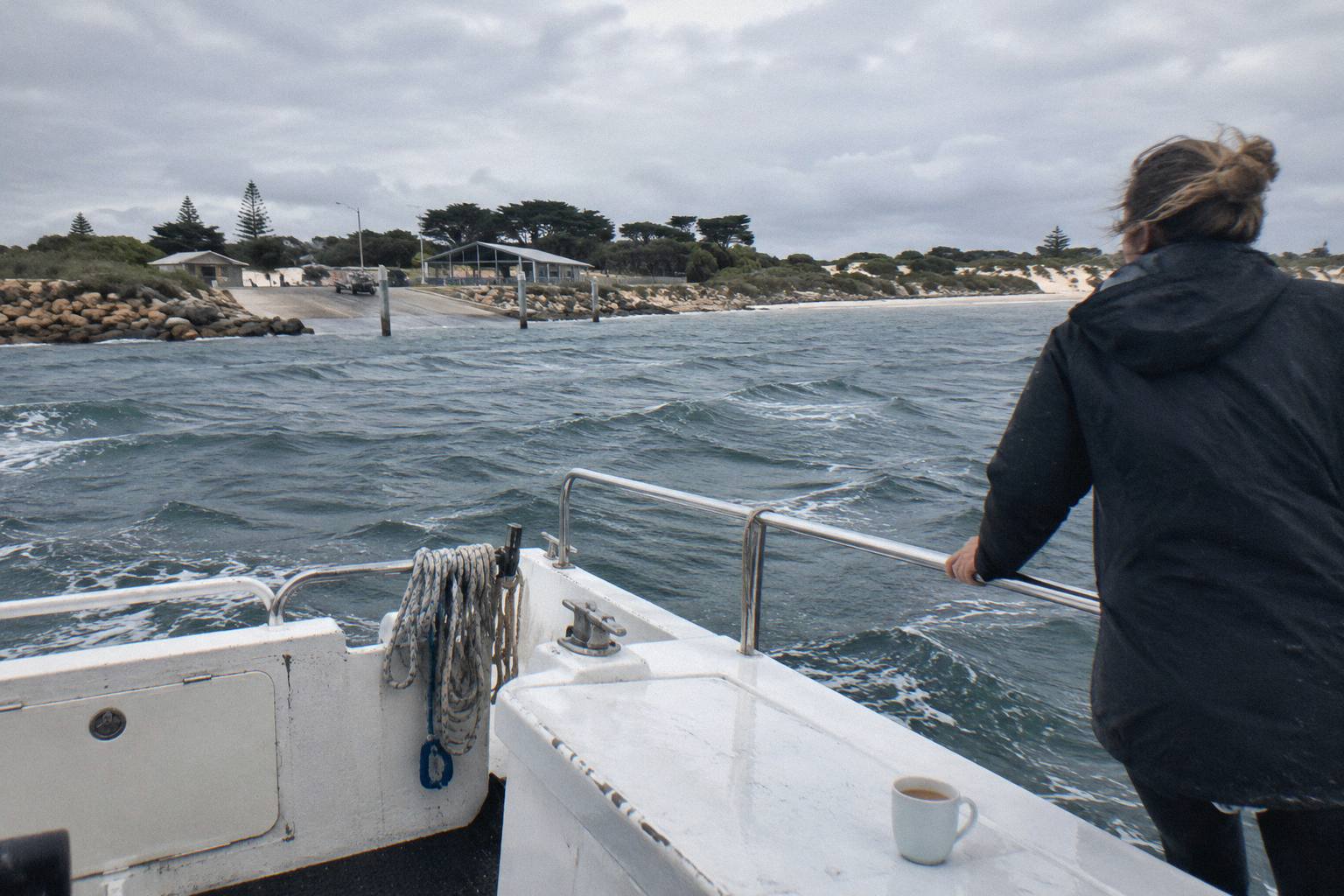
The interesting detail in Naturaliste Charters' terms is how the burden splits. When the operator cancels for weather or sea conditions, the guest gets a transfer or a refund of the tour fare, though the online booking fee is generally non-refundable. When the guest cancels a direct booking, the scale runs the other way: more than 14 days ahead costs 20% of the fare, 8 to 14 days costs 50%, and 7 days or fewer costs 100%, with no refund for no-shows or late arrivals. Those are terms for bookings made direct with the operator; a booking-page purchase carries the page's own 24-hour free cancellation window instead. All Sea Charters' cancellation policy was not found on its published pages, so nothing is claimed for it here.
Seasonality shapes the odds of a weather call. The Bureau of Meteorology's averages for Cape Naturaliste show August with 113 mm of mean rainfall against November's 25.3 mm, so an early-season booking carries a materially higher chance of a postponed departure than a late one. None of this makes a cruise unsafe; it makes it cancellable, which is the correct failure mode for a weather-dependent activity. Advice on dressing for the conditions is collected in what to wear on a whale cruise in Western Australia.
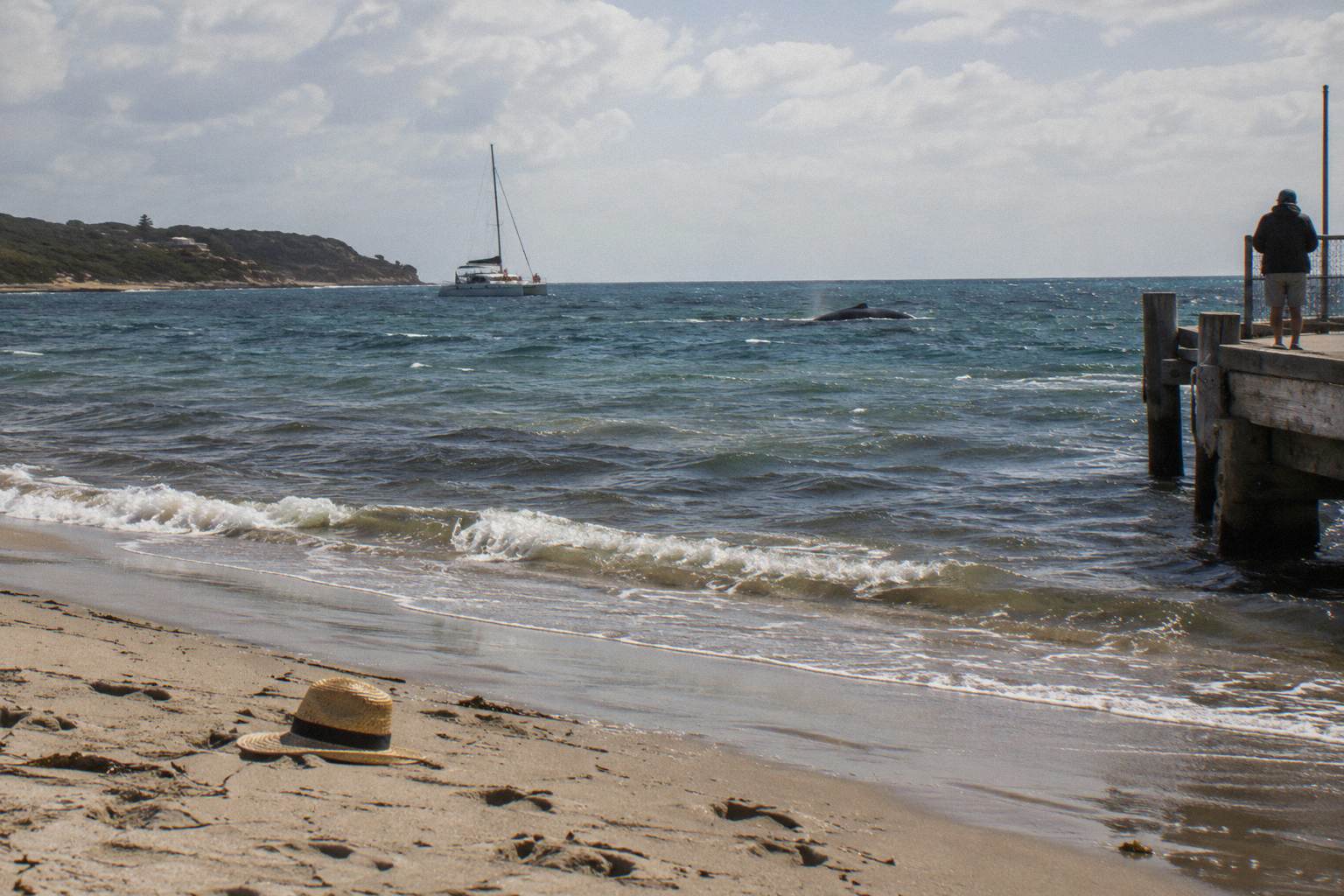
Passengers hold one card the operator does not: the 24-hour window. Checking the forecast two days out and cancelling free of charge, then rebooking if the pattern settles, costs nothing on the booking page and removes the worst of the gamble. It will not save a booking from a same-morning wind change, but it catches most frontal systems, which in the southwest typically announce themselves days ahead.
What About Seasickness On The Bay?
Seasickness is the most common comfort problem on a whale cruise, and the operators treat it as manage-able rather than curable. Naturaliste Charters advises taking medication per the packaging, staying outside, watching the horizon and avoiding heavy meals, and makes no claim of a cure. All Sea Charters carries anti-nausea wristbands on board Whale Song. Medication timing and suitability are questions for a pharmacist or doctor, not a tour office.
The honest framing matters here. Roughly speaking, the people who suffer on whale cruises suffer early, on the way out, before the boat slows near whales and the horizon steadies the inner ear. That is why both operators' advice points the same direction: be outside, eyes on the horizon, not in a cabin reading a phone. Geographe Bay's shelter helps, but a two-to-three-hour cruise in a spring breeze can still move a stomach. The practical playbook, including medication timing, is laid out in seasickness on a Geographe Bay whale cruise.
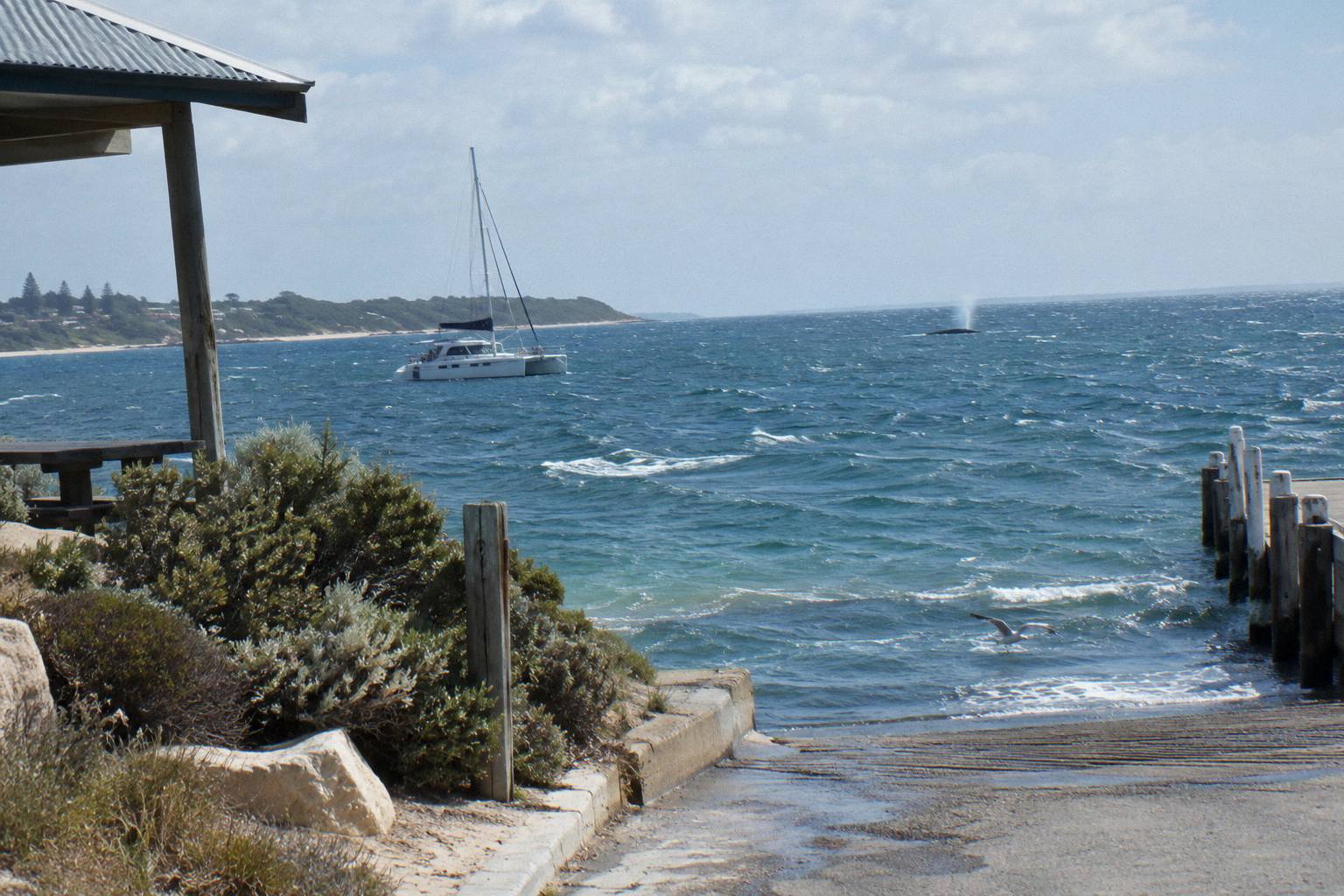
The two operators differ in what they physically offer. Naturaliste Charters' FAQ approach is advisory: precautions help, medication per packaging, outside deck, horizon, light meals. All Sea Charters states that anti-nausea wristbands are available on board, which for passengers who prefer not to medicate is a genuine differentiator, though wristbands, like medication, suit some bodies and not others. Neither approach is a guarantee, and neither operator pretends otherwise, which is itself a small marker of honesty in the marketing.
All Sea Charters' Dunsborough cruise is the one that also lists tea and coffee onboard and hotel pickup and drop-off among its inclusions, though which departure option carries the hotel pickup is not stated. It runs approximately 2.5 to 3 hours, is rated 4.8 across 438 reviews, and the price is shown on the booking page rather than printed here.
The duration question deserves its own sentence, because a nervous passenger books the shorter trip, and the listed durations are not all identical. The Naturaliste Dunsborough cruise is listed at 2.5 hours, with the operator describing about 2 hours on the water and up to 3 depending on sightings. All Sea Charters says approximately 2.5 to 3 hours. The Augusta trip with Naturaliste is listed at 2 hours. Sighting-chasing extends trips, so anyone who feels strongly about a hard finish time should say so when booking.
Is Boarding Safe For Kids And Older Passengers?
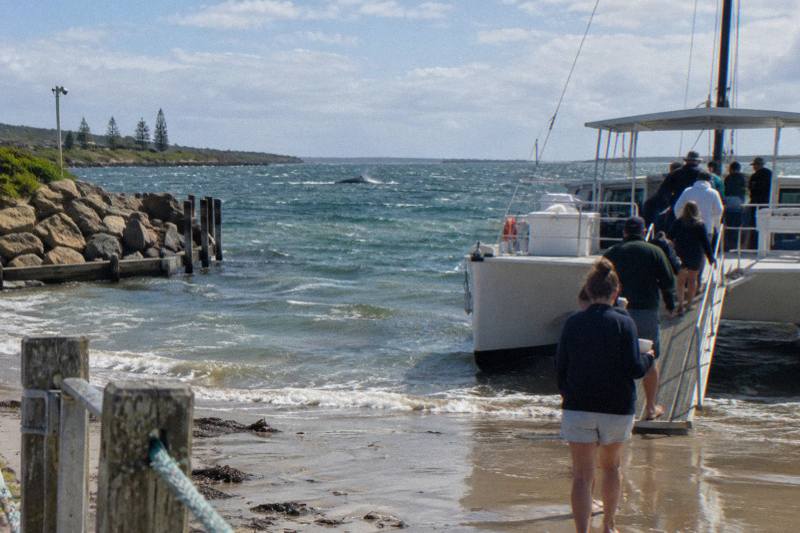
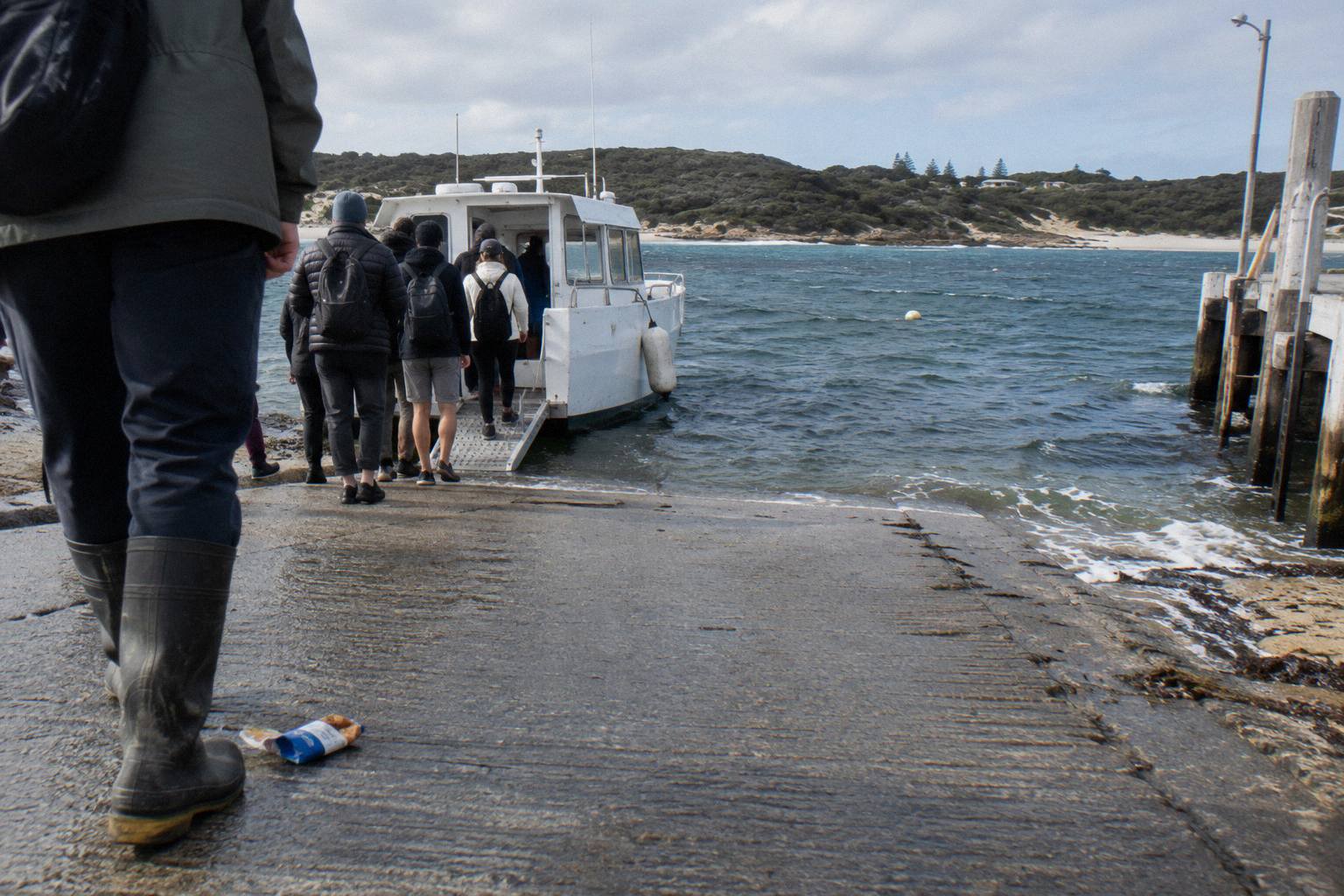
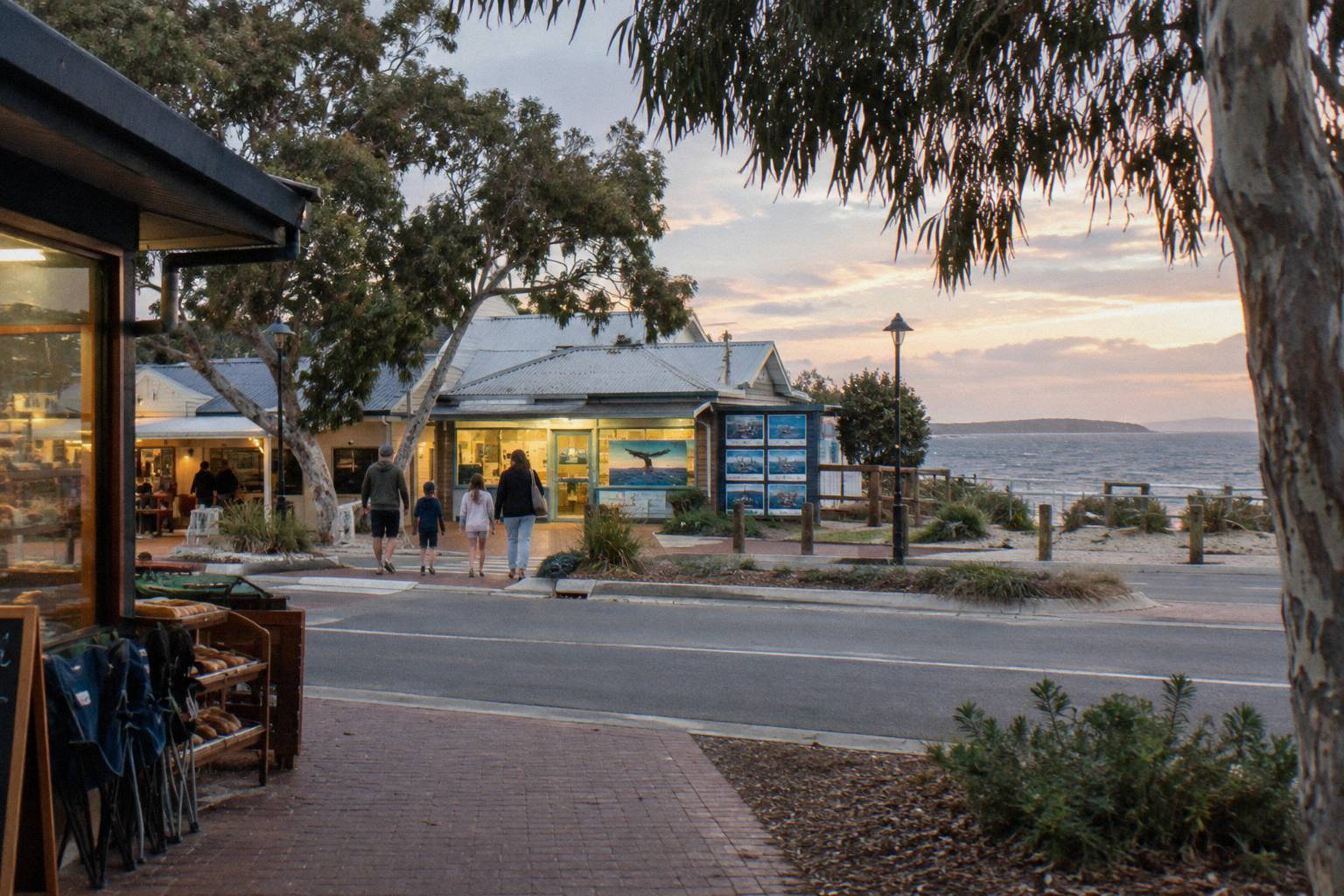
Naturaliste Charters states its Dunsborough trip is open to all ages, with infants carried free direct-booking pricing aside, but boarding is from the beach: guests walk a handrailed ramp onto the transfer vessel Indi Maree, then move to the Alison Maree, and the operator says guests with limited mobility may need further assistance. The booking page states the tour is not suitable for mobility impairments. All Sea Charters describes its passengers as "whole family" and "all ages".
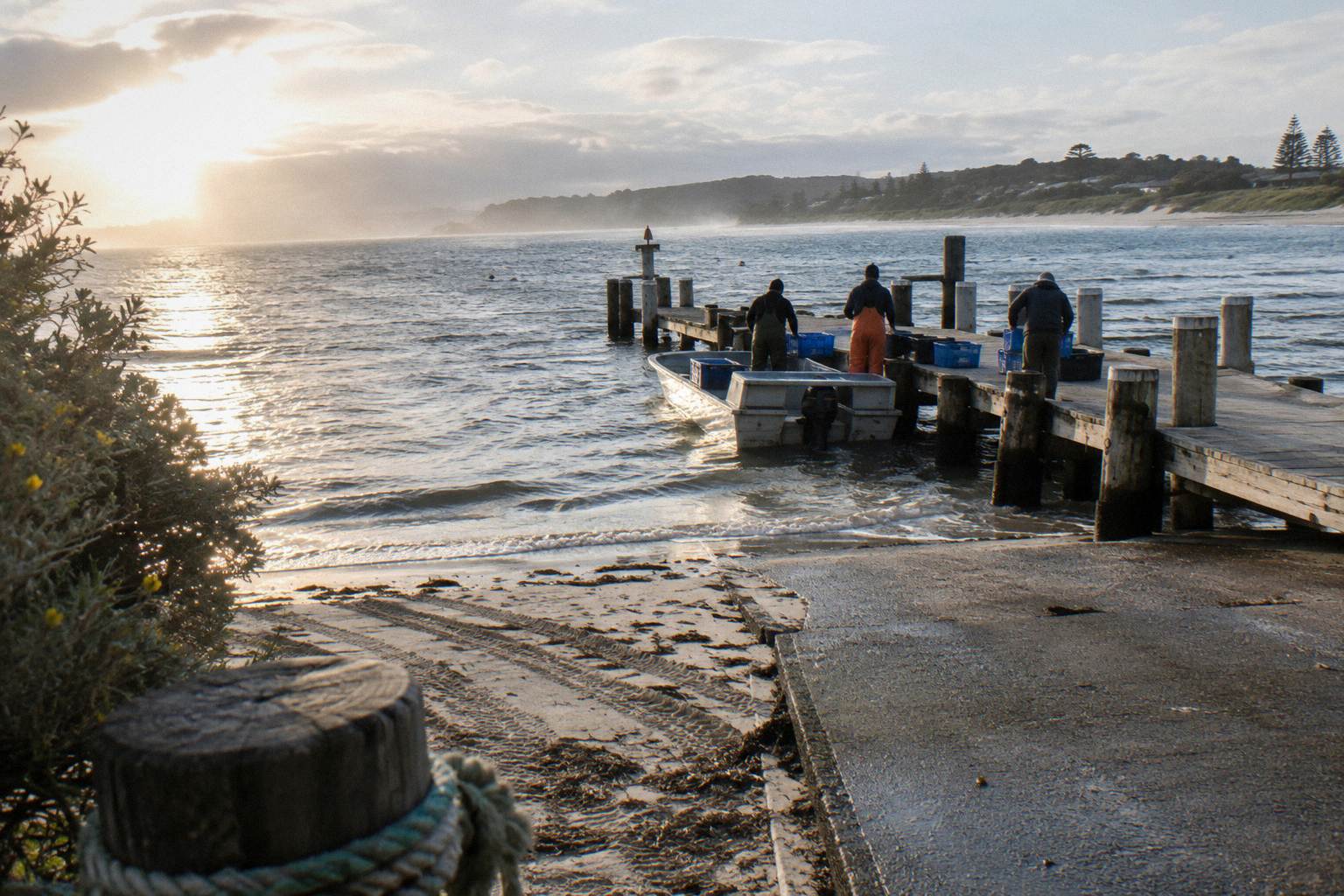
The beach-boarding detail is the one families most often wish they had known in advance. This is not a marina pontoon with a gangway level to the deck. At the Professional Fisherman's Boat Ramp opposite 306 Geographe Bay Road, Quindalup, roughly 5 km east of Dunsborough town, guests walk down a handrailed ramp onto the water, transfer to the smaller Indi Maree, and then step across to the 23-metre Alison Maree once alongside. For most people this is a two-minute adventure that children remember as warmly as the whales. For anyone unsteady on their feet, it is the hardest part of the day, and the operator and the booking page both flag it.
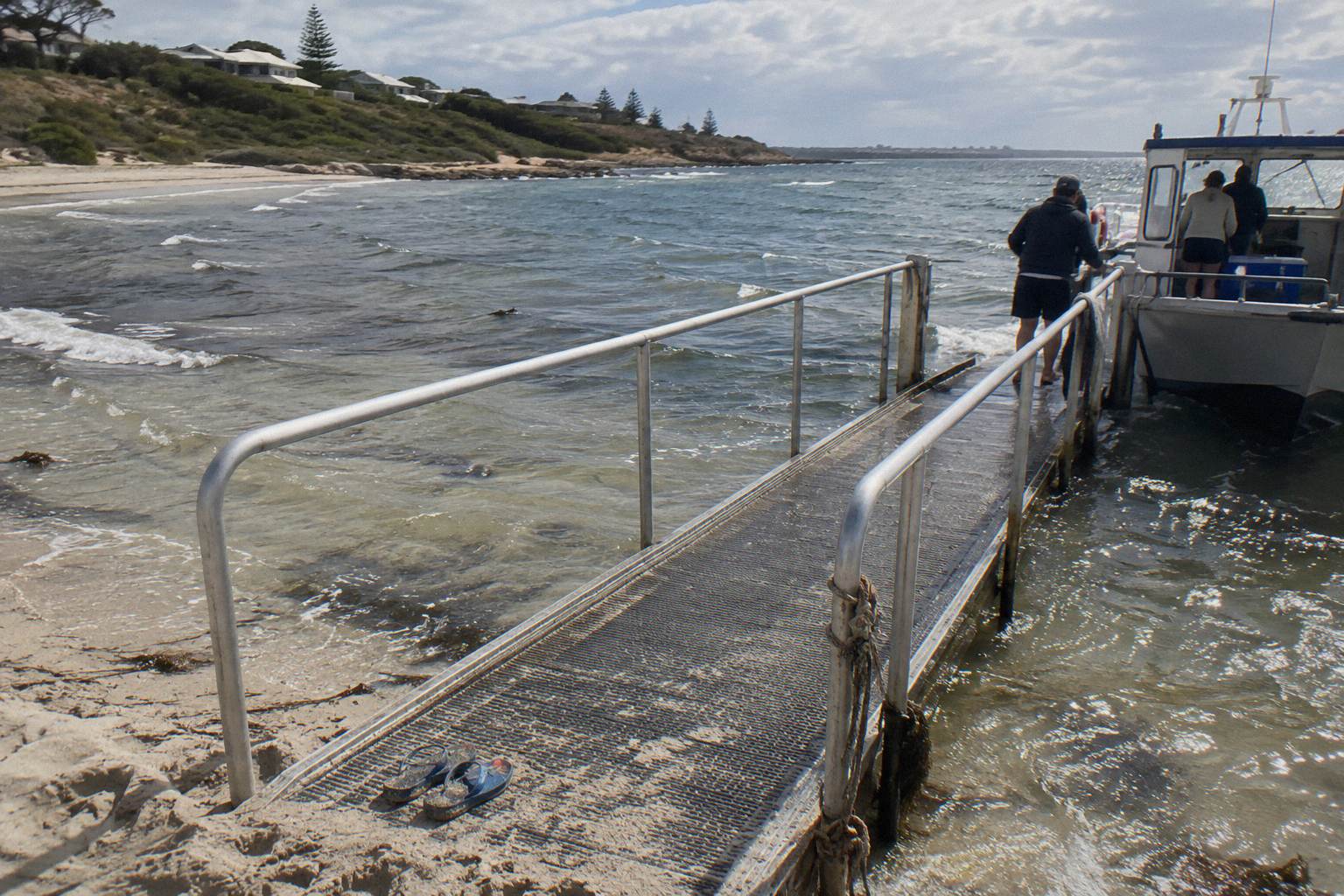
Arriving early is the quiet safety tip buried in the logistics. The operator asks guests to arrive 15 to 30 minutes before departure, and the daily departures run at 10am and 2pm. That buffer is not padding; it is what lets a family board unhurried, lets crew assist the unsteady, and lets a nervous child watch one boarding before doing their own. Rushing a beach transfer is how slips happen, and the timetable gives everyone room not to rush.
Practical questions for families with small children are covered in detail in taking a whale cruise with kids from Dunsborough, and the pregnancy question in whale cruising during pregnancy. Neither operator publishes a minimum age for the Dunsborough trip, and the "all ages" wording means the decision sits with parents, sensibly informed about the boarding style, the bay conditions and their own children.
What Should You Ask The Operator Before Booking?
Before you pay, ask three questions: what safety equipment and certifications the vessel and crew hold, what happens if weather cancels your date, and what assistance exists for the least mobile member of your group. Naturaliste Charters' published pages cover the second and third, offering transfer or refund if the operator cancels and honesty about mobility limits, but no operator here publishes crew qualifications or vessel survey details, so the first question must be asked directly, by phone or message.
This is the checklist version of the whole article. A safety-conscious booker has every right to ask, and a good operator answers plainly, in writing, without taking offence.
| Question to ask | Why it matters | What the published pages already say |
|---|---|---|
| What safety equipment is carried, and for how many passengers? | Confirms capacity matches the manifest | Naturaliste states life jackets for all; All Sea Charters does not list them |
| What are the crew's qualifications and the vessel's survey status? | Neither operator publishes this | Nothing stated: ask directly |
| What happens if you cancel for weather? | Separates refund from rebooking | Naturaliste direct terms: transfer or refund of the tour fare |
| How does boarding work, exactly? | Beach boarding is harder than a marina gangway | Handrailed ramp, transfer vessel, then the catamaran |
| Is there sheltered seating? | Matters for seasick or cold passengers | Whale Song has a climate-controlled cabin; the Alison Maree has indoor space |
| Can I cancel if the forecast turns? | Removes the gamble from booking | Free cancellation up to 24 hours on every booking page |
Notice how much of the table is already answered. The questions that remain open, crew credentials and survey status above all, are precisely the ones a phone call settles in two minutes, and an operator's willingness to answer them is itself information. Dunsborough Whale Watching treats that responsiveness as part of what a reader is buying, alongside the AUD 71 booking-page fare of the Naturaliste trip and the on-the-listing price of its competitor.
The Augusta option deserves one paragraph here, because some readers weigh it as a quieter alternative. The Augusta Whale Watching Tour With Naturaliste Charters departs Augusta Boat Harbour, is listed at 2 hours, is rated 3.9 across 14 reviews, a small pool, and shows AUD 71 per person on the booking page. Augusta's season runs May to mid-August, so it is a shoulder-season choice rather than a spring one, and the two harbours are about 90 km and roughly an hour and a quarter apart by road.
Where Does The Law Stand On Swimming With Whales?
Swimming with whales is not offered in Geographe Bay and is illegal here: DBCA states that "under State legislation, it is illegal for individuals to swim within 100m of a whale", and licensed in-water humpback interactions are limited to Ningaloo Marine Park State waters and the Muiron Islands Marine Management Area. Regulation 112 carves out licensed activity from the distance rules, which is how the Ningaloo program exists, but no such licence covers anything sold from Dunsborough.
This section exists because "whale swim" searches lead people to WA, and some of what they find, Ningaloo tours, licensed operators, in-water photography, can create a false impression that the same product exists down south. It does not. The distinction is legal, not commercial: a licensed operator under regulation 112 may do what an unlicensed person may not, and the licences for in-water humpback interaction cover two named marine areas more than a thousand kilometres north of Geographe Bay. Any product sold from Dunsborough that appeared to include entering the water with whales would fall outside every rule described in this article, and no such product appears on any booking page this site covers.
The safety logic of the 100-metre swimmer rule is not that humpbacks attack people. It is scale and surprise: a tail the width of a small boat moves through water without checking for swimmers, and a mother with a calf treats anything close as a threat. Watching from a vessel that lawfully holds its distance, with a skipper obliged to cut the engine if a whale closes in, is the arrangement the regulations were written to produce, and it is the arrangement every cruise in this bay sells.
Common Questions About Whale Cruise Safety
Is A Whale Cruise Safe For Passengers?
On the available evidence, yes, as a supervised boat trip in a sheltered bay under strict approach-distance law. Operators state life jackets for all, toilets on board and weather-cancellation refunds on direct terms, and every booking page shows free cancellation up to 24 hours. No operator publishes incident statistics or crew qualifications, so ask those questions directly before booking.
How Close Can The Boat Legally Get To A Whale?
Western Australian law requires a vessel to stay at least 100 metres to the side of a whale and 300 metres in the 60 degree arc in front of or behind it. If a whale approaches closer, the person in charge must put the vessel in neutral or withdraw at no more than 6 knots until the distance is restored.
What Happens If The Weather Turns Bad On The Day?
Naturaliste Charters' direct-booking terms offer a transfer or a refund of the tour fare if the operator cancels for weather or sea conditions. Booking-page purchases carry free cancellation up to 24 hours before departure, so a worsening forecast two days out costs nothing to act on.
Is Seasickness Dangerous, Or Just Unpleasant?
On a two-to-three-hour bay cruise it is unpleasant rather than dangerous for most people, but it is the experience most likely to spoil the day. Both operators publish or provide help: precaution advice from Naturaliste Charters, anti-nausea wristbands on board Whale Song with All Sea Charters. Medication suitability is a question for a pharmacist or doctor.
Can Children And Elderly Passengers Board Safely?
Naturaliste Charters describes its trip as open to all ages, but boarding is from the beach via a handrailed ramp and a transfer vessel, and the booking page says the tour is not suitable for mobility impairments. Arriving 15 to 30 minutes early, as the operator asks, makes the boarding unhurried for everyone.
Can You Swim With Whales At Dunsborough?
No. DBCA states it is illegal for individuals to swim within 100 metres of a whale, and licensed in-water humpback interactions exist only in Ningaloo Marine Park State waters and the Muiron Islands Marine Management Area. No tour from Dunsborough offers or implies a swim.