Are Humpback Calves Seen In Geographe Bay In November?
Mothers and calves rest in Geographe Bay on the southern migration, and the Dunsborough cruise season runs into late November. Here is what is actually stated, and how to plan a calf-focused trip.
Yes, in the way the operators describe it: humpback mothers and calves rest in Geographe Bay on the southward return migration, and the Dunsborough cruise season runs about August to the end of November, which keeps November trips inside the window. No operator publishes a calf count, a sighting frequency or a promise, so November is best understood as a month where calves are possible rather than guaranteed.
That single sentence carries everything the verified sources actually state on this question, and it is worth unpacking carefully, because the internet is full of confident November claims that no operator or regulator prints. Naturaliste Charters, the operator behind the featured Dunsborough cruise, describes its season as August to November, with the FAQ narrowing that to mid-August to the end of November. All Sea Charters, the second operator running Dunsborough departures, says mid August to early December, while the same page describes September to early November as the main window. Both place November inside the season, though the two operators close on different dates, which matters if you are booking for the last week of the month.
The calf part of the question is where the sources get quieter, and honest planning means accepting that. Operators describe humpback and southern right whales in the bay from mid-August or September to November, with mothers and calves resting in the bay on the southward return. The Department of Biodiversity, Conservation and Attractions notes that humpbacks begin their southern migration through these waters. Those are descriptions of a pattern, not a promise about any given day. A cruise in November is a cruise inside the resting window; it is not a calf voucher. If a website tells you November calf sightings are common, or gives you a percentage, ask which operator printed that figure, because neither Dunsborough operator does.
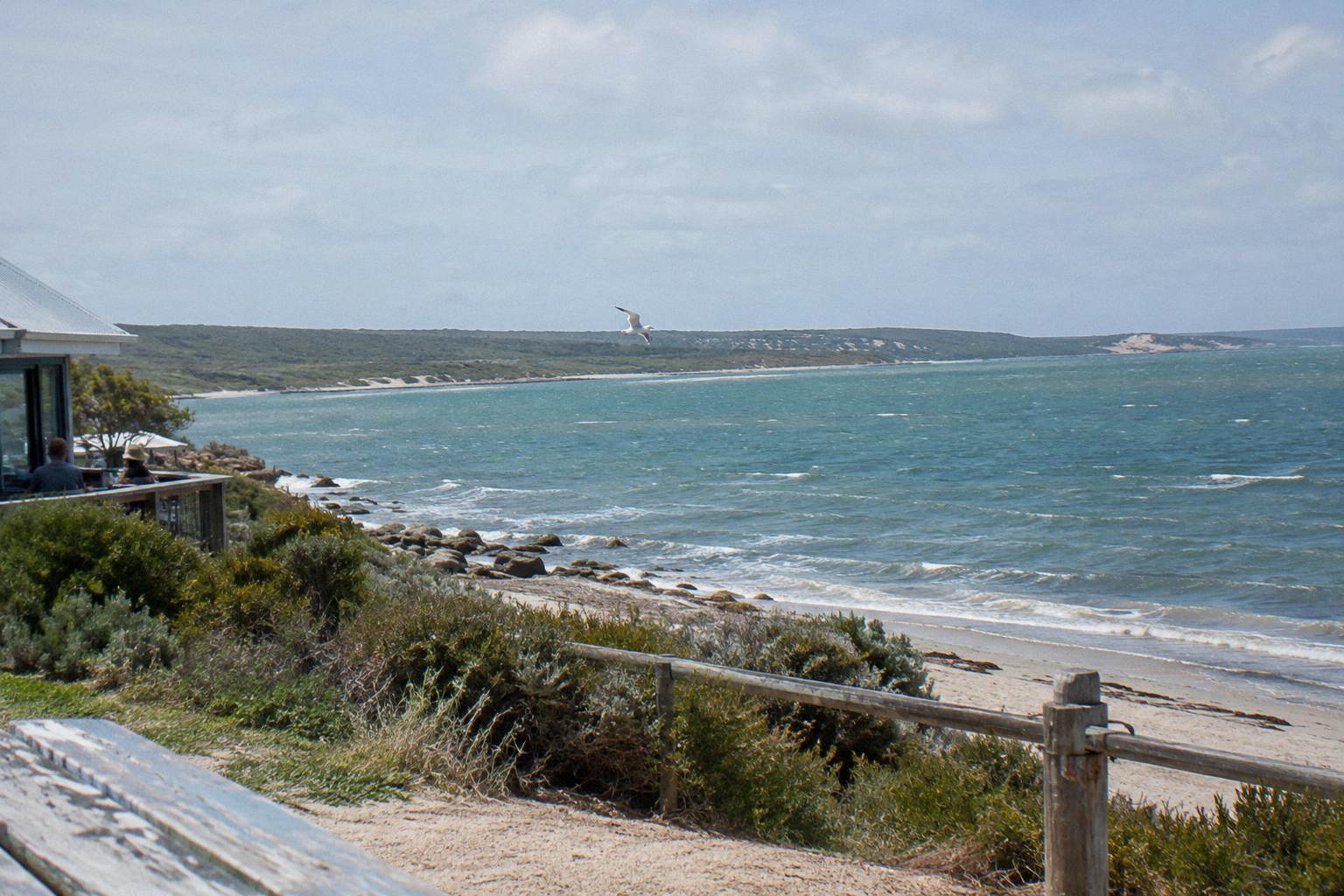
For planning purposes, treat November as the closing month of the Geographe Bay season rather than its centre. The humpbacks moving through are heading south with calves born earlier in the year further north, and the sheltered shape of the bay is what makes it a resting stop rather than a highway. That framing, late winter to early summer with a spring peak, is the safe mental model, and it is the one every source on this page supports. The rest of this article works through what each operator states, which other species share the bay in November, what the law says about how close boats may come to a mother and calf, and how to choose a date inside the month.
If your whole trip is built around the calf window, start with the two Dunsborough cruise options above and read their booking pages against the season dates in the next section. The featured tour, the Dunsborough Whale Watching Tour With Naturaliste Charters, is rated 4.7 across 137 reviews and the booking page shows AUD 71 per person, a figure that can change. It is listed at 2.5 hours with free cancellation up to 24 hours on the booking page. The All Sea Charters cruise is rated 4.8 across 438 reviews, runs a listed 2 to 2.5 hours with the same 24-hour free cancellation window, and its price is shown on the booking page rather than printed here.
When Do Mothers And Calves Actually Rest In The Bay?
The resting window is the southbound leg of the migration, roughly mid-August or September through November, when mothers and calves pause in the sheltered bay before continuing south. Naturaliste runs to the end of November; All Sea Charters says early December. Neither operator dates the calf presence separately from the season, so there is no stated peak calf week to aim for.
The mechanics are simple and worth understanding before you pick a date. Humpbacks pass the Western Australian coast twice a year, northbound and southbound, and it is the southbound leg that carries calves. Geographe Bay's sheltered waters make it a stopping point where a mother can rest with a calf rather than fight the open ocean, and that is exactly how the operators describe it: mothers and calves resting in the bay on the southern return. The DBCA's own whale watching advice notes that humpbacks begin their southern migration through Western Australian waters in spring, which lines up with the operator descriptions.
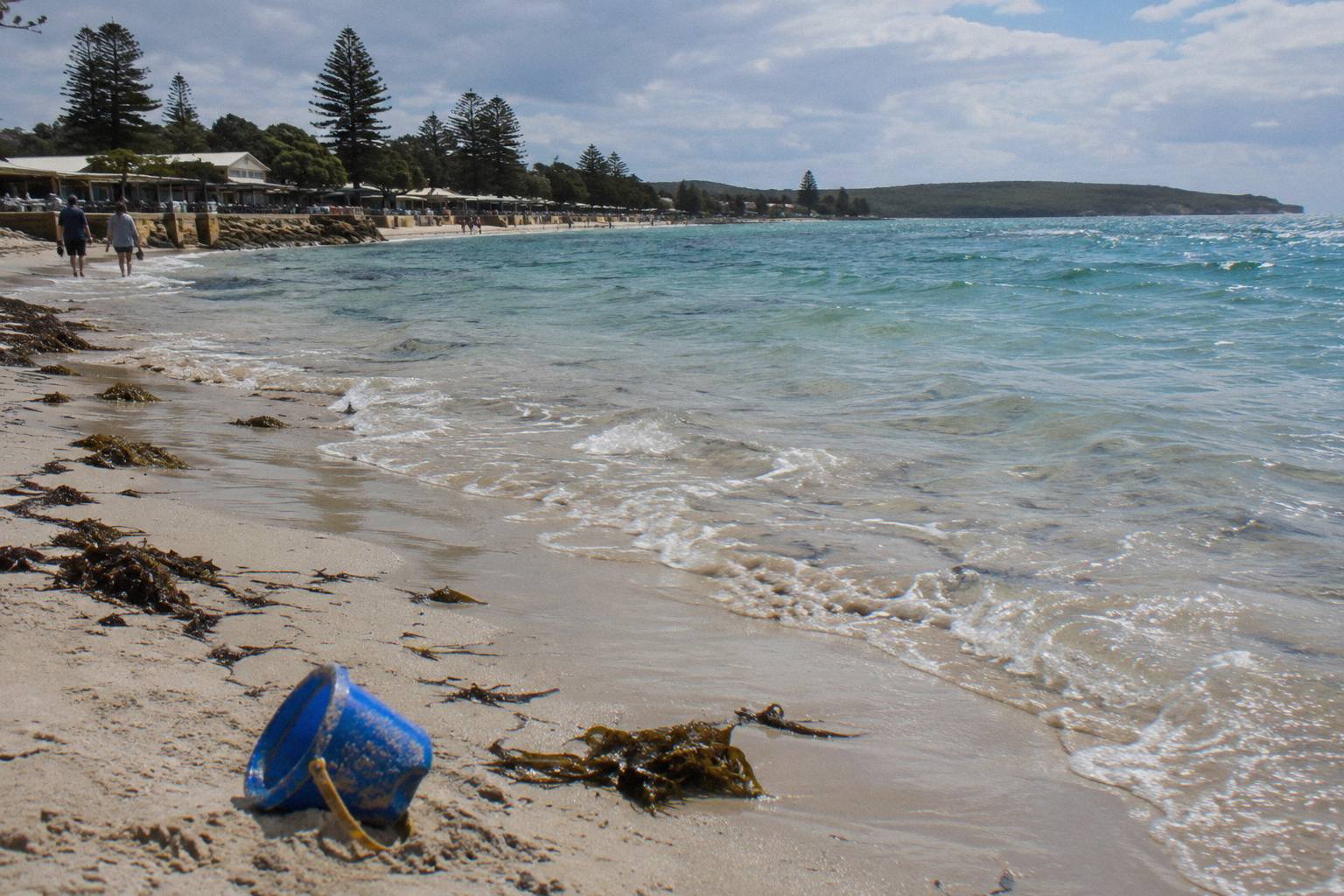
What the sources do not give you is a calf calendar. There is no stated week when calves are most likely, no count of mothers with calves in the bay, and no operator claim that November outperforms October for calf encounters. When a booking page says a cruise runs in November, it is telling you the boat goes out; it is not telling you what you will meet. A good way to hold this in your head: the season is a fact, the calf sighting is a possibility inside it. Anything more precise than that is not in the verified record for this coast.
The month-by-month shape below gathers only what the operators and the marine habitat sources state. Read it as a planning frame, not a forecast.
| Month | What is stated about Geographe Bay |
|---|---|
| August | Season opens; Naturaliste says mid-August, All Sea Charters mid August; humpbacks and southern right whales described in the bay from mid-August |
| September | Both operators describe whales in the bay; All Sea Charters calls September to early November the main window |
| October | Blue whales described from October onwards by Naturaliste; minkes October and November as chance encounters |
| November | Final month for Naturaliste, to the end of November; All Sea Charters continues to early December; mothers and calves described resting on the southward return |
| December | All Sea Charters states early December only; Naturaliste's Dunsborough season has closed |
One more nuance: Augusta is the earlier-season counterpart. Southern right and humpback whales are described in Augusta and Flinders Bay from May to August, which is when the southern rights breed and nurse in those sheltered south coast waters. If calf sightseeing matters more than the calendar month, the Augusta window in winter and the Dunsborough window in spring are two halves of the same story, and Dunsborough or Augusta for a whale cruise works through that trade-off.
What The Two Dunsborough Operators State About November
Naturaliste Charters runs daily 10am and 2pm departures from mid-August to the end of November aboard the 23 m catamaran Alison Maree. All Sea Charters runs daily Dunsborough trips from mid August to early December aboard the 17 m catamaran Whale Song. Both place November inside their seasons; only All Sea Charters keeps going into December.
The difference in closing dates is the most practical fact on this page for a November traveller. If you are booking the last days of November, one operator is still selling its normal daily schedule and the other has closed or is closing its Dunsborough season, so availability narrows sharply. Booking early in the month keeps both options open, and gives you a fallback if weather moves your first choice. Every cruise here lists free cancellation up to 24 hours on its booking page, which is worth having in a month where sea conditions can turn.
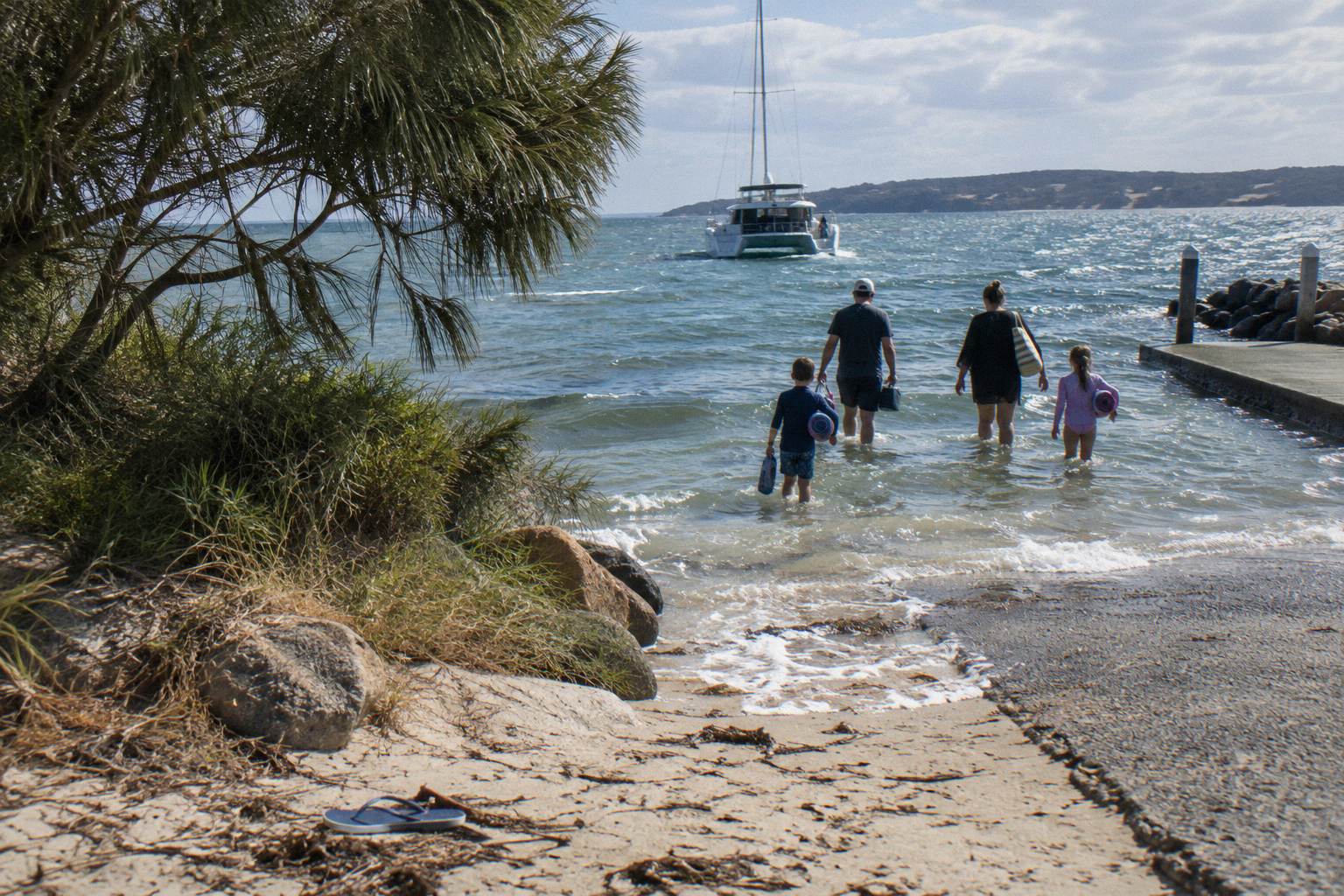
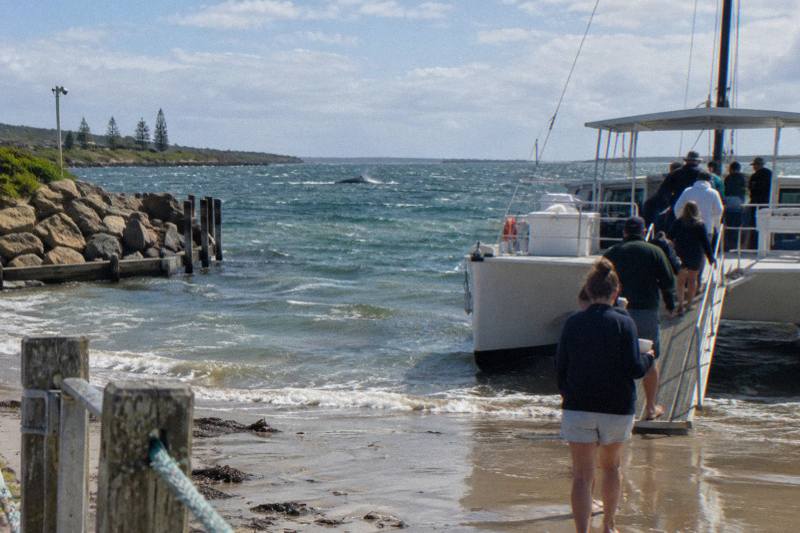
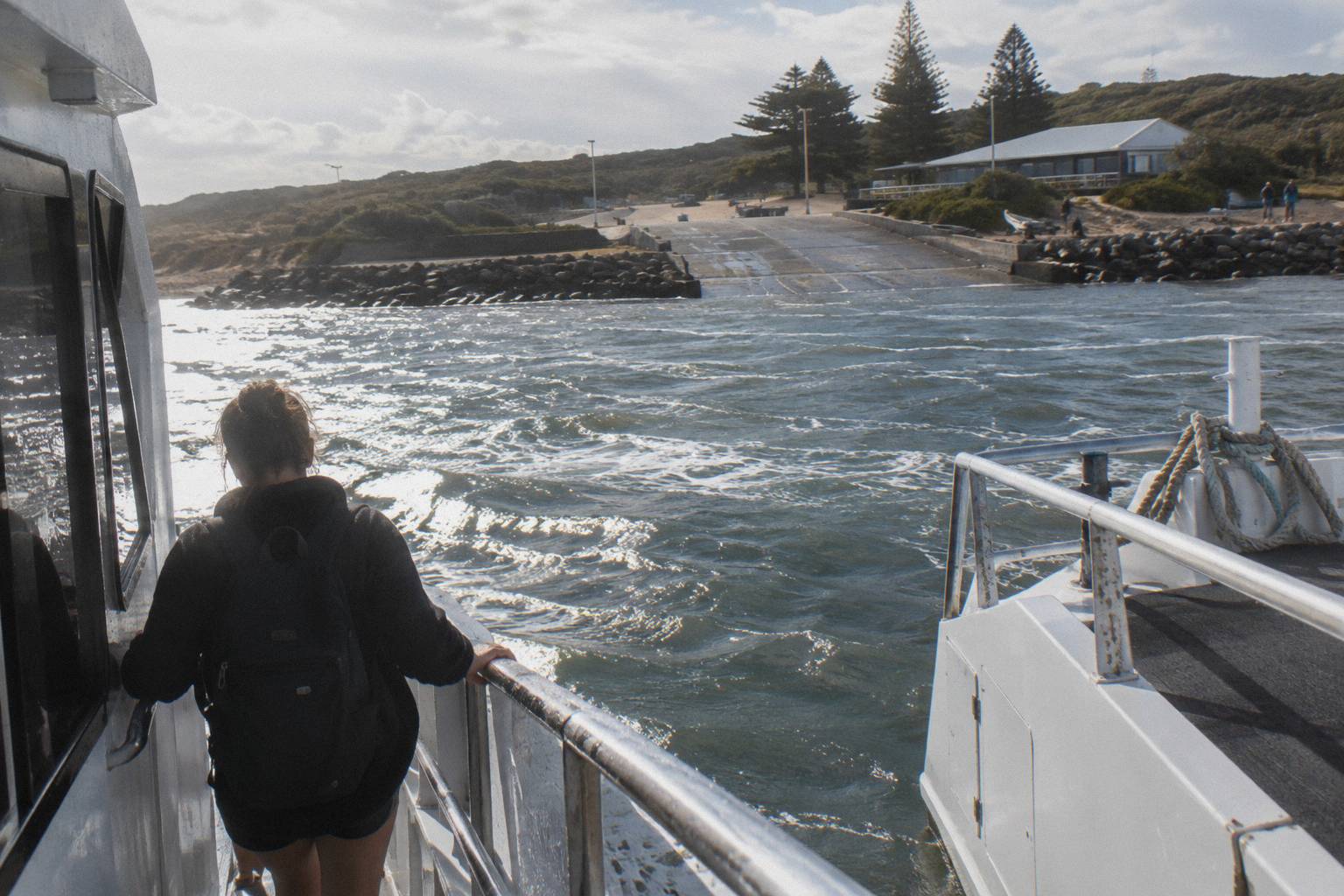
The two trips also differ in texture. The Naturaliste trip, the featured Dunsborough Whale Watching Tour, is listed at 2.5 hours, departs the Professional Fisherman's Boat Ramp at Quindalup roughly 5 km east of Dunsborough town, and involves beach boarding: guests walk a handrailed ramp onto the Indi Maree, then transfer to the larger Alison Maree on the water. The operator says to allow up to 3 hours depending on wildlife sightings, to arrive 15 to 30 minutes before departure, and provides tea, coffee, milo, filtered water, green tea and biscuits. It states the trip is open to all ages. The booking page shows AUD 71 per person, and that figure can change.
The All Sea Charters cruise is listed at 2 to 2.5 hours, departs from Geographe Bay Road in Dunsborough with the exact ramp and clock times not published on the operator's page, and runs on the Whale Song, a 17 m aluminium catamaran with a climate-controlled cabin, two outside decks and an accessible toilet. Tea and coffee are served onboard, anti-nausea wristbands are available, and the booking page lists hotel pickup and drop-off, though which departure option carries the hotel pickup is not stated, so ask the operator. Ages are described as whole family and all ages. Its price is shown on the booking page.
| Stated fact | Dunsborough Whale Watching Tour With Naturaliste Charters | All Sea Charters Whale Watching From Busselton, Augusta And Dunsborough |
|---|---|---|
| Rating | 4.7 across 137 reviews | 4.8 across 438 reviews |
| Booking page price | AUD 71 per person, can change | Shown on the booking page |
| Listed duration | 2.5 hours | 2 to 2.5 hours |
| Season stated | Mid-August to the end of November | Mid August to early December |
| Vessel | Alison Maree, 23 m catamaran | Whale Song, 17 m catamaran |
| Cancellation | Free up to 24 hours on the booking page | Free up to 24 hours on the booking page |
A note on honesty with these numbers: 137 and 438 reviews are very different pools, and both ratings are printed here exactly as the booking pages show them, never compared or averaged. Our guide on choosing a Dunsborough whale cruise goes deeper on weighing these two operators.
Which Other Whales Share The Bay In November?
November can put three species in the frame besides humpbacks: southern right whales, which breed and nurse in sheltered south coast waters including Geographe Bay; pygmy blue whales, which pass through the bay as a transit corridor mostly from October to December; and minke whales as chance encounters in October and November. All three are described by operators or the marine habitat science, none as a promise.
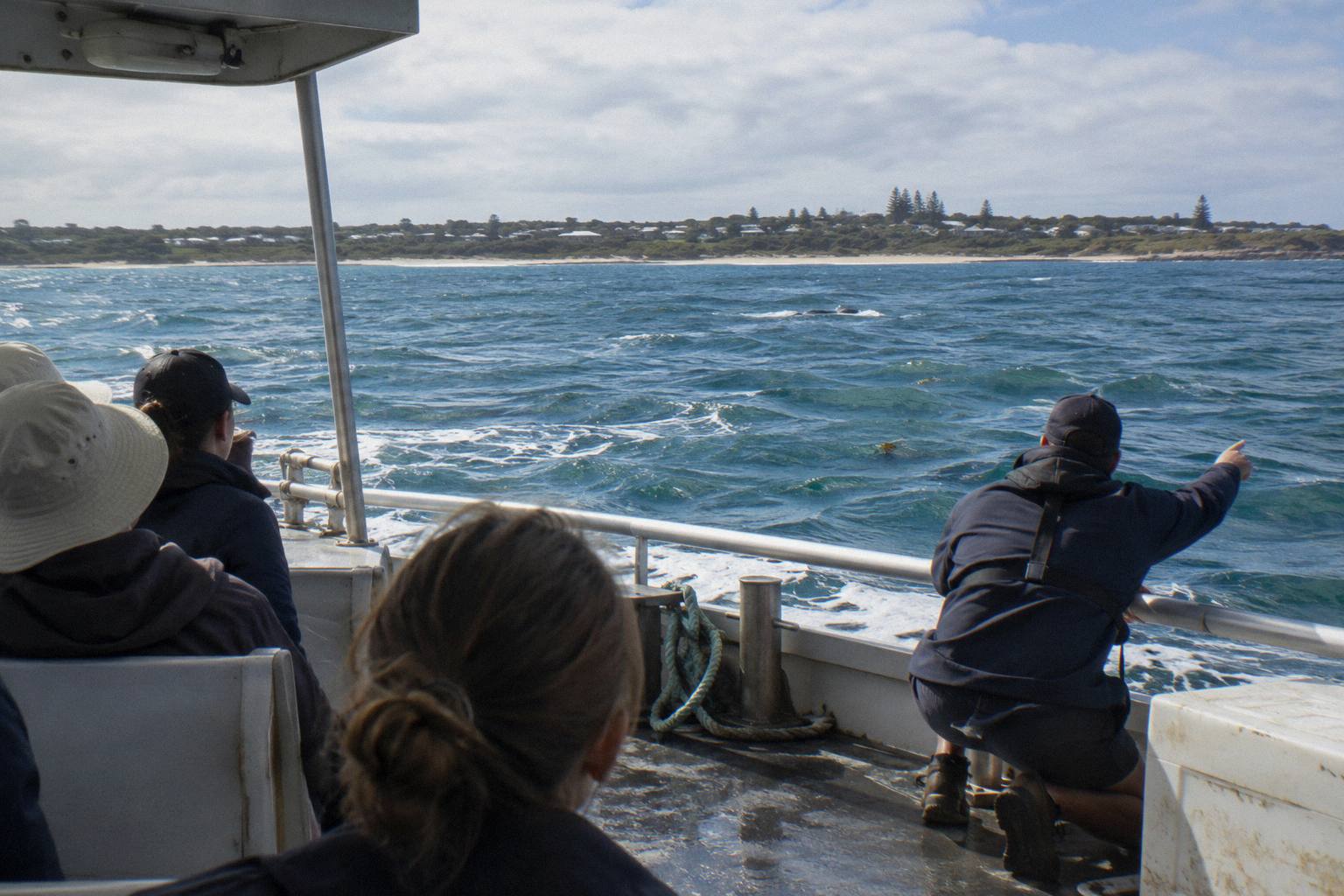
The blue whale detail is the one most first-page Google results miss, and it is genuinely part of a November trip's upside. The International Marine Mammal Habitat factsheet for Geographe Bay and the Eucla Shelf states that large numbers of pygmy blue whales with calves use Geographe Bay and the Naturaliste Plateau as a narrow transit corridor, estimates the eastern Indian Ocean population at 662 to 1,559 animals (McCauley and Jenner 2010), and lists the species as Endangered. A 2014 SouWEST and IFAW research report recorded blue whale song and sightings in the bay during November surveys. Safe wording, attributed generally: blue whales pass through Geographe Bay in spring, mostly from October to December. For more on that, see our piece on blue whales off the Naturaliste canyon.
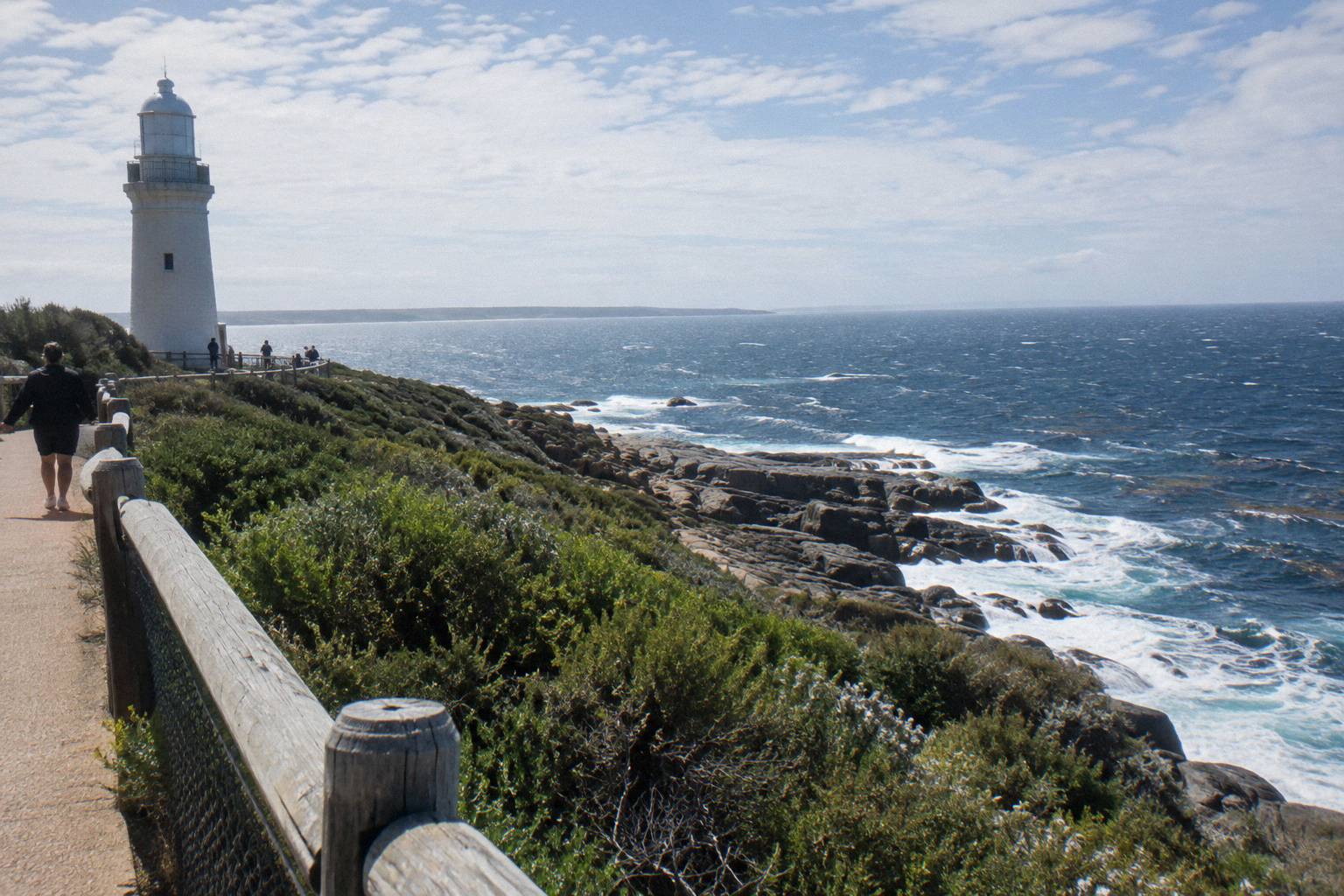
Southern rights are the quieter November presence. The same marine habitat source records that southern right whales breed and nurse in sheltered south coast waters including Geographe Bay, and the operators describe them in the bay across the season. Their strongest showing on this coast is the Augusta window, May to August, which our guide to the Augusta whale season covers in full. Minke whales get a single honest line from Naturaliste: October and November, chance encounters. That is a chance, nothing more, and it should not drive a booking decision on its own.
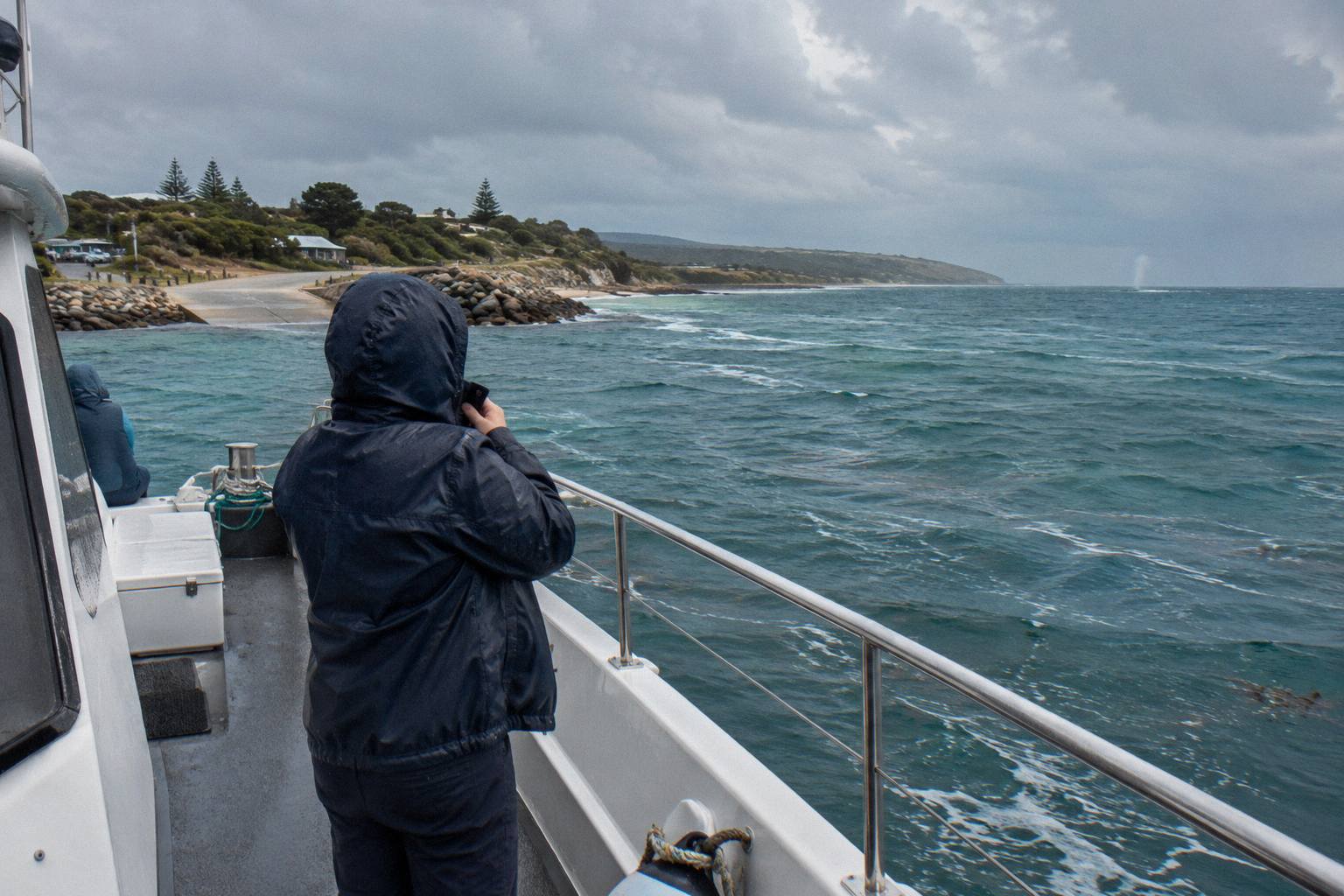
The practical takeaway is that a November cruise is never a single-species bet. The operator's own species list for the Dunsborough trip names humpback, southern right, blue from October, and minke as a chance, with dolphins often at the bow wave. Our guide on telling humpback, southern right and blue whales apart explains how to do it from a deck, which is half the fun of a multi-species day.
How Close Can The Boat Legally Get To A Mother And Calf?
Western Australian law sets the distances, not the operators: a vessel must stay at least 300 m from a whale within a 60 degree arc front or rear, and at least 100 m to the side, under the Biodiversity Conservation Regulations 2018. A person must stay at least 100 m away. Coming closer is an offence carrying a fine of AUD 5,000, and licensed tour vessels operate inside these same rules.
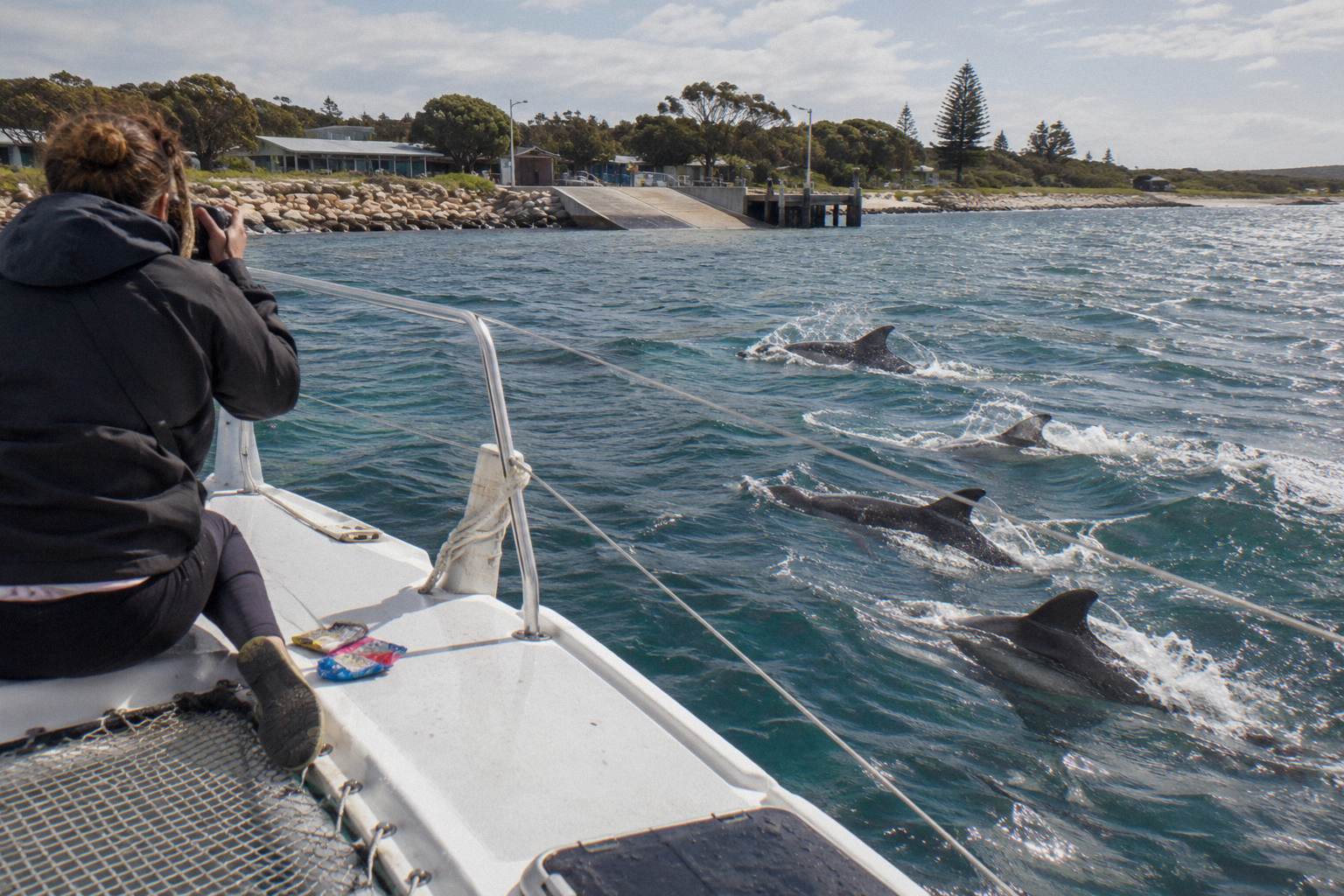
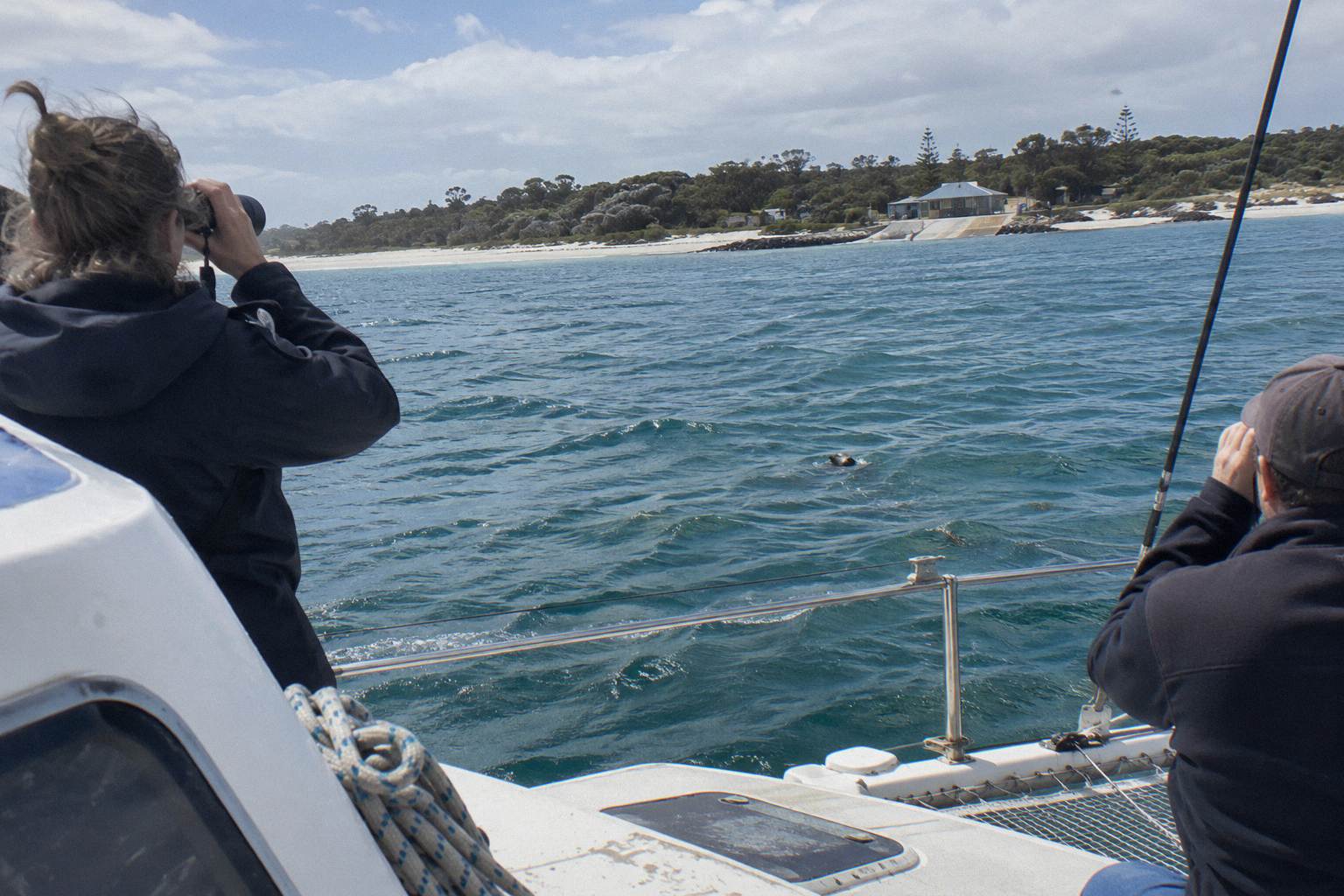
This matters for calf expectations specifically. A mother resting with a calf is the animal most likely to be approached slowly and from the side, and the regulations are written for exactly that situation. If a whale approaches the vessel inside the legal distance, the person in charge must put the vessel in neutral or switch off, or move away at no more than 6 knots until the distance is restored. That rule is why close encounters happen at the whale's discretion, never the boat's: when a calf curiosity event occurs, it is because the whales chose to come over, and the boat's job is to go quiet. The full rules are in the official text of the Biodiversity Conservation Regulations 2018.
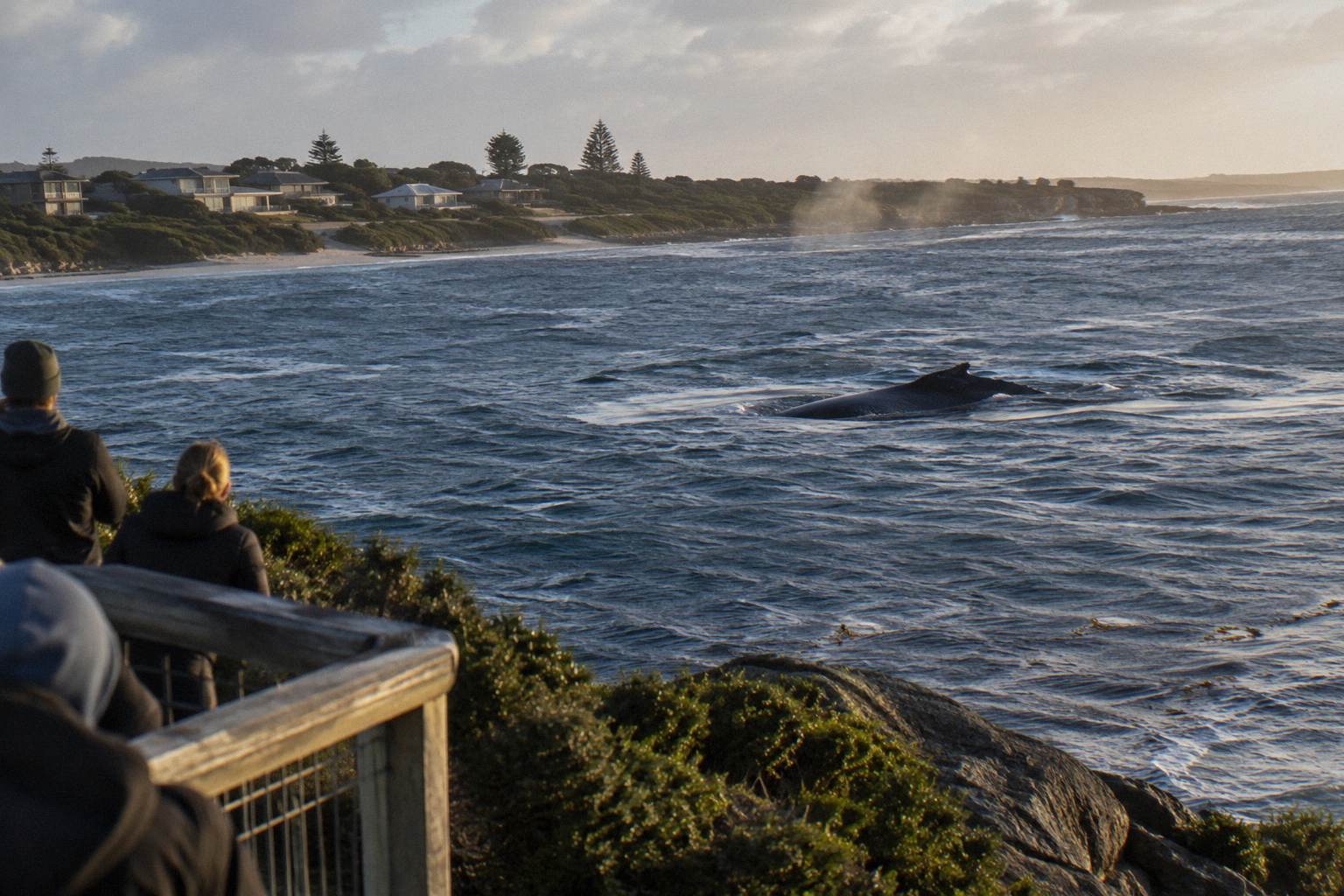
Two more rules shape the experience. Drones must stay at least 60 m from a whale, which matters if you were planning aerial footage of a calf, and DBCA advice adds behavioural rules: approach from the side only and abandon any interaction at the first sign of distress. The Department's marine wildlife pages also state plainly that it is illegal for individuals to swim within 100 m of a whale, and that licensed in-water humpback interactions exist only in Ningaloo Marine Park State waters and the Muiron Islands Marine Management Area. No swim-with-whales product exists in Geographe Bay, and any seller implying one here is selling something the law does not allow.
The operators do not print their own distance figures; Naturaliste says only that its vessels keep a specific distance. So hold the regulation numbers as the real answer to how close boats can legally get. For a calf-seeking traveller the honest summary is this: you will watch from at least 100 m, the whales may close that gap themselves, and both outcomes are normal, lawful November outcomes.
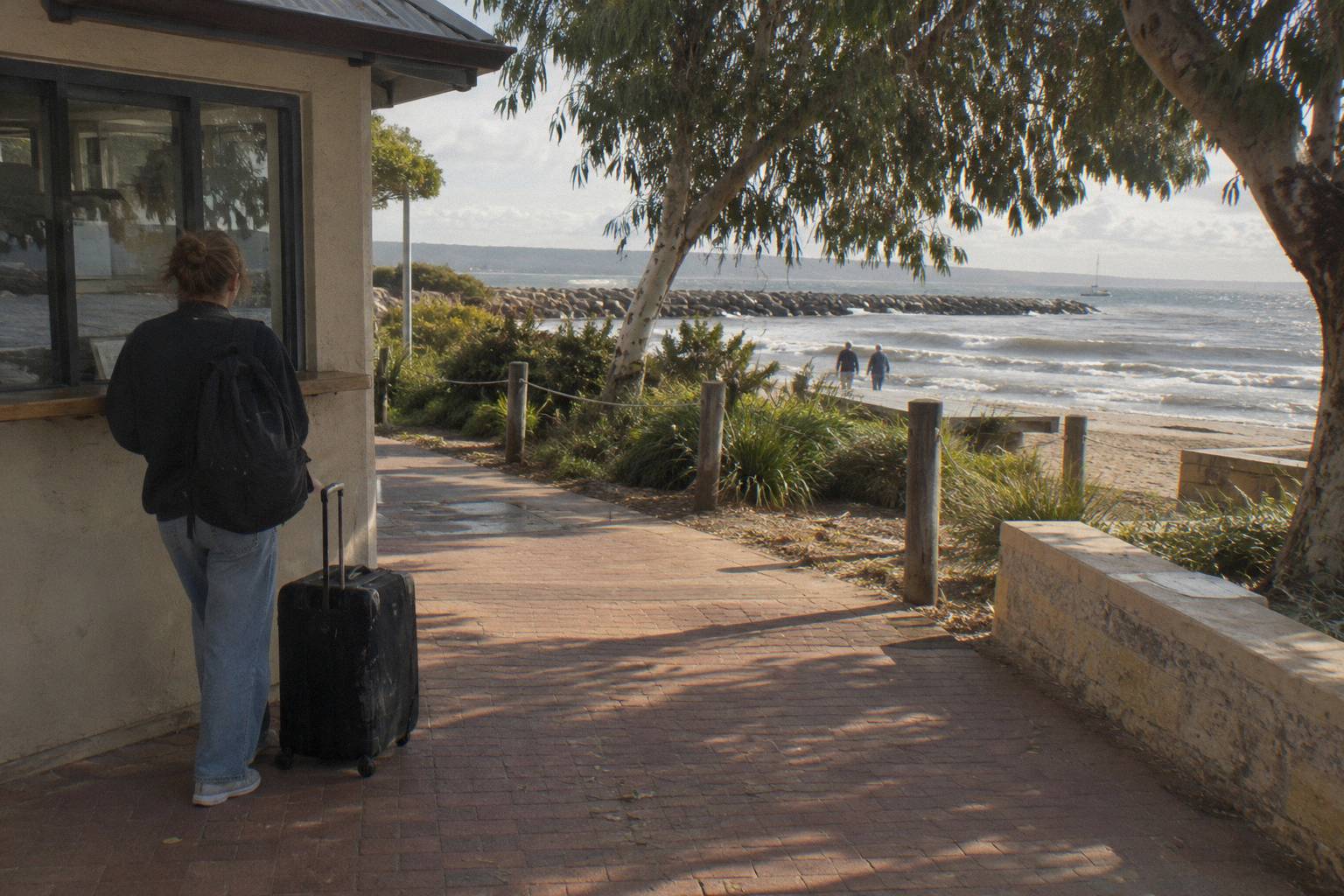
Choosing Your Date: Early, Mid Or Late November?
Book the first half of November for the widest choice: both operators are running, all departure times are available, and every species on the operator lists is in its stated window. Mid-month keeps both options but starts trimming times. The last week belongs to whichever operator is still selling its season, and late-month availability can be thin enough that a date change becomes a refund conversation.
This is decision logic, not new facts, and it follows from the season dates already stated. Early November sits inside All Sea Charters' stated main window of September to early November, inside Naturaliste's mid-August to end-of-November run, and inside the blue whale corridor period of October to December. It is the only part of the month where every stated window overlaps. That does not make early November better for calves, because no such claim exists in the record; it makes it better for choice, which is the thing you can actually control.
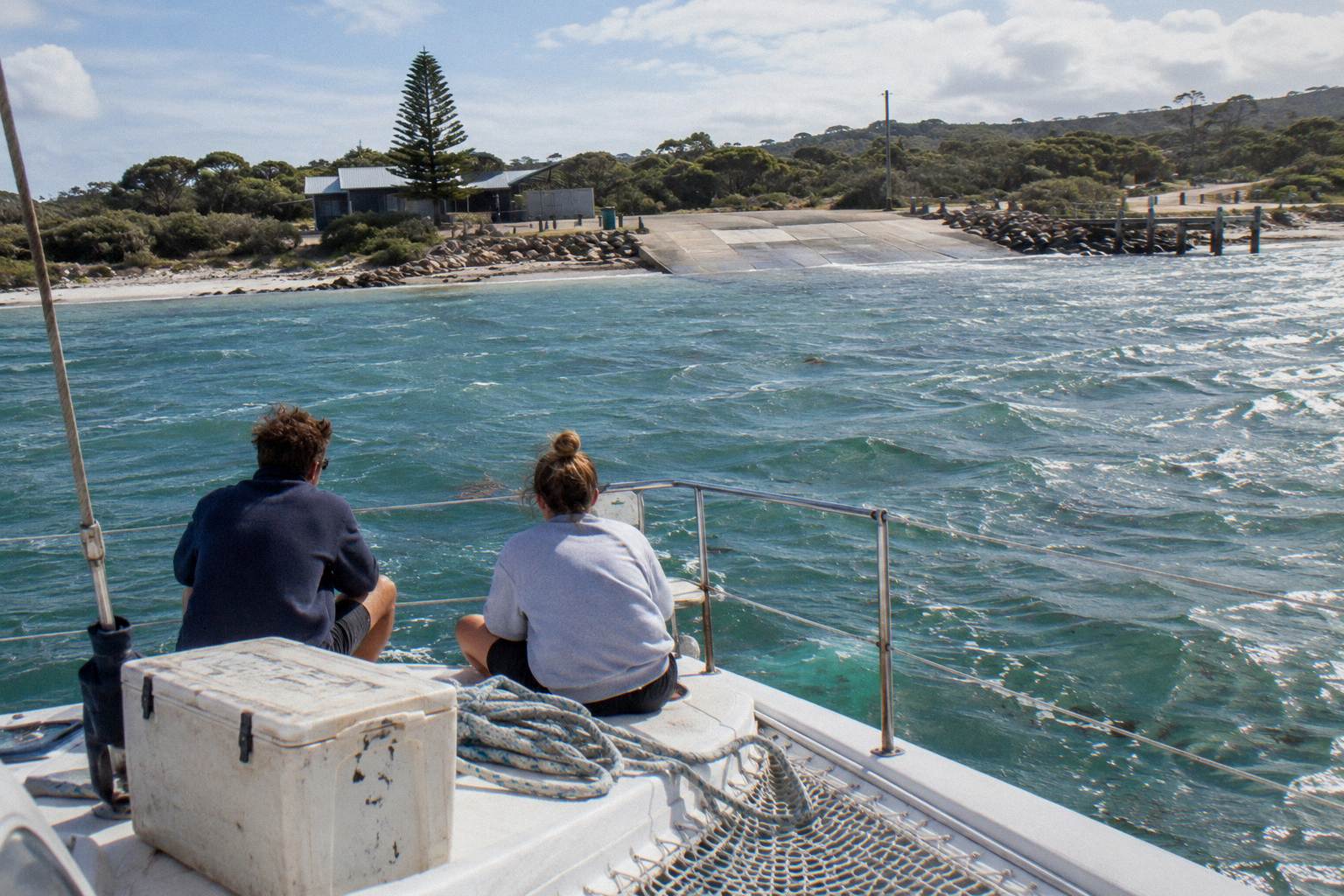
The featured Dunsborough trip above is the natural first check for any date in the month, with its 10am and 2pm daily departures through the end of November and free cancellation up to 24 hours on the booking page. Pair it with the bay's sheltered geography: the cruise boards at Quindalup on the northern shore, and the whole trip happens inside waters the marine habitat science identifies as a resting and transit area. If you want a backup plan in the same week, our guide on what happens on a whale cruise from Dunsborough walks through the boarding and onboard routine so there are no surprises on the day.
Mid-November is a reasonable second choice. You lose the main-window wording from All Sea Charters but keep both fleets sailing, and the sea and air are milder: Bureau of Meteorology averages for Cape Naturaliste put November's mean maximum at 21.6 °C with mean rainfall down to 25.3 mm, the driest and warmest month of the season, against 74.6 mm in September. Sea surface temperatures sit around 19 °C on average. Those are climate averages, not a forecast, but they explain why November feels like the comfortable month on deck.
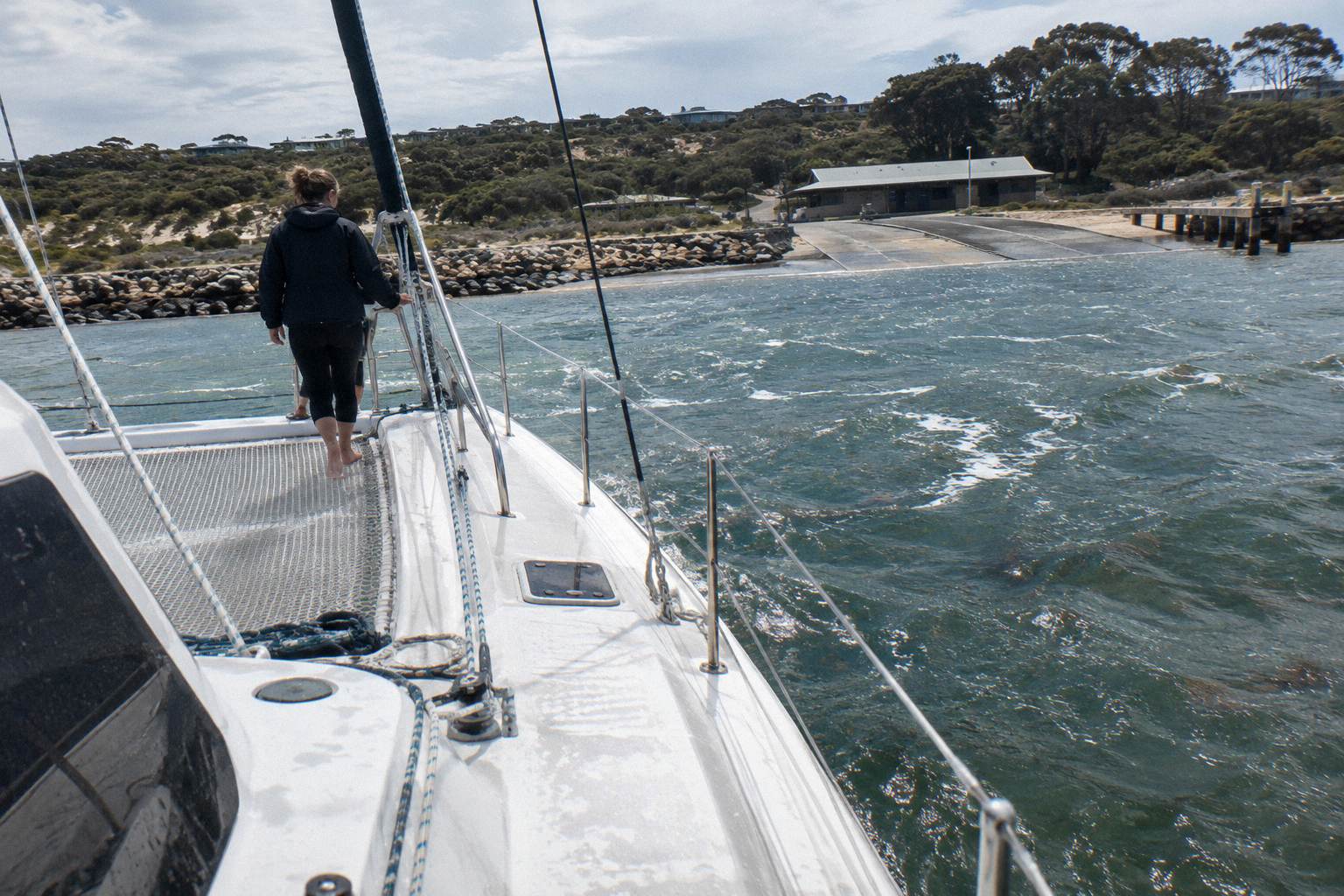
Late November is a different decision. One operator has closed, the other is counting days to early December, and any weather cancellation eats a shrinking number of alternatives. If your dates are locked to the school transition or a fixed trip length, late November can still work; just book the moment dates firm up and treat the 24-hour free cancellation window as your safety net rather than an excuse to wait. For timing within the day, our piece on the best time of day for a Geographe Bay whale cruise looks at the 10am versus 2pm question.
What To Ask The Operator Before You Book
Ask four things in one message: whether your date is inside the operator's stated Dunsborough season, what its no-sighting arrangement is, what the boarding involves for your group, and what happens if weather cancels your sailing. These are booking-stage questions no booking page answers in full for every traveller, and asking them costs nothing.
The checklist below is built only from the gaps this article has already flagged. Each row names the gap and gives you the question to paste into an enquiry. This is how a thin-facts page becomes a confident booking: you are not asking the operator to promise a calf, you are asking it to confirm the operating facts it already knows.
| Gap in the stated record | Question to ask before booking |
|---|---|
| No calf count, frequency or promise exists | What have mother-and-calf sightings been like in the weeks before my date? |
| All Sea Charters' Dunsborough ramp and times are not published | Which exact ramp does the Dunsborough departure use, and what time does check-in open? |
| Hotel pickup option is listed but not mapped to a departure | Does hotel pickup apply to the Dunsborough departure, and from which towns? |
| Naturaliste says mobility-limited guests may need further assistance | What does beach boarding involve for a guest with limited mobility? |
| Cancellation terms differ between operator and booking page | Does the 24-hour free cancellation on the booking page sit alongside or replace the operator's direct terms? |
One question deliberately missing from that table is any form of guarantee. All Sea Charters states on its Dunsborough page that if whales are not seen on your first cruise you can come back for free another time, with the terms not printed on the page, so ask for those terms in writing. Neither operator offers a calf guarantee, because no such product exists here.
If your dates are flexible and the calf experience is the whole point, the Augusta alternative above is worth a look as a winter option: the Augusta Whale Watching Tour With Naturaliste Charters covers the May to mid-August southern right and humpback window from Augusta Boat Harbour, rated 3.9 across 14 reviews, a small pool read plainly, with the booking page showing AUD 71 per person and a listed 2 hours. Winter in Augusta versus spring in Dunsborough is a genuine either-or, and it depends on your travel season more than on any stated difference in calf odds, because no stated difference in calf odds exists.
Common Questions About Humpback Calves In Geographe Bay In November
Are Humpback Calves Seen In Geographe Bay In November?
Yes, in the sense the operators describe: mothers and calves rest in Geographe Bay on the southward return migration, and the Dunsborough cruise season runs about August to the end of November, so November trips sit inside the window. No operator publishes a calf count, frequency or promise.
Is November Too Late In The Season For A Dunsborough Whale Cruise?
No. Naturaliste Charters runs daily 10am and 2pm departures through the end of November, and All Sea Charters continues to early December. November is the closing month, so choice narrows late in the month, but it is a stated part of the season for both operators.
Which Whales Besides Humpbacks Might You See In November?
Southern right whales, which breed and nurse in sheltered south coast waters including Geographe Bay; pygmy blue whales, which pass through mostly from October to December as a transit corridor; and minke whales as chance encounters in October and November, per the operator's species list.
Can The Boat Come Close To A Mother And Calf?
Only at the whales' choice. Under the Biodiversity Conservation Regulations 2018 a vessel must stay at least 300 m from a whale front or rear and 100 m to the side, and if a whale approaches closer the vessel must go to neutral or move away at no more than 6 knots. Closer approach is an offence with a fine of AUD 5,000.
Do Any Dunsborough Tours Guarantee Calf Sightings?
No. No operator on this coast publishes a calf count, frequency or promise. All Sea Charters states that if whales are not seen on your first cruise you can come back for free another time, with terms not printed on its page; ask for them in writing before you book.
Is Early Or Late November Better For A Calf-Focused Trip?
Early November gives the widest choice, with both operators sailing and every stated species window overlapping. Late November keeps whichever operator has not closed, with fewer dates and times. Neither is stated to be better for calves, because no operator makes that claim.
The month-by-month shape of the whole season, including where November sits against the blue whale corridor, is laid out in our Geographe Bay whale season month-by-month guide, and if you are still weighing whether a cruise earns its ticket price, our honest take on whether a whale cruise is worth it works through that question with the same stated facts used here. Dunsborough Whale Watching keeps every one of these pages anchored to what the operators, the regulators and the marine habitat science actually print, so the plan you build from them rests on stated facts rather than borrowed confidence.